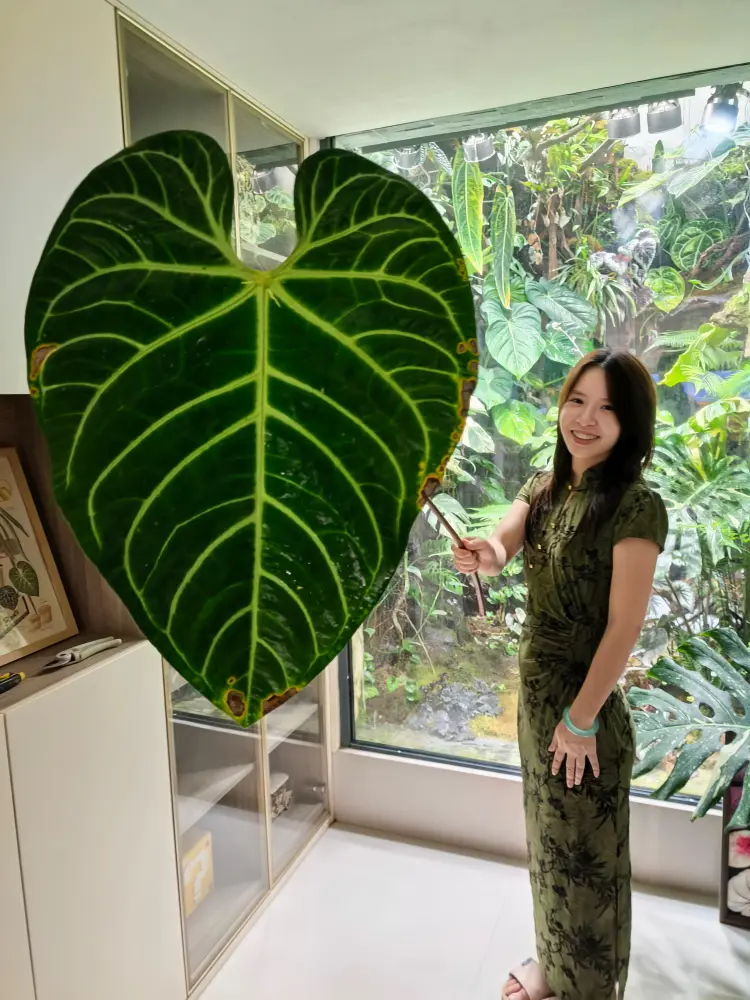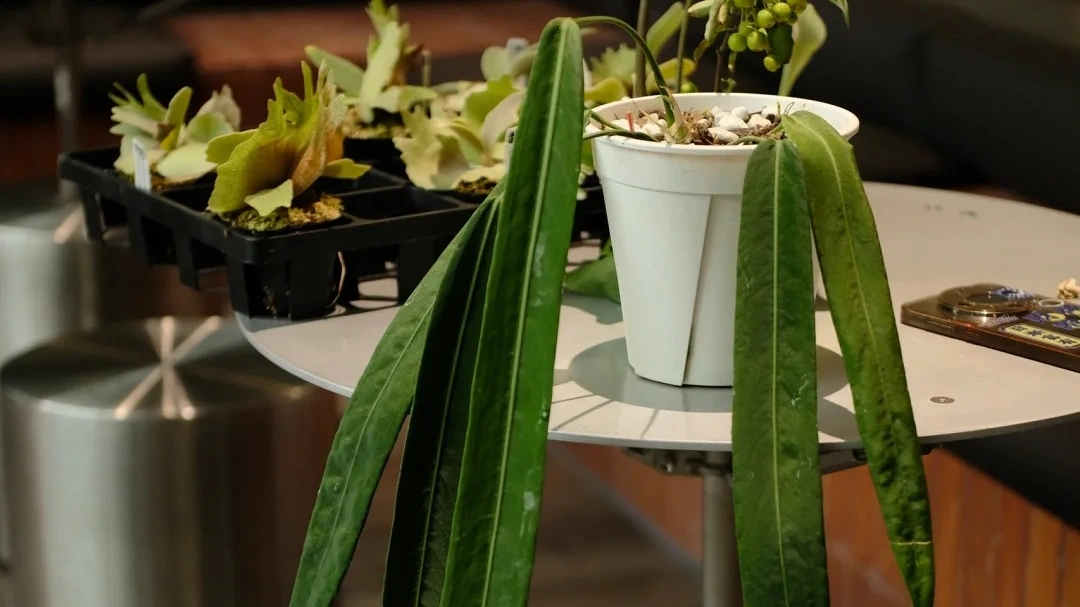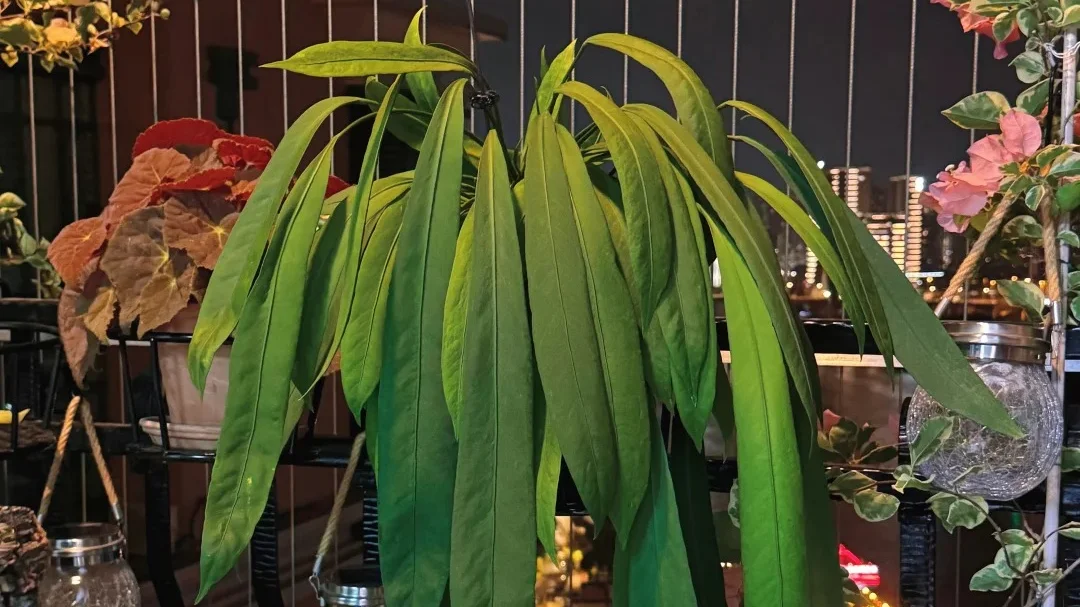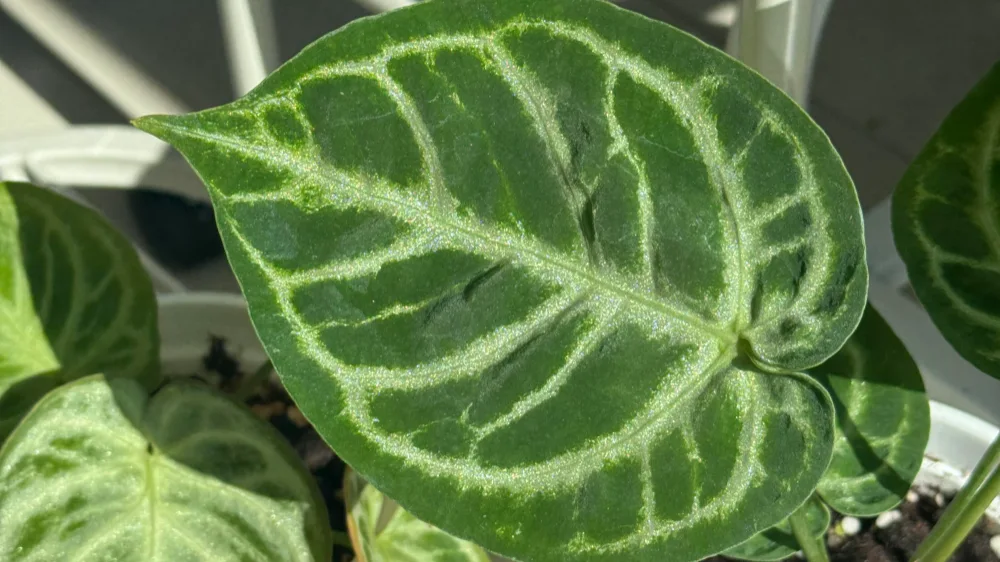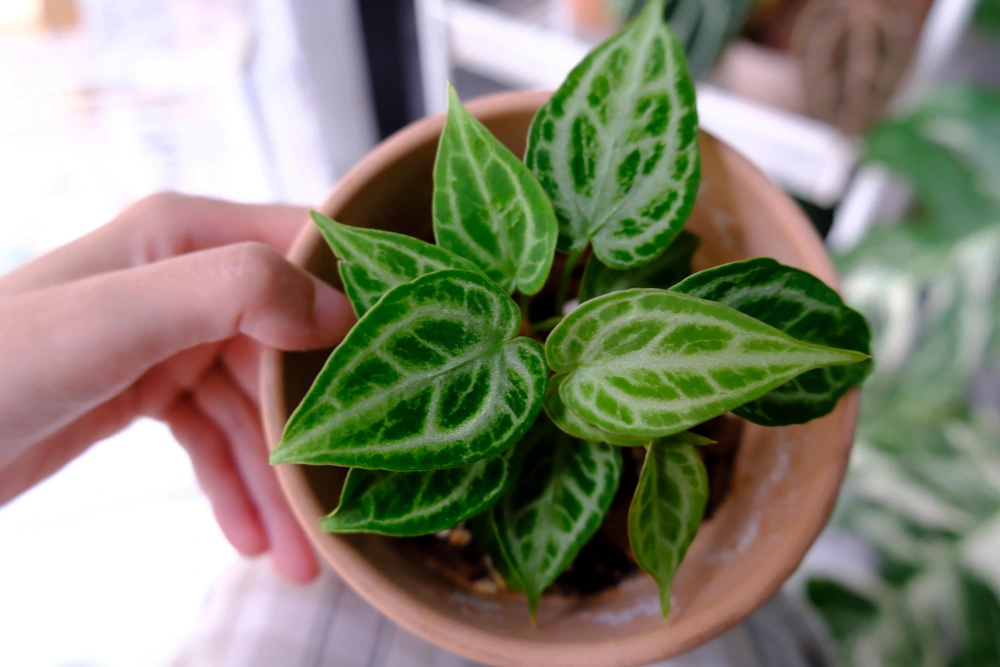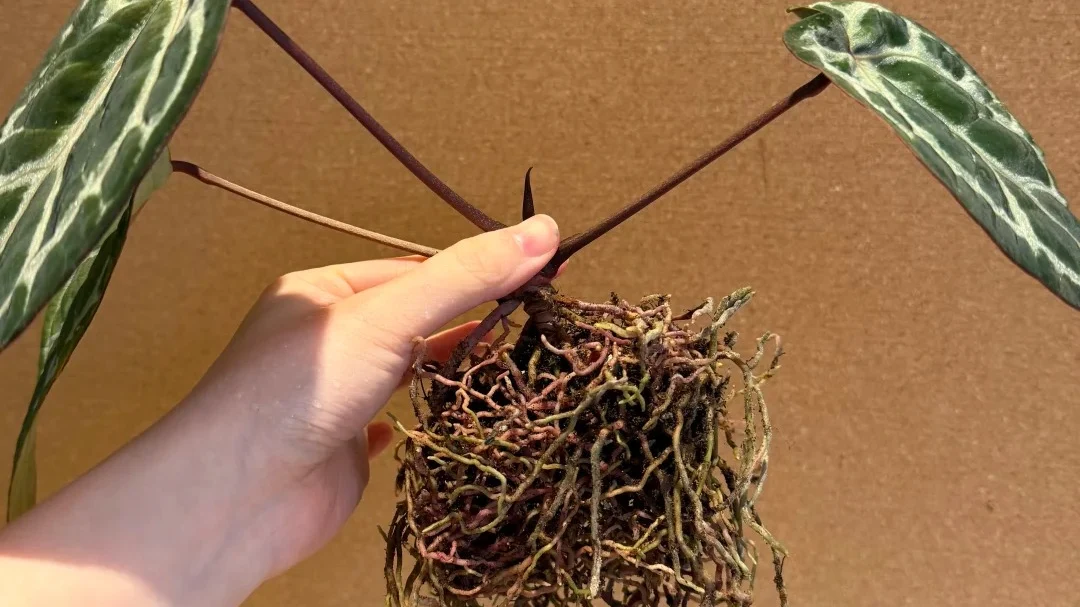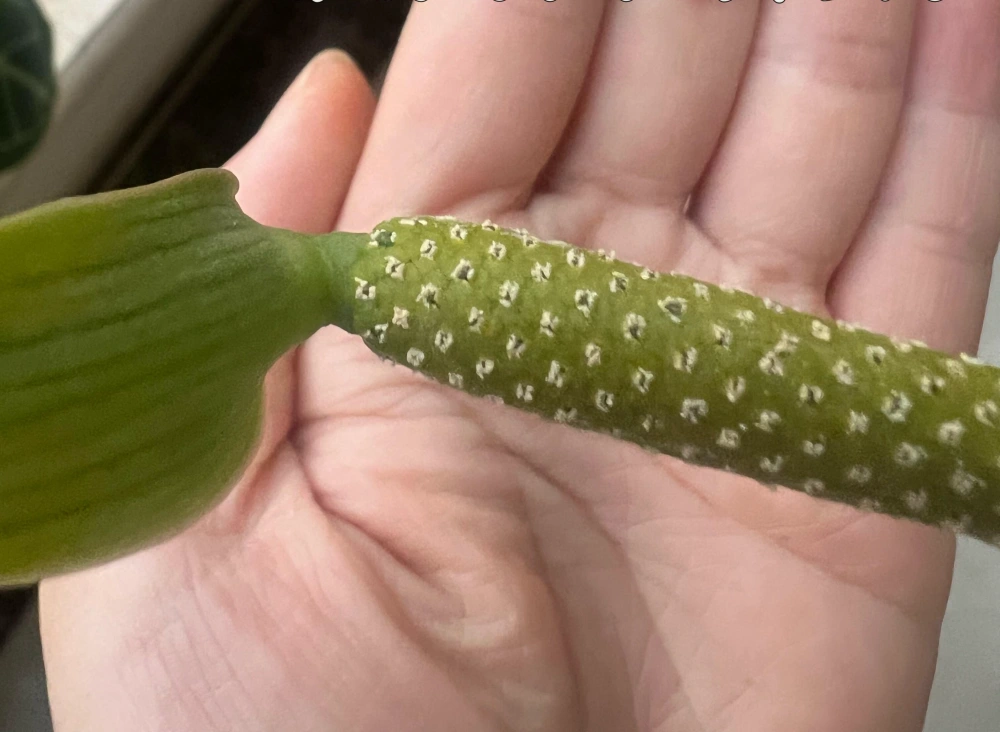
Yes, anthurium is toxic to dogs. But in real homes, the bigger issue is usually not the plant simply being in the room. It is whether a dog actually chews it, swallows part of it, or gets the sap in the mouth.
The leaves, flowers, stems, and sap can all cause irritation, so the real risk starts when a dog bites the plant rather than just living around it. If you are here because your dog already chewed an anthurium, the most useful thing is not to panic. It is to judge how much was eaten, what symptoms are showing up, and whether this looks like a mild mouth irritation or something that needs a vet call sooner rather than later. If you also have cats at home, it is worth checking separately whether anthurium is toxic to cats, because the real-life risk does not always play out in exactly the same way.
What Anthurium Usually Does to Dogs
The most common signs I’d watch for
When a dog chews an anthurium, the first signs are usually pretty easy to notice. In most cases, it does not look like a silent or delayed problem at the start. The dog often shows mouth discomfort quite quickly, especially if it has bitten into the leaf or flower rather than just sniffing the plant.
The most common things I would watch for are drooling, pawing at the mouth, lip or tongue irritation, vomiting, reluctance to eat, and obvious discomfort. Some dogs may keep licking their lips over and over. Others may look restless, back away from food, or act confused about why their mouth suddenly feels wrong. Even when the reaction is not severe, it often looks very unpleasant.
Why the reaction is usually immediate and hard to ignore
Many dogs do not chew anthurium quietly and move on as if nothing happened. Because the irritation starts in the mouth, the reaction is often immediate. A dog may suddenly stop chewing, lick frantically, rub its face, drool more than usual, or keep opening and closing its mouth as if something feels wrong.
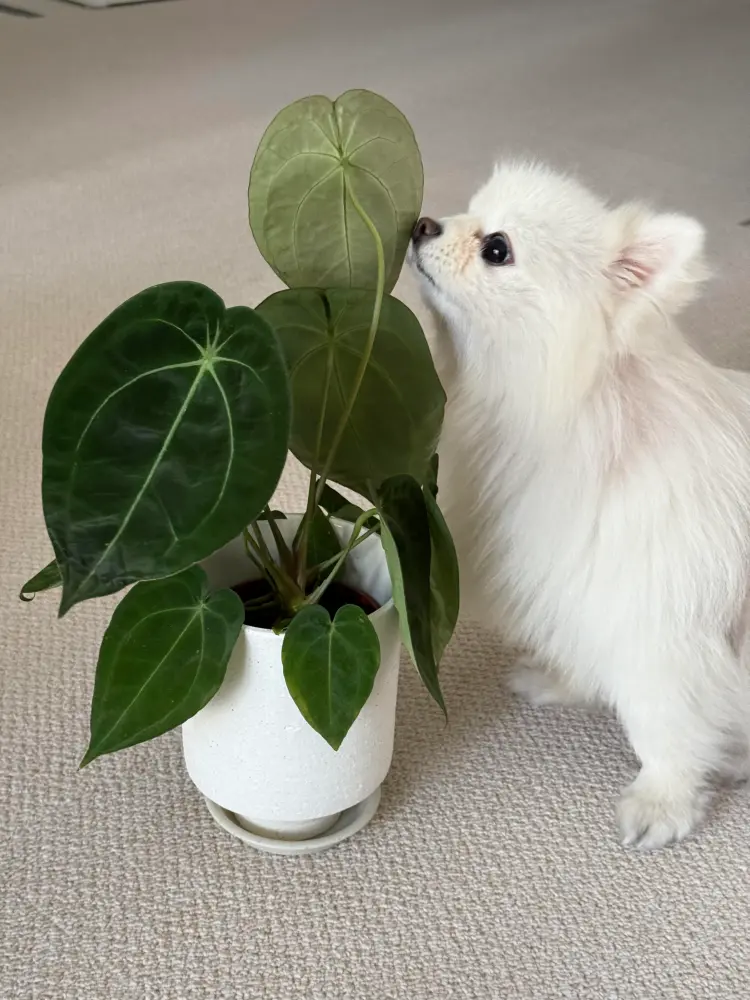
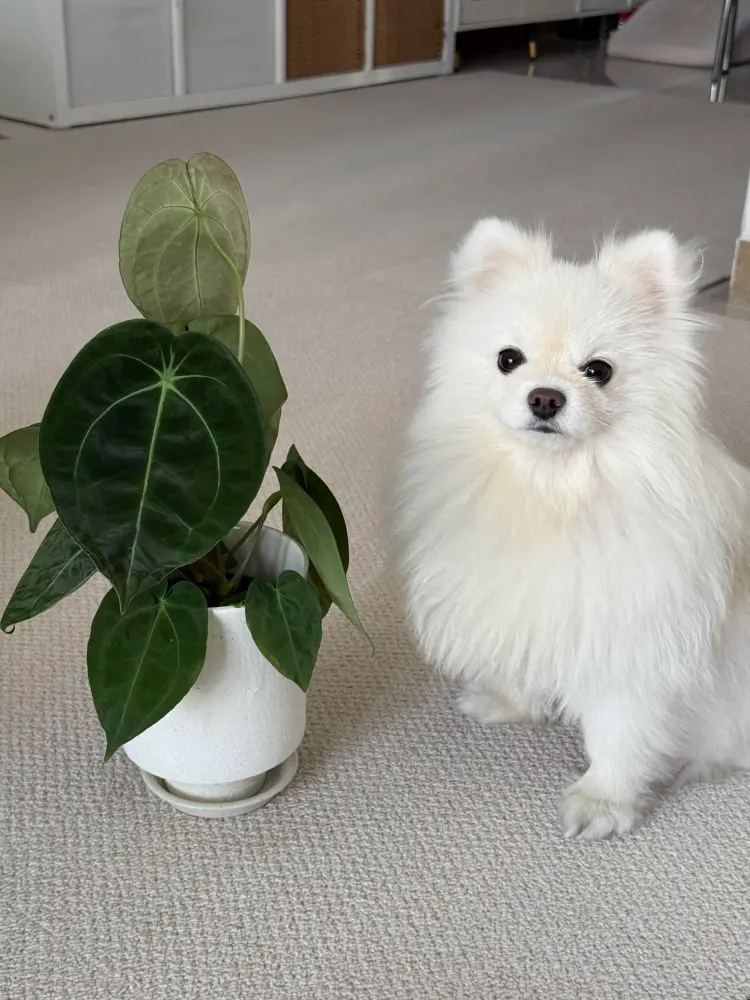
That is also why some dogs take one bite and stop. In most cases, the plant becomes unpleasant very quickly. So while the word “toxic” sounds alarming, the more common real-life pattern is obvious mouth discomfort rather than a dog calmly eating a large amount with no reaction.
When it becomes more than a minor chewing incident
Even so, not every case should be treated as a simple wait-and-see situation. I would be more concerned if the dog clearly swallowed a noticeable amount, kept vomiting, seemed unusually tired, or was acting worse instead of settling down. I would also take it more seriously with a small dog or a puppy, because a smaller body size usually gives you less margin for error.
Other signs that push it out of the “minor chewing incident” category are swelling around the mouth or face, trouble swallowing, ongoing distress, or symptoms that keep building instead of easing. That is the point where I would stop trying to judge it casually at home and contact a vet sooner rather than later.
What I Would Do Right Away If My Dog Chewed Anthurium
Remove the plant and any broken pieces
The first thing I would do is get the plant out of reach right away. If there are any torn leaves, fallen flowers, stem pieces, or bits of plant tissue on the floor, I would pick those up too. In a real home, the problem is often not just the one bite that already happened. It is the second or third bite that happens while you are still trying to figure out what the dog got into.
I would also check the area around the pot, not just the plant itself. Sometimes the most tempting pieces are the ones that have already dropped off and are lying nearby.
Check the mouth and offer fresh water
After that, I would look at the dog’s mouth as calmly as possible. I would check for any plant pieces still stuck around the lips, tongue, or gums, especially if the dog is licking frantically or acting like something is still bothering it. I would not try to force the mouth open roughly, but I would at least try to see whether there is obvious plant material left behind.
Then I would offer fresh water. The goal here is simple: help rinse some of the irritation from the mouth. I would let the dog drink on its own, but I would not force water into its mouth. If the dog wants a few small drinks, that is useful. If it refuses, I would focus more on watching its symptoms closely.
Watch the dog, not just the plant
This part matters more than many people expect. Once the plant is out of reach, I would stop focusing so much on how damaged the anthurium looks and pay more attention to how the dog is acting. A half-chewed leaf can look dramatic, but the more important question is whether the dog seems mildly irritated and stable, or whether the symptoms are getting stronger.
I would watch for things like ongoing drooling, repeated lip licking, pawing at the mouth, vomiting, swelling, unusual quietness, or trouble settling down. In other words, I would not judge the situation only by how much plant seems to be missing. I would judge it by whether the dog looks like it is improving, staying the same, or getting worse.
Call a vet sooner if the symptoms are clearly building
I would be much less comfortable waiting it out if the dog starts vomiting repeatedly, developing swelling, having trouble swallowing, showing any breathing changes, or becoming unusually lethargic. Those are the kinds of signs that make this more than a minor mouth irritation.
I would also be quicker to call if a puppy or small dog chewed and swallowed a noticeable amount. Smaller dogs usually have less room for a “let’s just watch and see” approach, especially when the amount eaten is unclear. At that point, I would rather contact a vet early than waste time hoping it settles on its own.
What Makes Anthurium Riskier in a Home With Dogs
Some dogs ignore plants, and some absolutely do not
Not every dog creates the same level of risk around houseplants. Some adult dogs lose interest in plants completely and never go near them, even if the pot is easy to reach. Others will test anything new with their mouth, especially if they are still young, easily bored, teething, or naturally curious.
That is why age and behavior matter so much. A calm adult dog that has never shown interest in leaves, soil, or fallen plant debris is very different from a puppy that chews whatever is nearby. The risk also goes up with dogs that like digging in pots, picking things up from the floor, or grabbing random bits out of habit. In real homes, those behavior patterns matter more than general advice like “just keep toxic plants away from pets.”
The biggest problem is usually access
Most of the time, the real issue is not simply owning an anthurium. It is how easy it is for the dog to reach it. A plant sitting on the floor, on a low stand, or beside a sofa is much more likely to become a problem than one placed well out of the way. Even a dog that usually ignores plants may investigate one if it is constantly within nose level.
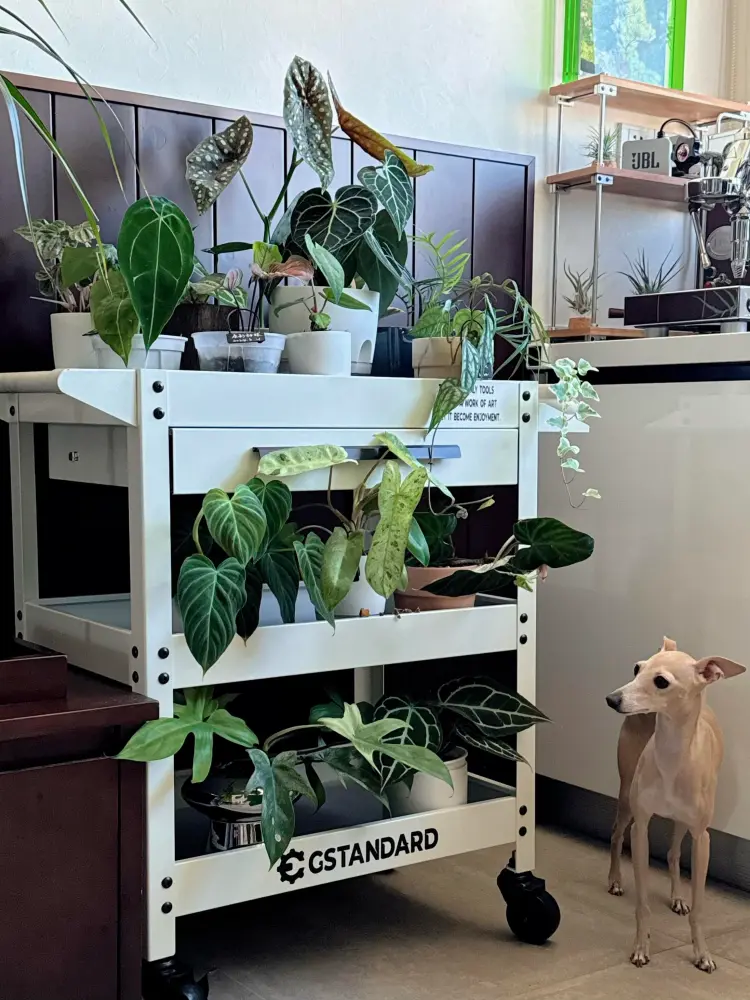
Access also includes the small things people forget about. A dropped yellow leaf left in the pot tray, a broken flower on the floor, or cuttings from pruning left nearby can all be more tempting than the intact plant itself. After repotting, pruning, or moving plants around, there is often more loose material within reach, and that is exactly when accidents are more likely to happen. In that sense, the everyday setup matters more than the abstract idea that the plant is toxic.
How I lower the risk at home
If I were keeping anthuriums in a home with dogs, I would focus on reducing access instead of assuming the dog will always make the right choice. I would keep the plant above nose level, not on the floor or on low furniture where it can be sniffed, nudged, or bitten out of curiosity. I would also clean up fallen leaves quickly, because loose plant parts are often easier for a dog to grab than a whole potted plant.
I would never leave cuttings, pruned leaves, or broken flowers sitting nearby, even for a short time. I would be extra careful after repotting or pruning, since that is when the floor and the area around the pot are most likely to have plant debris. Most importantly, I would assume that a curious dog will eventually test anything left within reach. That mindset is usually safer than trusting that “my dog probably won’t care.”
Can You Keep Anthurium If You Have Dogs?
I think the honest answer is yes, sometimes — but not in every kind of dog household. Anthurium is not one of those plants I would casually recommend for any home with pets and leave it at that. Whether it is manageable really depends on your setup, your dog’s habits, and how realistic it is to keep the plant out of reach all the time.
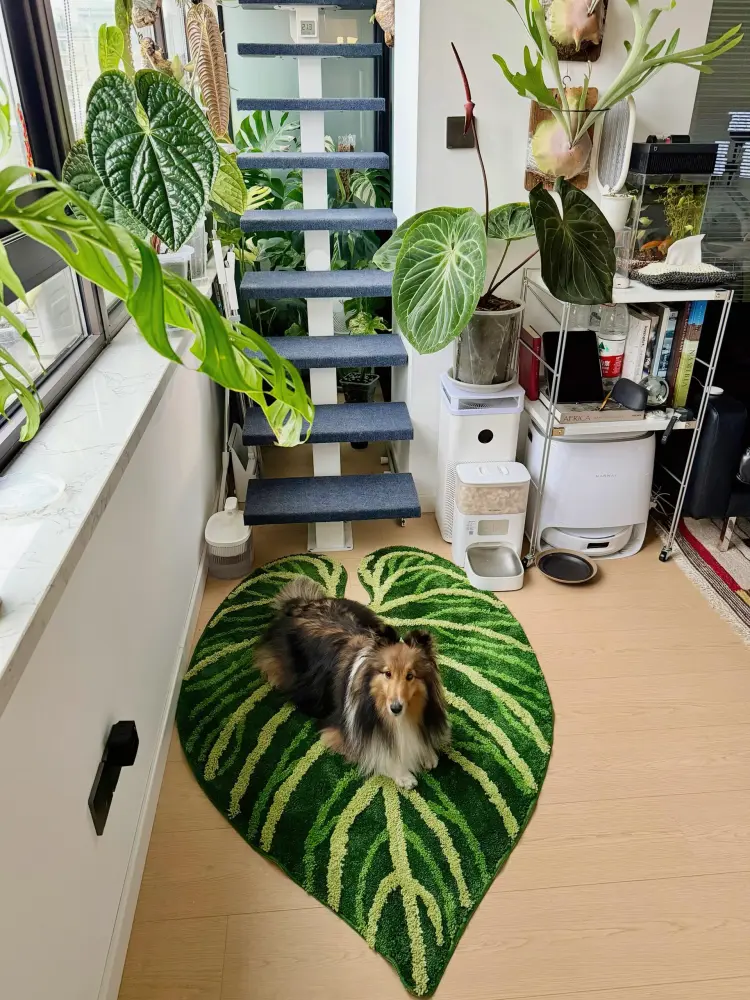
I think it can work if the plant can be placed somewhere the dog truly cannot access, not just somewhere that feels “probably fine.” It also helps if you are the kind of plant owner who cleans up fallen leaves quickly, does not leave trimmed pieces lying around, and pays attention after pruning or repotting. Just as importantly, it is a much easier plant to keep in a home where the dog has little interest in chewing leaves, sniffing pots, or picking things up off the floor.
On the other hand, I would not call anthurium a great fit for homes with puppies, habitual plant chewers, pot diggers, or dogs that grab anything they find on the ground. It is also not a very practical choice if you do not have a reliable place to keep it above nose level. In those homes, the risk is not theoretical. It is built into the dog’s normal behavior and the way the room functions day to day.
Anthurium is not the best choice for a home where the dog regularly chews anything within reach.
That does not mean every dog owner has to give it up. But it does mean the real question is not just whether anthurium is toxic. It is whether your dog can reach it, whether fallen pieces will be cleaned up quickly, and whether your home setup actually matches the risk. If your dog tends to chew leaves, grab things off the floor, or investigate every pot in the room, anthurium is probably not the most low-stress plant to keep indoors.
FAQ
Looking into other Anthurium problems too?
If you are troubleshooting more than one issue at home, I’ve also put together my full Anthurium problems hub — including yellow leaves, drooping, browning, stalled growth, and root-related stress I’ve run into indoors.
Go to Problems Hub →