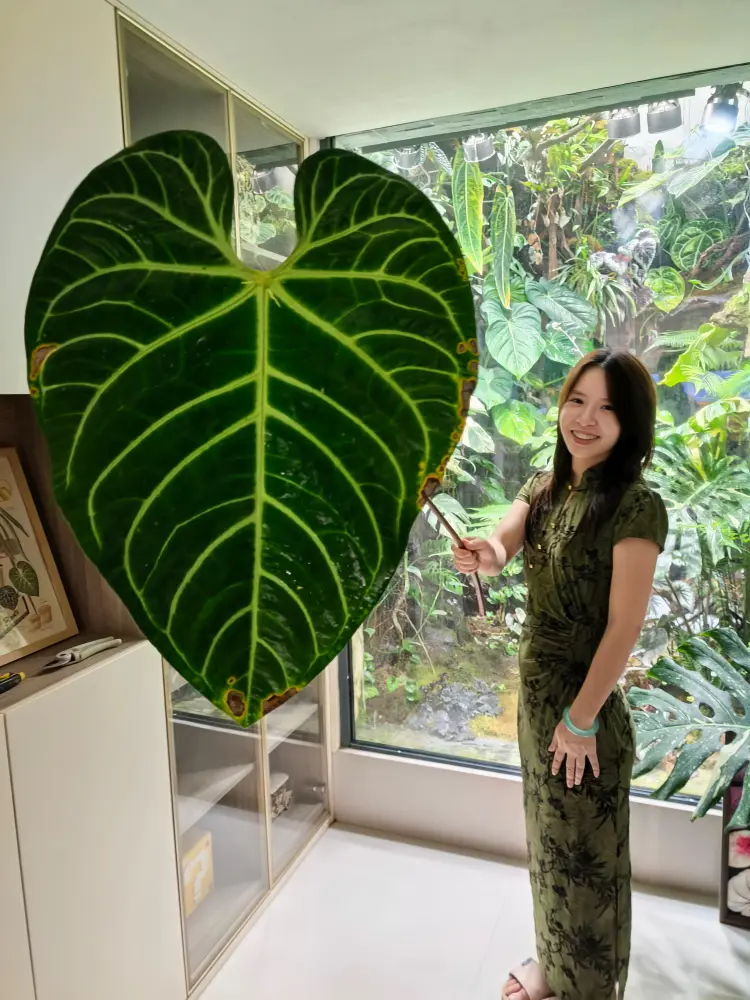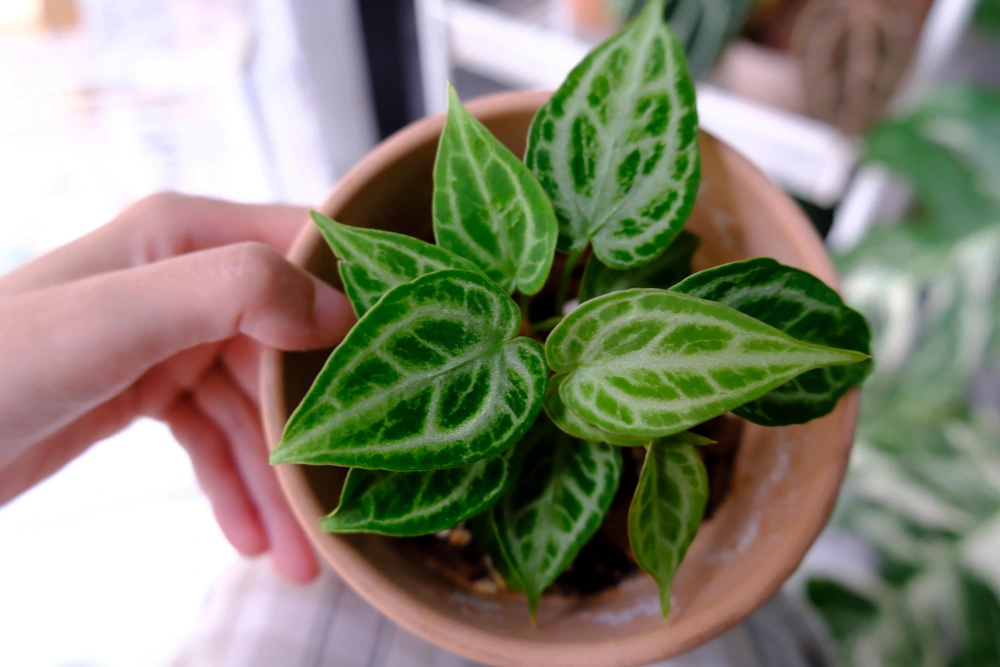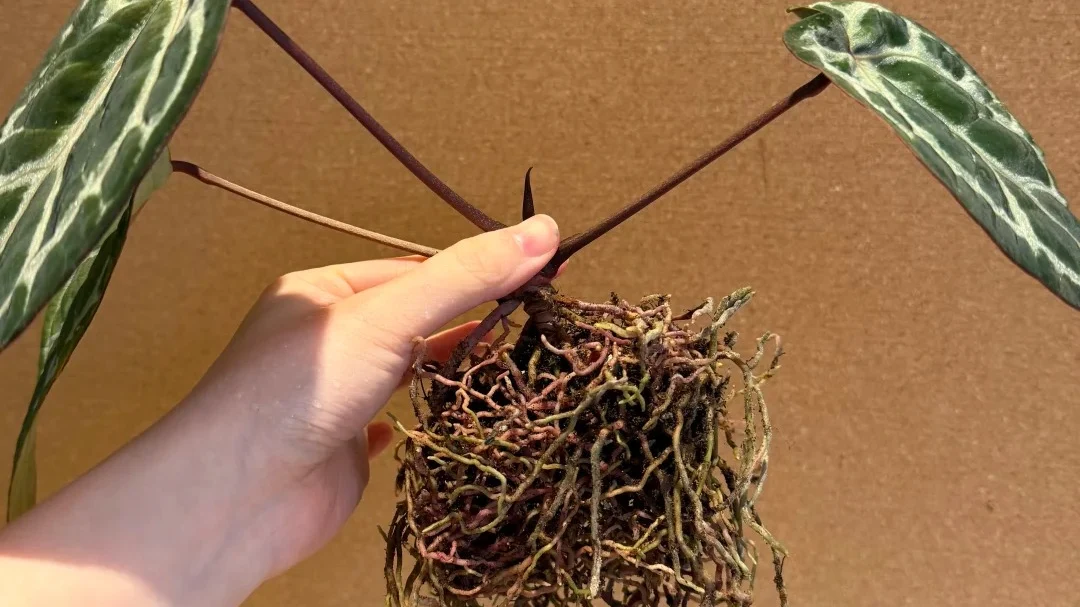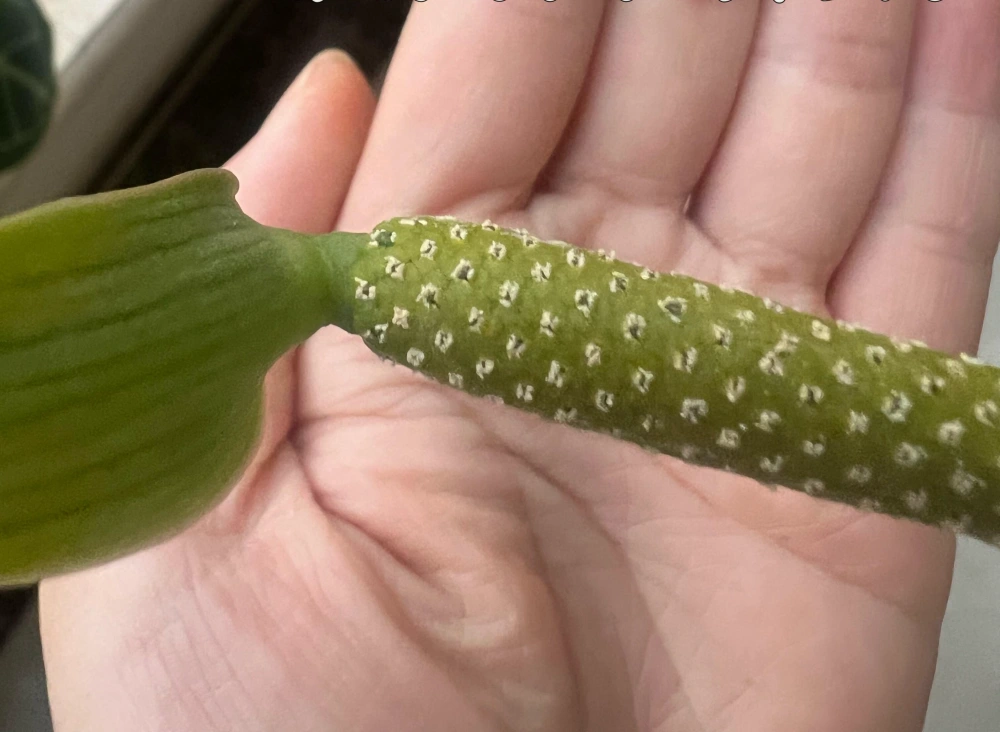
Whenever people start talking about large velvet anthuriums, Anthurium regale almost always comes up. Part of that is reputation, of course, but I do not think reputation alone explains why growers keep returning to it. What makes regale so memorable is the combination of scale, dark velvet texture, and dense pale venation. When those traits come together on a good leaf, the plant has a kind of visual weight that is hard to ignore.
At the same time, regale is not one of those anthuriums that always looks impressive from the beginning. A small plant can still look promising, but it usually does not give you the full effect right away. The leaves need time to get larger, the texture needs time to deepen, and the venation needs time to start looking like part of the leaf’s structure instead of just surface contrast.
That is why I do not think people stay interested in regale just because it is famous. They stay interested because a really good regale has a look that very few anthuriums replace once the plant starts maturing properly.
What Makes Anthurium regale So Distinctive
One thing that makes Anthurium regale feel different from many other velvet anthuriums is the way its leaf size changes the whole presence of the plant indoors. Even without reaching wild size, a mature regale leaf can dominate the plant visually. That is part of what makes regale feel less like a tabletop foliage plant and more like a species where a single good leaf can carry most of the impact.
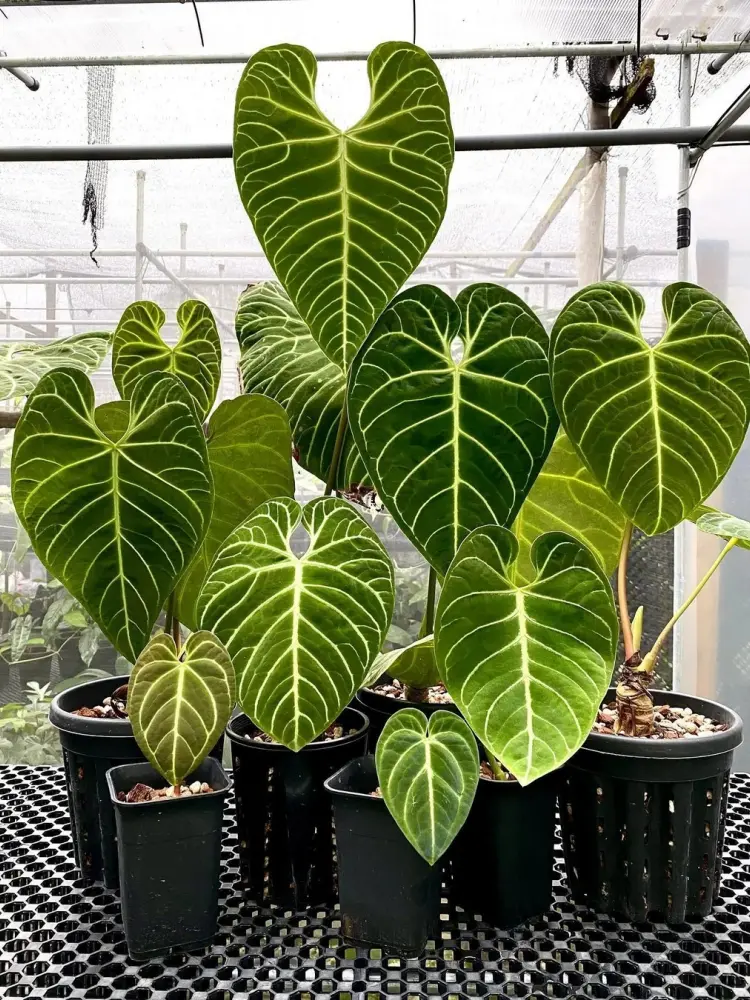
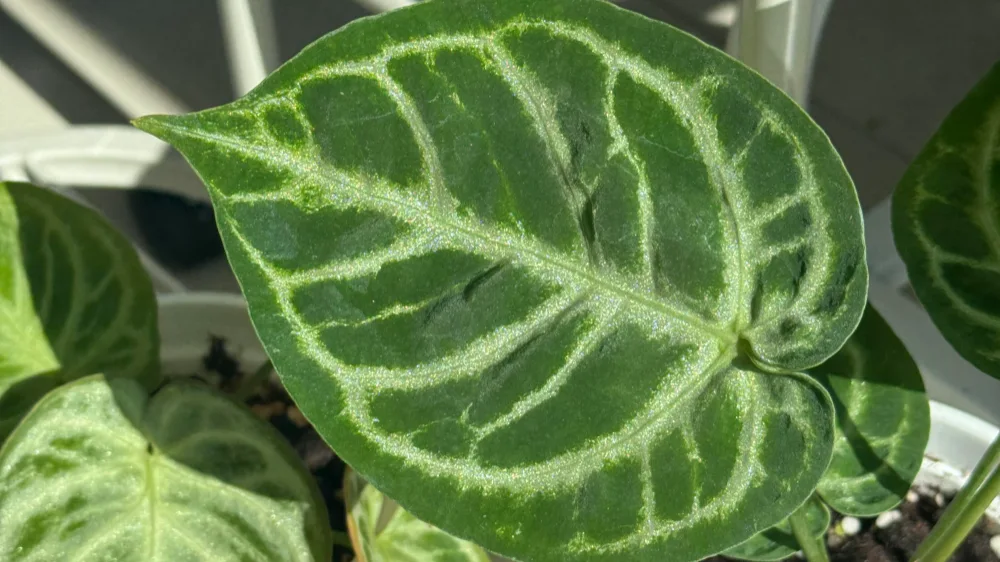
A lot of regale’s identity also comes from the venation. What makes it stand out is not simply bright veins on a dark background, but the way the pale veins can spread into a much denser, more maze-like pattern across the surface. On a good leaf, that gives the plant real depth rather than just contrast. This is one of the main reasons regale does not feel interchangeable with other large velvet anthuriums. The venation has a heavier, more structural look, and that visual texture is a big part of what people respond to.
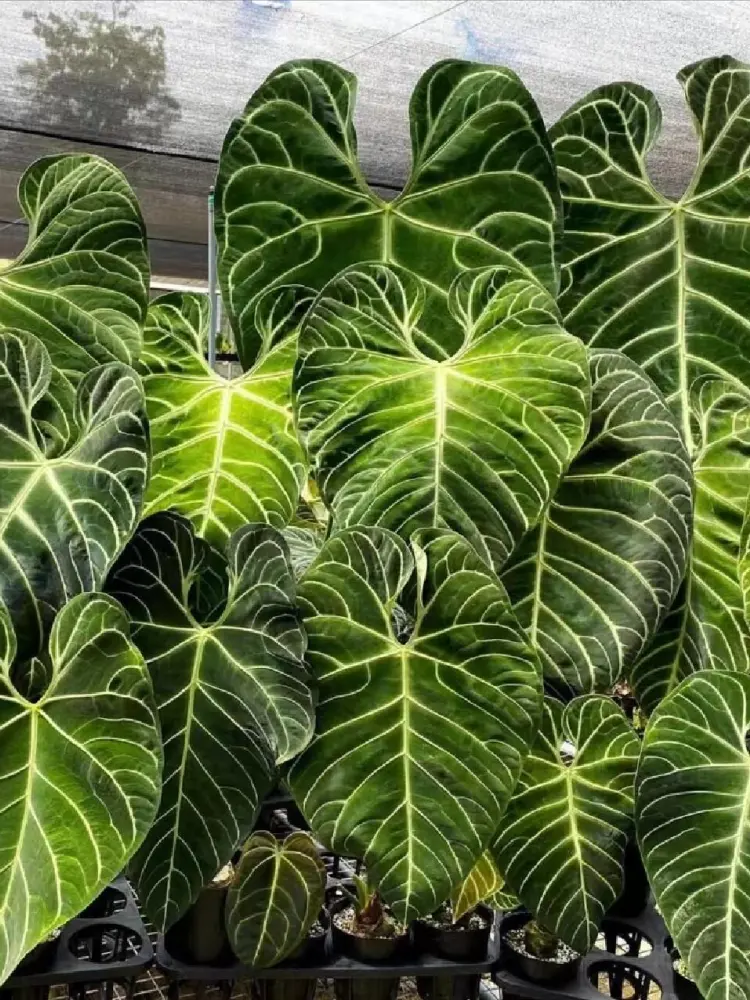
It is also a plant that makes much more sense once you stop judging it by speed. Regale is slow in a very visible way. A new leaf can take a long time to expand, and even after unfurling, it may still need time before the texture, shape, and overall presence feel fully developed. That is part of its identity too. Regale is not a plant built around quick payoff. It is a plant that becomes more convincing gradually, which is exactly why it tends to reward patience more than urgency.
Standard Regale vs Regale Stripes
One of the more interesting things about Anthurium regale is that not all plants emphasize the same features. Some growers are drawn more to what I would think of as a standard regale look — broader structure, heavier leaf presence, and a more classic overall impression. These plants tend to feel a little more grounded visually, with the leaf shape and scale doing more of the work.
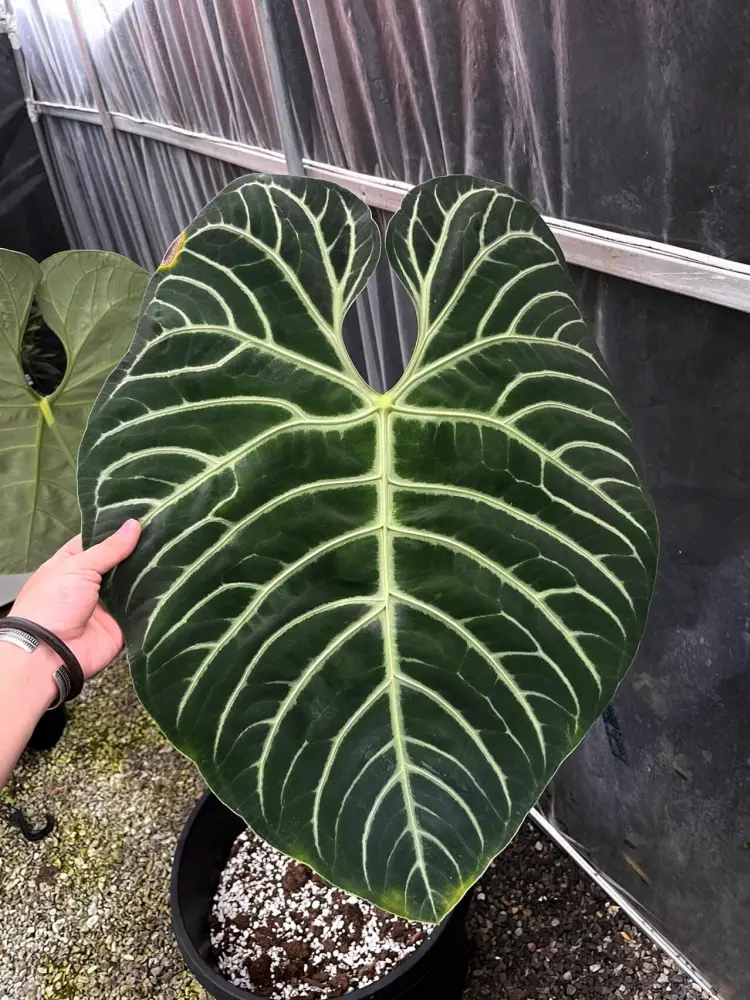
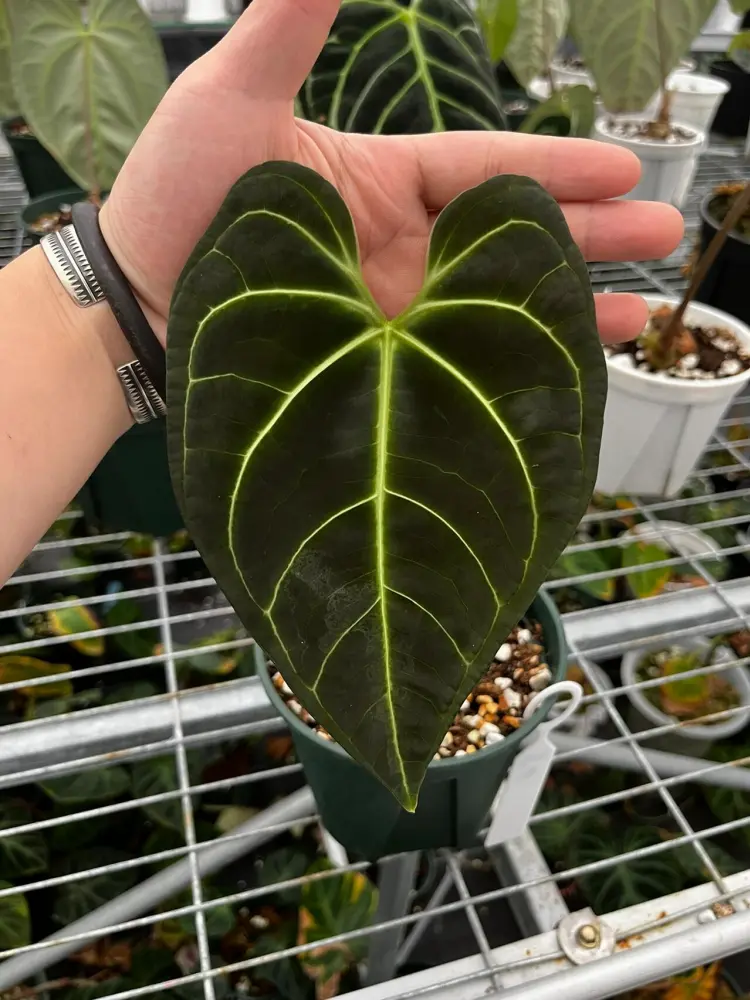
Others are more attracted to striped forms, where the secondary venation is denser and the leaf surface looks more patterned overall. In those plants, the visual interest often comes less from broad shape alone and more from how much fine vein detail spreads across the leaf. That usually makes the foliage feel more intricate and more immediately striking, especially once the leaves mature.
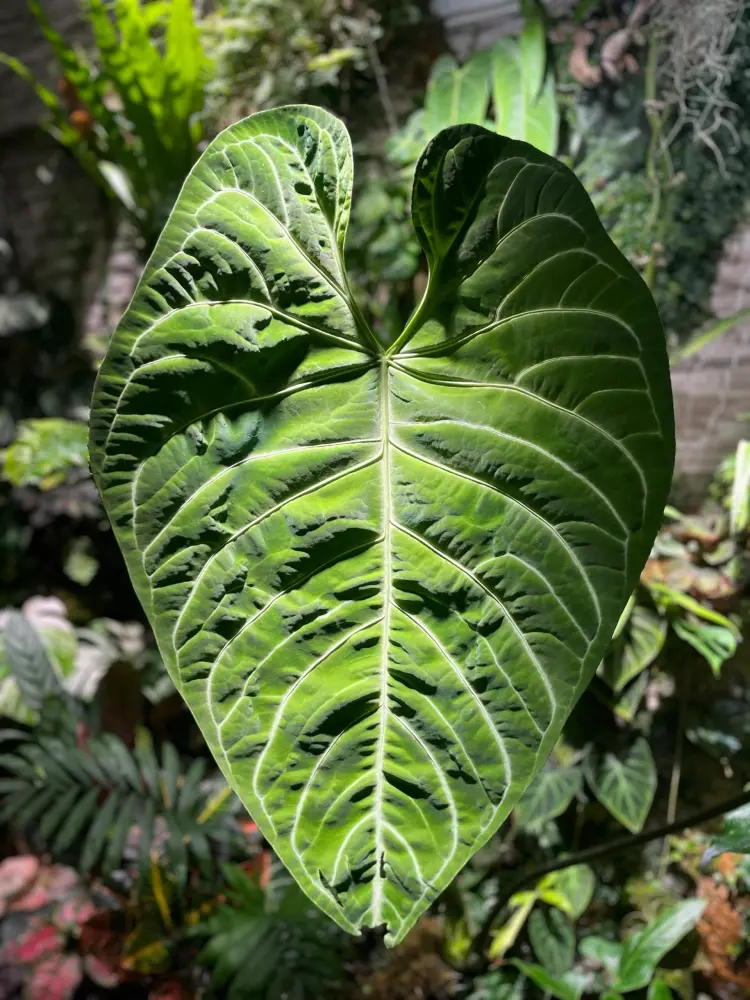
To me, the real difference is not about which one is better or more “premium.” It is more about what kind of visual emphasis you prefer. If you like regale for its mass, scale, and heavier structure, the standard form may feel more satisfying. If you care more about dense patterning and a stronger layered vein effect, the striped forms may be the ones that hold your attention longer. Both still feel like regale — they just pull your eye in slightly different ways.
What Growing Regale Indoors Actually Feels Like
I think Anthurium regale often gets imagined as a plant that will feel dramatic very quickly, especially once people see mature photos online. In reality, growing it indoors usually feels much slower than that. A young plant can look promising, but it does not usually turn into a giant statement piece overnight, and that gap between expectation and reality is part of what makes regale harder for some growers than they expected.
What regale gives you instead is a slower kind of satisfaction. Much of the reward comes from waiting for one leaf to fully develop and then seeing what kind of size, shape, and venation it ends up with. There can be long stretches where it feels like very little is happening, even though the plant is still progressing.
That is why I do not think regale makes the most sense for people who want quick feedback from a plant. It is much better suited to growers who enjoy slow changes and who do not mind waiting for a leaf to become worth the wait. Indoors, regale feels less like a fast performer and more like a long-term plant that gradually builds its impact over time.
What Makes a Regale Look Truly Good Indoors
A large leaf alone is not enough to make Anthurium regale feel truly impressive indoors. Size matters, of course, but size without the right texture, venation, and shape can still leave the plant looking underdeveloped. What makes a good regale leaf stand out is how those elements come together. The leaf needs to feel substantial, the surface needs to carry that dark velvet weight, and the venation needs to look like part of the leaf’s structure rather than a flat pattern sitting on top.
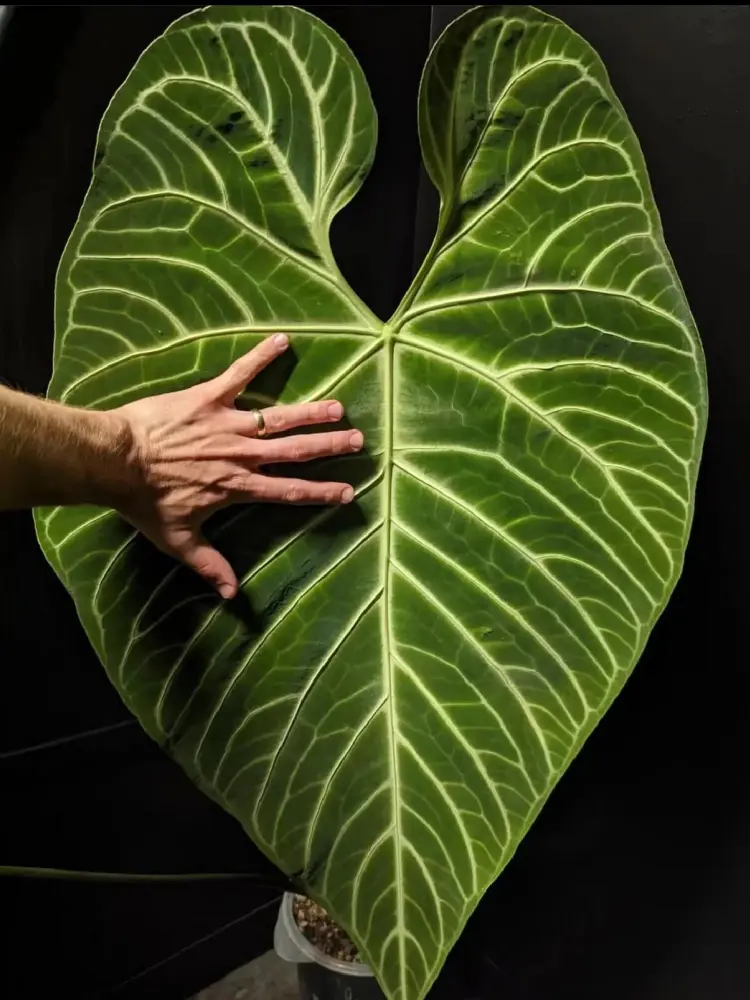
Individual variation also matters more with regale than some people expect. Not every plant develops in exactly the same way. Some have cleaner, more defined veins. Some build denser secondary patterning. Some produce mature leaves with a stronger overall shape and better balance. That is one reason good regale plants are still so appealing even now that the species itself is more widely available. The name alone does not guarantee the same visual result.
To me, this is where the difference between a merely surviving regale and a really good one becomes obvious. A plant can stay alive and still never reach that point where the size, texture, and venation all feel convincing together. But when regale is grown well indoors, those qualities start reinforcing each other. The leaf does not just look big. It looks settled, heavy, and unmistakably like regale.
The Real Challenge With Regale: Slow Progress and Leaf Quality
I do not think Anthurium regale is difficult mainly because it is fragile. The harder part is that it is slow in ways that are very easy to underestimate. A new leaf can take time to move, time to unfurl, and even more time before the shape, surface, and venation feel fully developed. That means the plant often asks for patience long before it gives much visible payoff.
Because of that, I think the real challenge with regale is not doing more, but disrupting less. A plant that develops this slowly usually responds better to consistency than to constant adjustment. If the environment keeps shifting, or if the plant gets moved, repotted, or overmanaged at the wrong moment, leaf quality can suffer even if the plant stays alive.
That is why I think growing regale well indoors is mostly about managing leaf quality, stability, and patience. The goal is not to keep pushing the plant for faster results. The goal is to let each leaf develop as cleanly and completely as possible. With regale, that mindset matters more than trying to optimize every small variable all the time.
What Helped My Regale Grow Better Indoors
What helped my Anthurium regale most was not any single trick. It was a set of conditions that made slow progress easier to live with and easier for the plant to sustain. In my home, regale improved once I stopped expecting quick feedback and started paying more attention to what helped each leaf develop with better quality and fewer setbacks.
Bright Filtered Light Worked Better Than Weak Indoor Placement
I would not treat regale like a deep-shade anthurium. It can survive in weaker indoor light, but in my experience that usually shows up in slower progress, less satisfying leaf texture, and an overall flatter result. What worked better for me was bright filtered light, or stable grow light support that kept the plant from sitting in dim conditions for too long.
Higher Humidity Helped Leaf Development
I do think higher humidity helps with leaf development and leaf quality. Regale leaves take time to form properly, and supportive humidity makes that process easier. I am not talking about chasing extreme numbers, but I do think the plant responds better when the air is moist enough to support clean unfurling and a better-looking finished leaf.
Warm, Stable Conditions Mattered More Than Trying to Push Speed
Because regale is already slow, I have found it more useful to keep conditions warm and stable than to keep trying to force faster growth. Frequent shifts in temperature or setup tend to do more harm than simple slowness. In my home, the plant did better when I treated steadiness as the goal instead of trying to “wake it up” every time it felt inactive.
The Mix Had to Stay Airy Without Drying Too Hard
The root zone mattered too. I wanted a mix that stayed airy enough to avoid feeling heavy, but not one that dried so fast that the plant kept getting pulled backward between waterings. For regale, I found that airiness and moisture retention both matter, and leaning too hard toward fast dry-down made the plant feel slower rather than safer. What worked better was a mix that kept the roots active without turning stale or dense.
Who Regale Is Best For
I think Anthurium regale makes the most sense for growers who genuinely enjoy large velvet anthuriums and do not mind waiting for a plant to become fully convincing. It suits people who care more about mature foliage than quick gratification, and who have enough space, humidity, and light to let the plant develop without constantly fighting the environment.
It makes much less sense for someone who wants fast visual feedback, has very limited space, or prefers plants that stay compact and look impressive quickly. Regale can be very rewarding, but it is not really a plant for impatient growers or for setups that cannot support its size and pace.
Why Regale Still Feels Like a Signature Anthurium
I do not think Anthurium regale remains compelling because it is rare. It remains compelling because it creates a very specific experience that few other anthuriums replace in quite the same way. The combination of large velvet leaves, dense pale venation, and slow development gives it a kind of visual weight that feels distinctive once the plant matures properly.
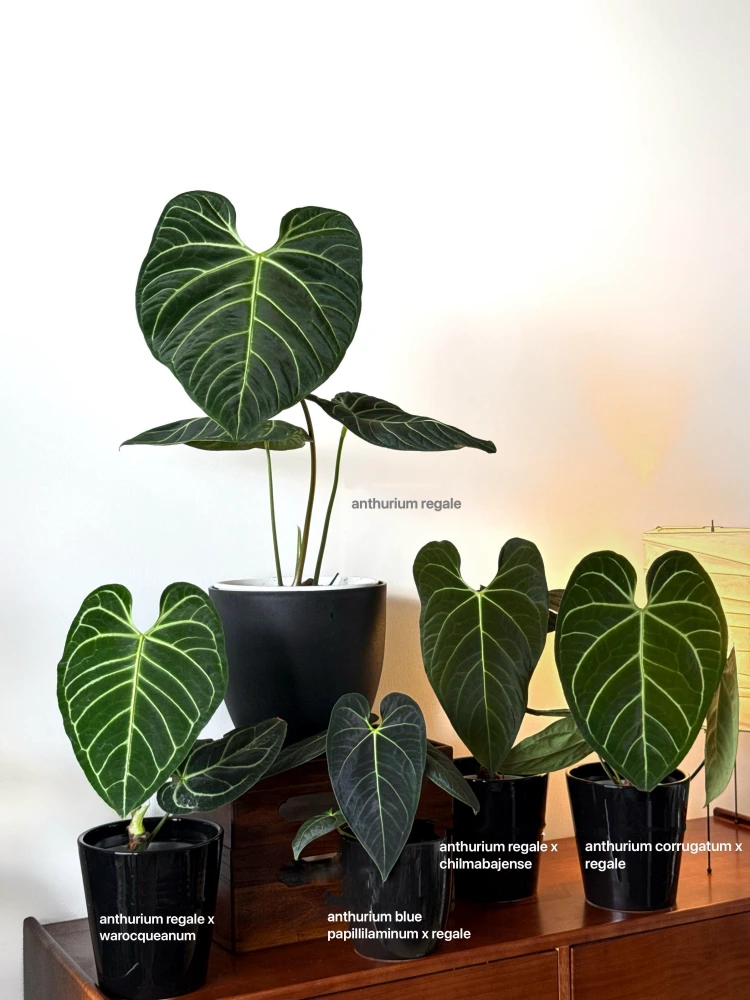
It is not the easiest plant to impress with in the short term, and it is certainly not the fastest. But that is also part of why it stays memorable. A mature regale does not just look large. It carries a sense of depth, scale, and rainforest heaviness that is difficult to substitute with something smaller or quicker. That is why it still feels like one of the anthuriums people return to when they want foliage with real weight and presence.
If you want to improve the basics first, my Anthurium care guides cover the light, watering, soil, and indoor conditions that matter most for leaf quality.
FAQ
Still comparing Anthurium varieties?
If you’re trying to figure out which anthuriums are actually worth growing indoors, my Anthurium varieties hub is a better place to compare leaf texture, growth habits, and overall difficulty side by side.
Explore Anthurium Varieties →