Anthurium Problems: What the Leaves, Roots, and Slow Decline Are Usually Telling You
Anthuriums rarely go from healthy to hopeless overnight. More often, they start slipping in quieter ways first. A lower leaf yellows, the edges brown, spots spread across the blade, the whole plant loses firmness, or blooming stops without any one dramatic event you can point to.
What makes them easy to misread is that the visible symptom is often not where the real problem began. A leaf can yellow because the roots stayed wet too long. Brown edges can build from the plant drying too hard between waterings. Spots can show up after moisture sits where it should not. A drooping anthurium can be thirsty — but it can also be a plant that has already lost root pressure.
This page is where I would start if an anthurium feels “off” but the cause is still unclear. I do not try to separate every symptom too neatly, because with anthuriums, yellowing, browning, spotting, drooping, and slowdown often connect back to the same few underlying problems.
When the leaves start changing
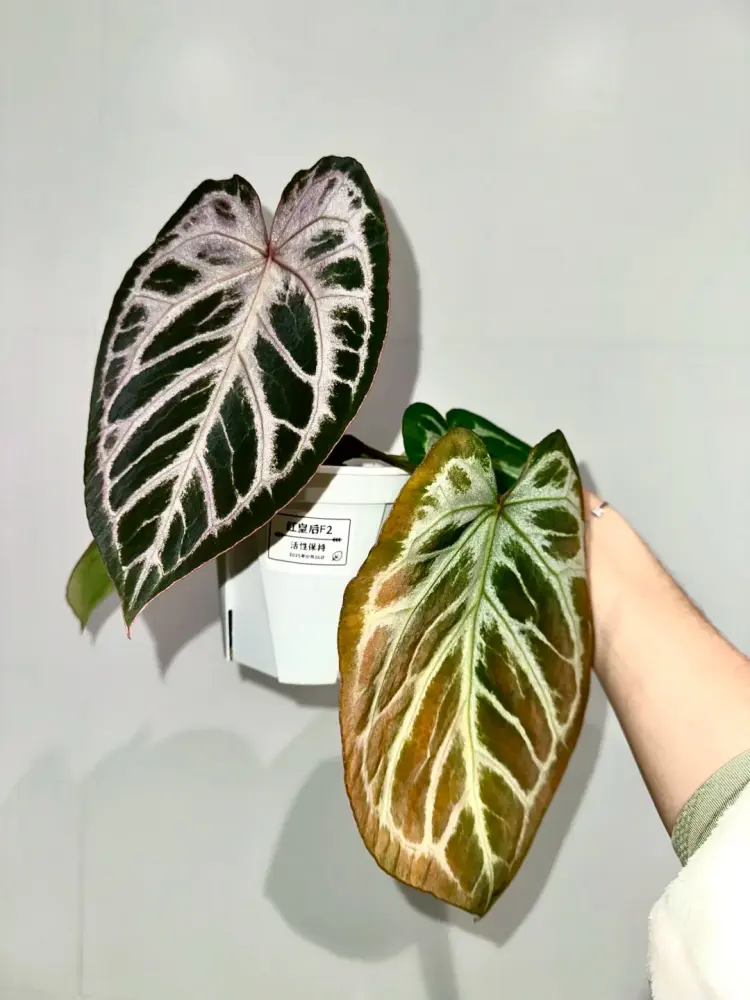
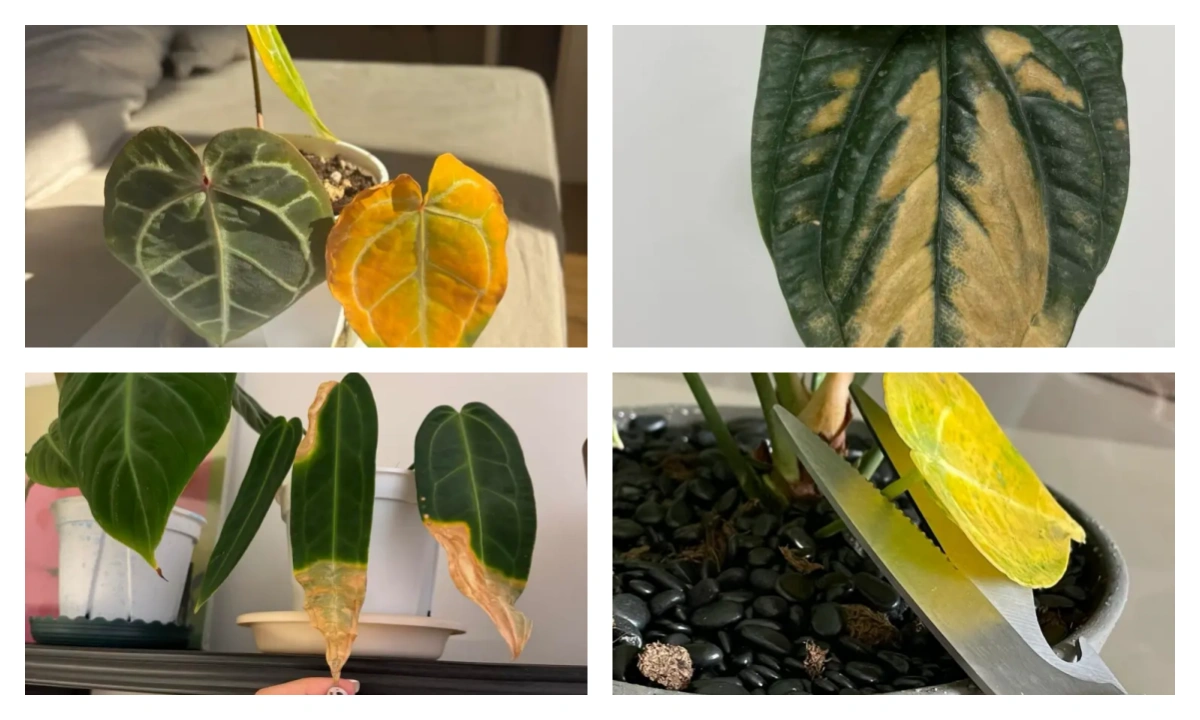
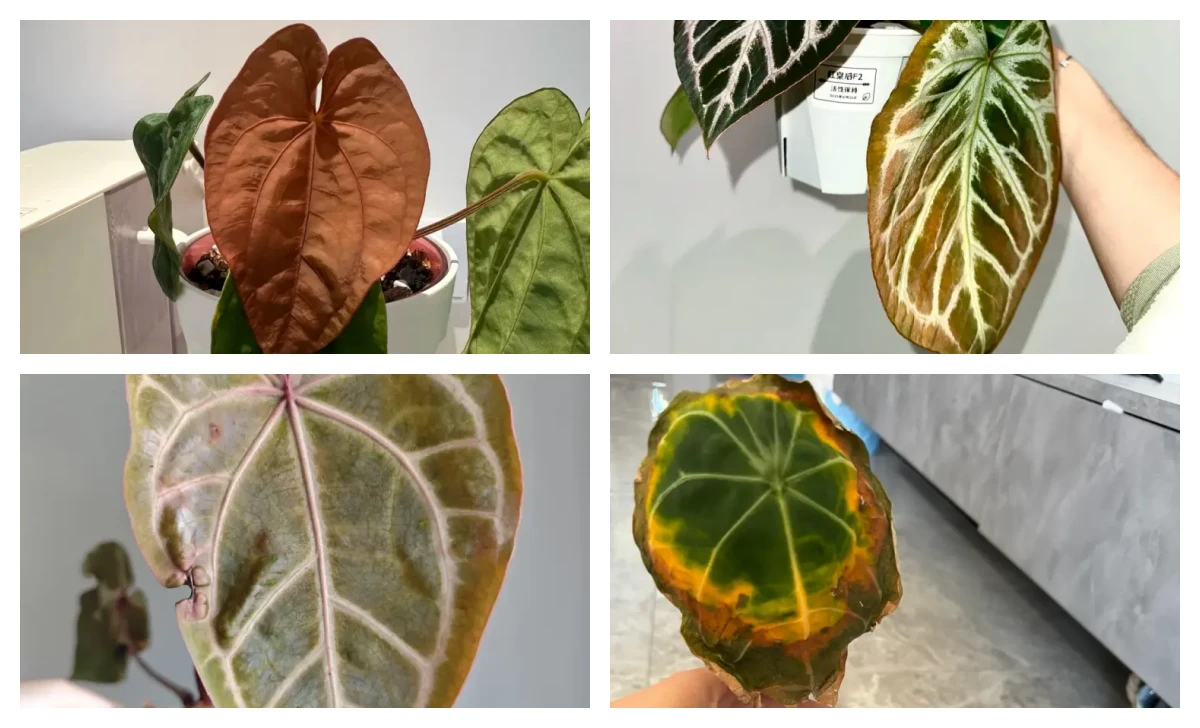
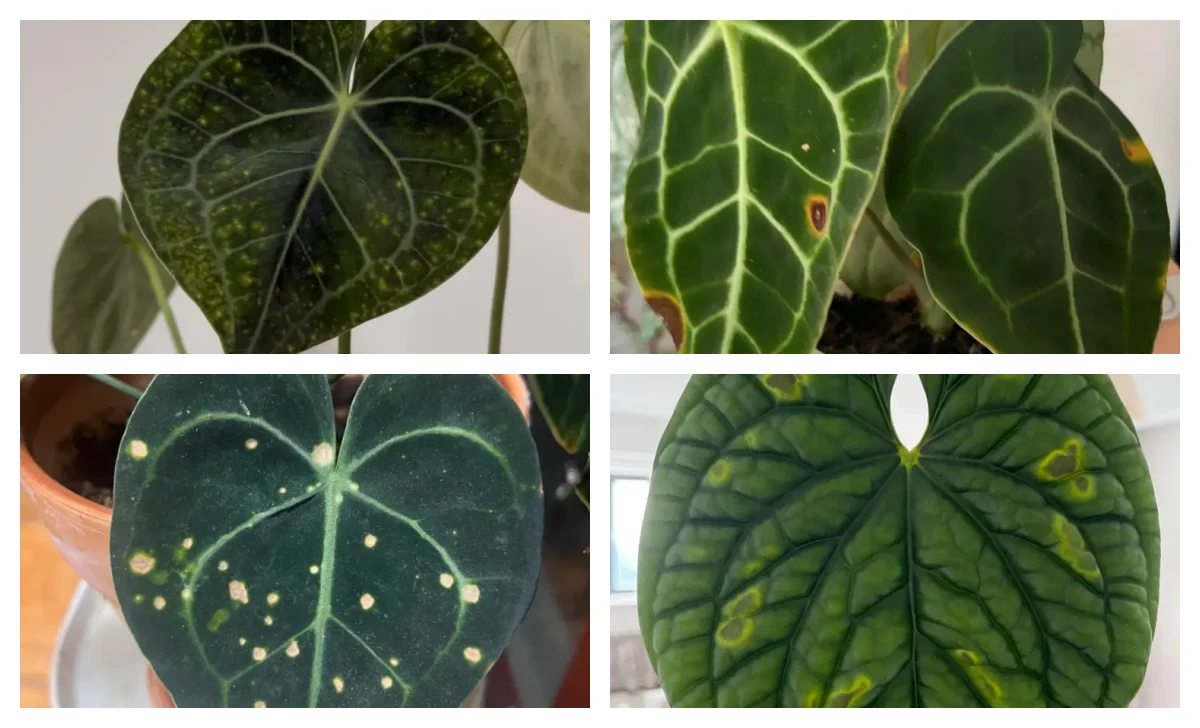
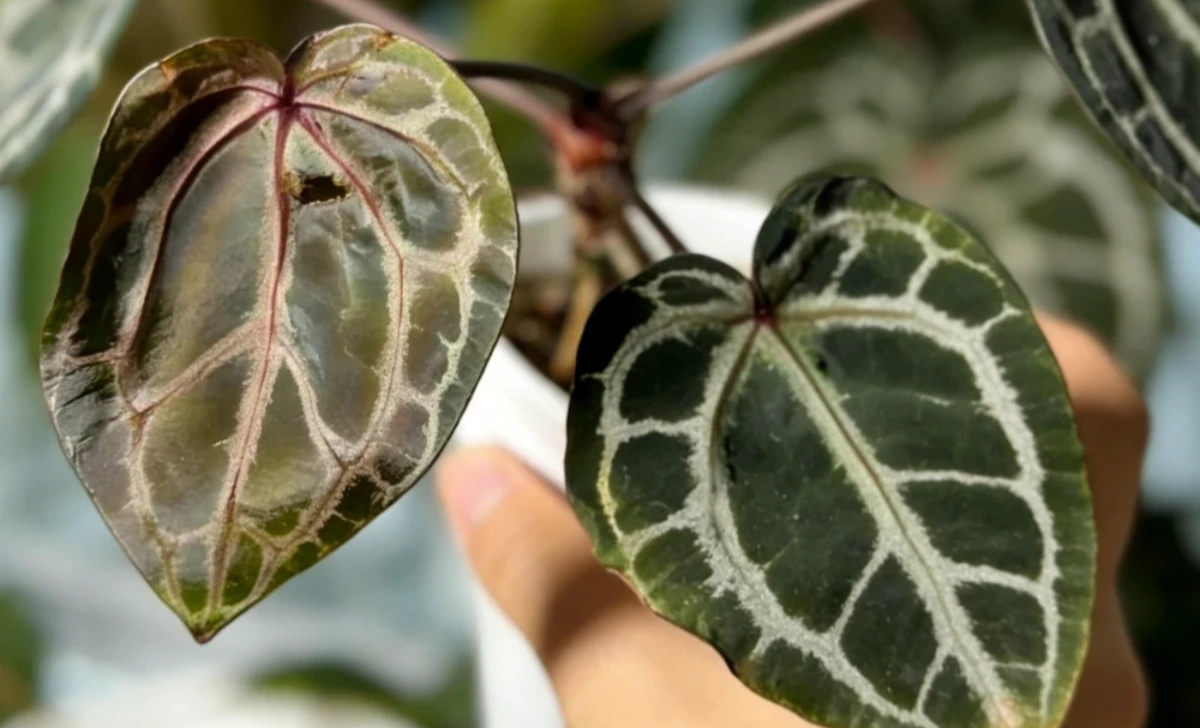
This is usually where the trouble becomes visible first. On an anthurium, leaves often change before the plant looks obviously sick. Yellowing, browning, and spotting can seem like separate problems, but they often overlap. I usually read them less as isolated leaf issues and more as clues about roots, moisture balance, and how well the plant has been holding itself together underneath.
When the plant starts collapsing from below
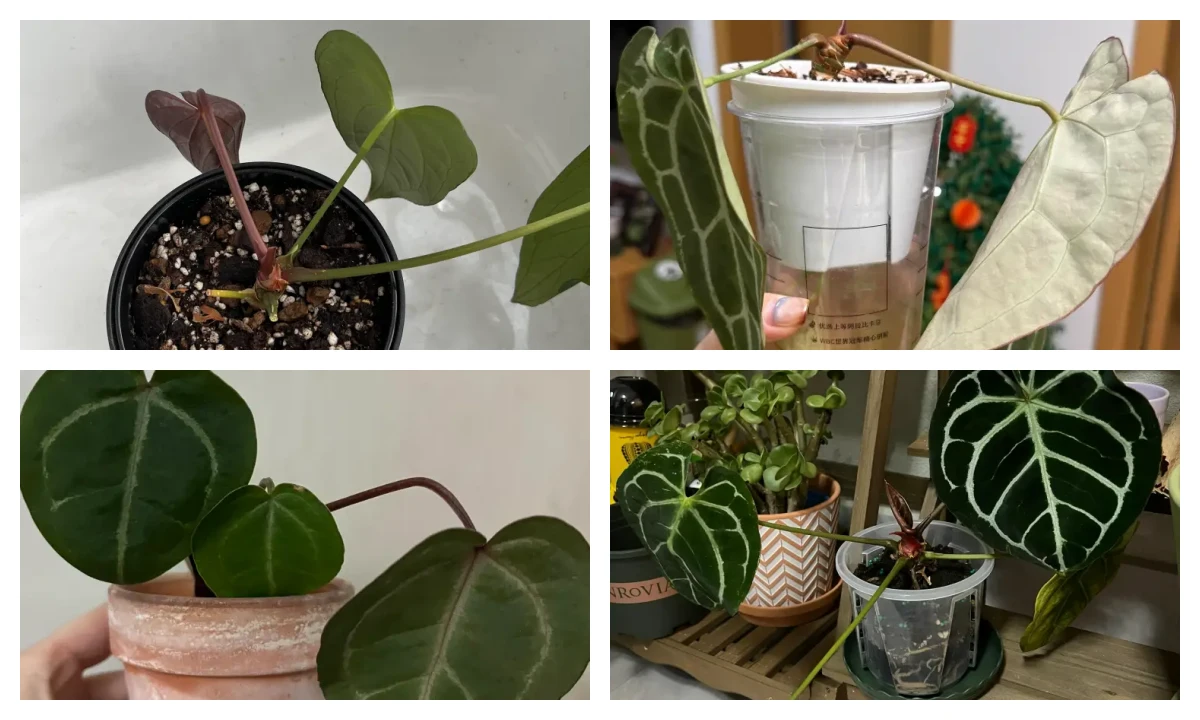
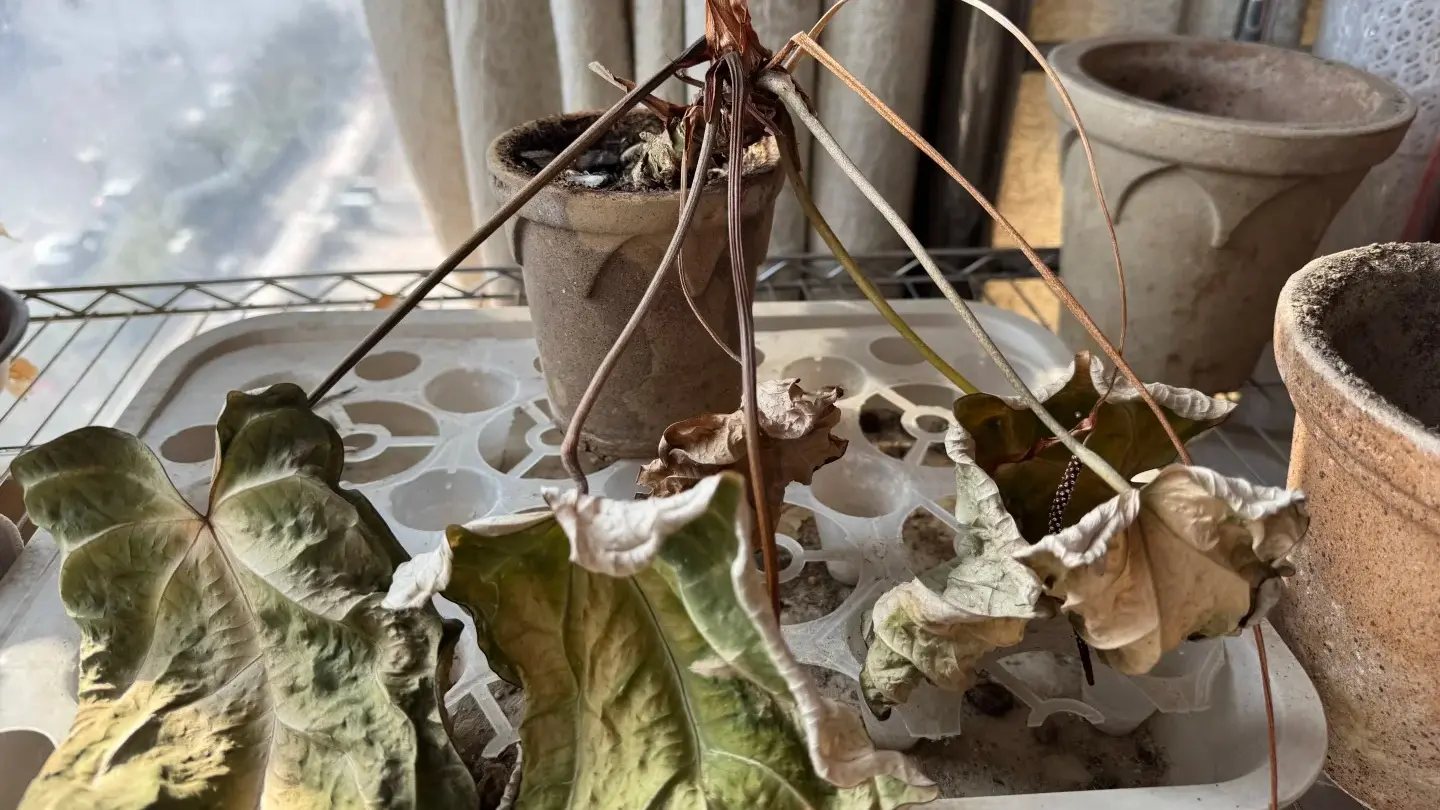
This is the stage people usually find the most unsettling, because the plant no longer just looks marked or imperfect — it starts losing firmness, losing rhythm, or feeling like it is slipping away. With anthuriums, that usually sends me below the surface first. I want to know whether the roots are still active, whether the mix is drying at a usable pace, and whether the plant still has enough pressure to support the leaves it already has.
When the plant stops performing
Not every anthurium problem shows up as damage. Sometimes the plant simply stops giving you the thing you were expecting from it. With common flowering anthuriums, that often means the blooms disappear. With foliage types, it may show up more as weaker size, slower push, or a plant that never really builds momentum again. In both cases, the issue is usually the same: the setup is no longer strong enough to support more than survival.
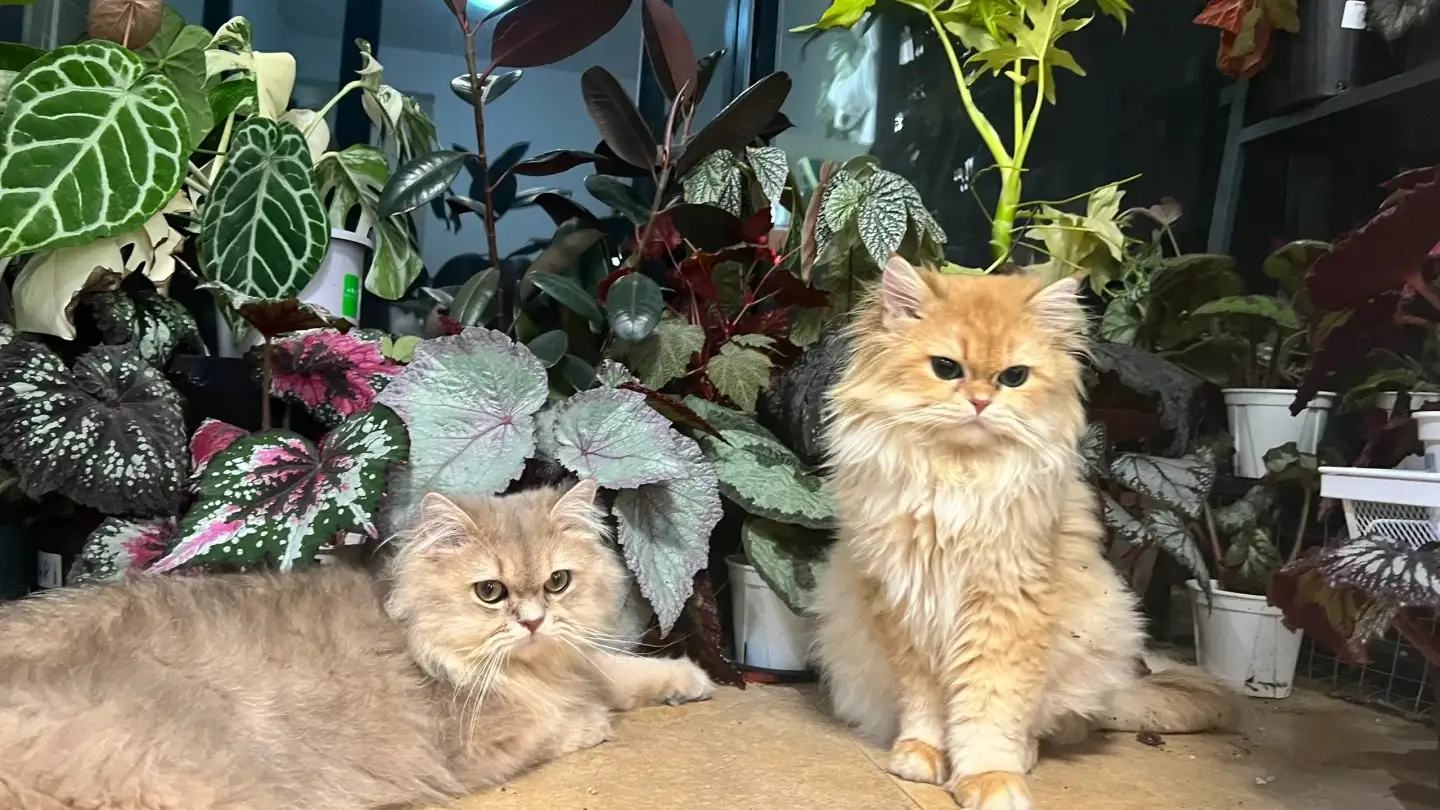
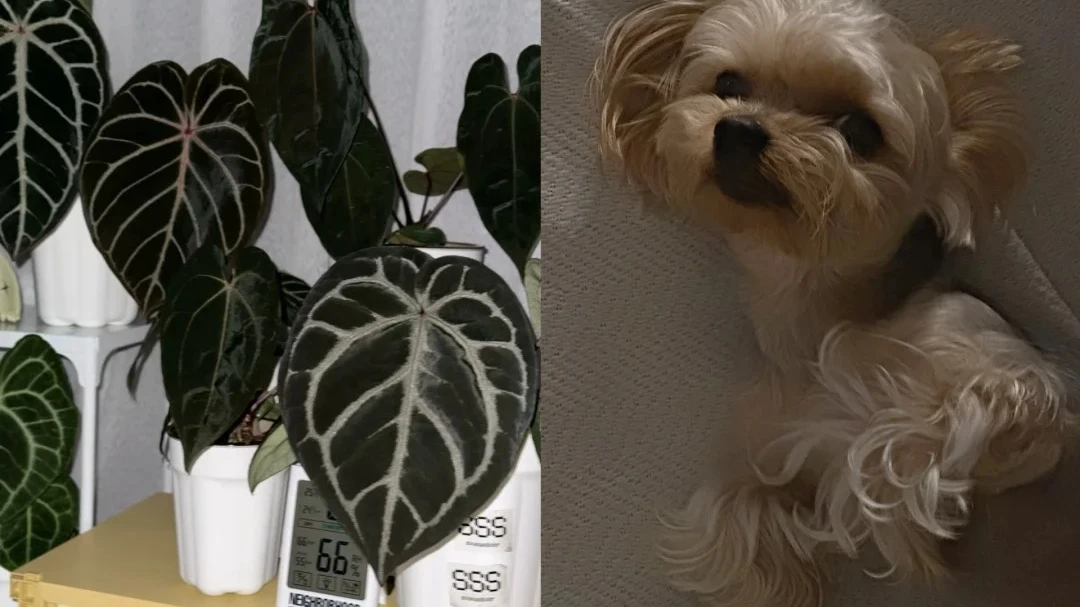
Toxicity & Pet Safety
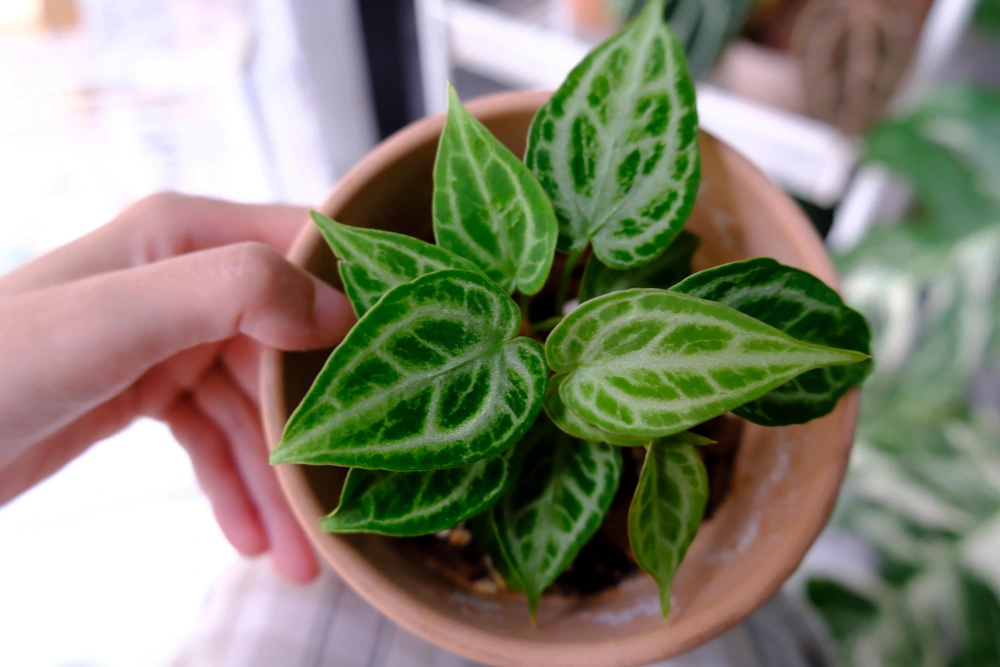
Not every anthurium concern shows up in the leaves. For many people, the bigger question is whether the plant is safe to keep around cats and dogs. Anthuriums are not considered pet-safe, so this section brings together the pages that matter most if you live with animals or are deciding where the plant can realistically go in your home.