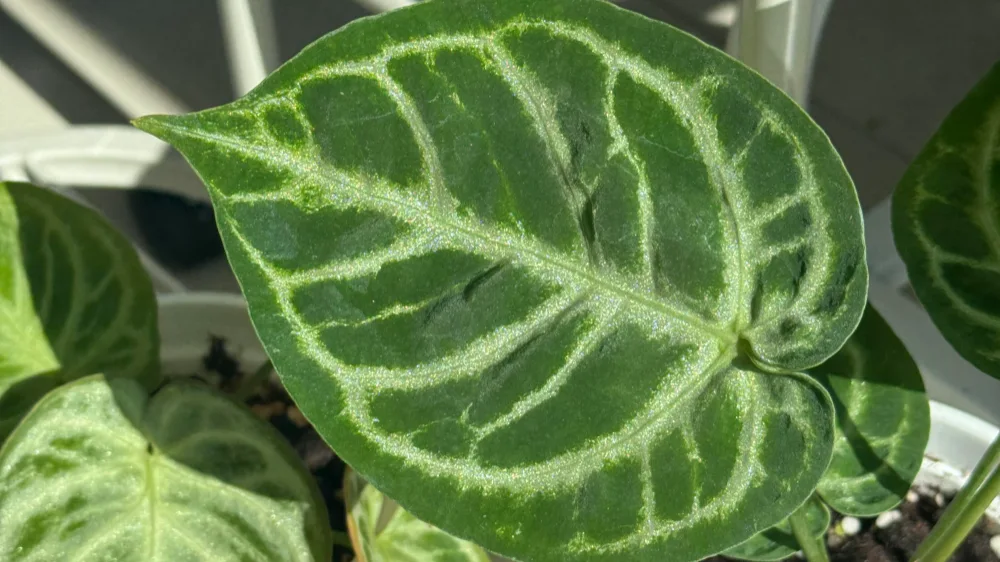
Anthurium Varieties: Velvet, Strap-Leaf, Bird’s Nest, and Collector Types
Anthuriums can look wildly different from one another. Some are grown for dark velvety leaves with bright veins, some for long pendant foliage, some for broad bird’s nest forms, and some for heavily textured, collector-type foliage that barely resemble the common flowering types most people recognize first.
This page organizes anthurium varieties in a more useful way: by leaf type, growth form, and the kinds of plants growers usually search for or compare. Instead of treating all anthuriums as one category, it helps you quickly see which groups tend to feel easier, more dramatic, more compact, more pendulous, or more collector-focused
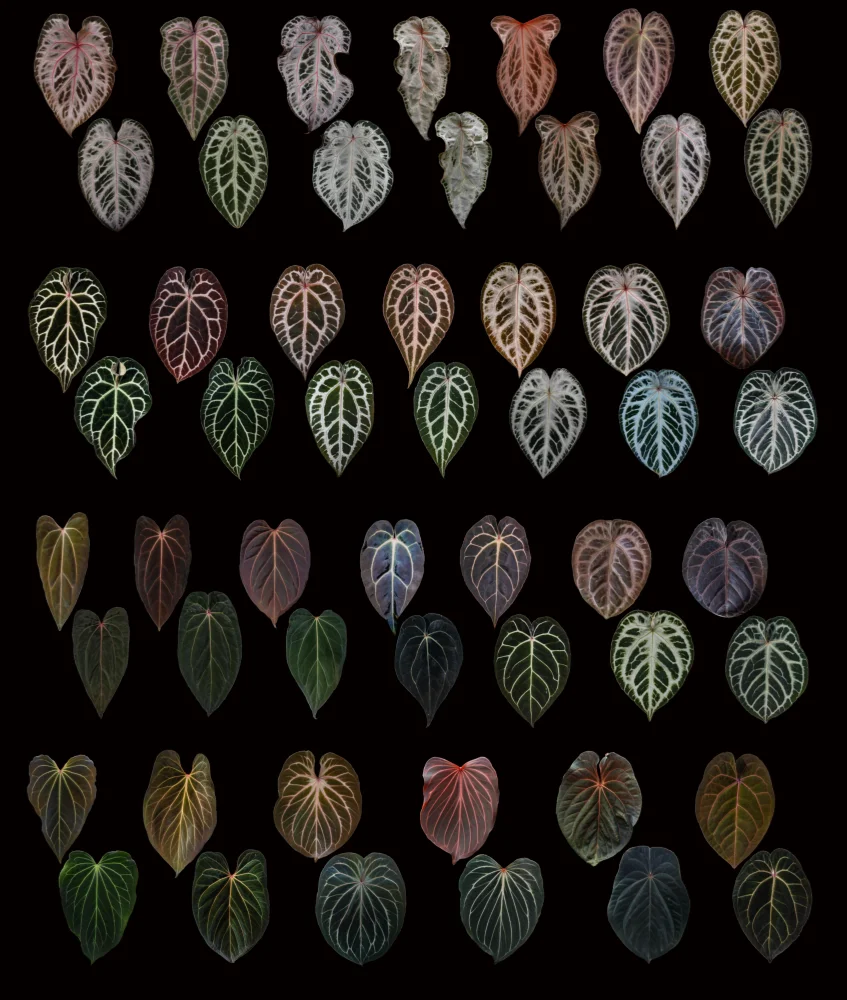
What Makes Anthurium Varieties So Different?
Anthurium varieties differ in more than just size or color. The biggest differences usually come from leaf texture, vein pattern, growth form, and how each plant behaves in home conditions. Some stay compact and architectural, some produce long pendant leaves, some form broad bird’s nest rosettes, and some are prized mainly for their thick texture, dramatic lobes, or dark velvety surfaces. Once you stop treating all anthuriums as one kind of plant and start sorting them by leaf character, the whole group becomes much easier to read.
Velvet Anthuriums
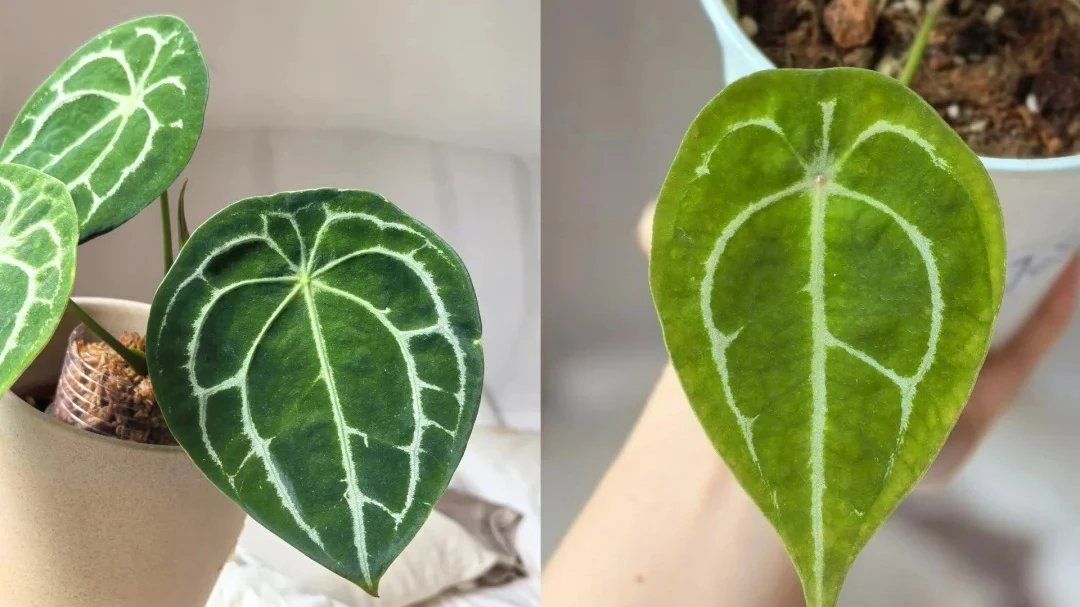
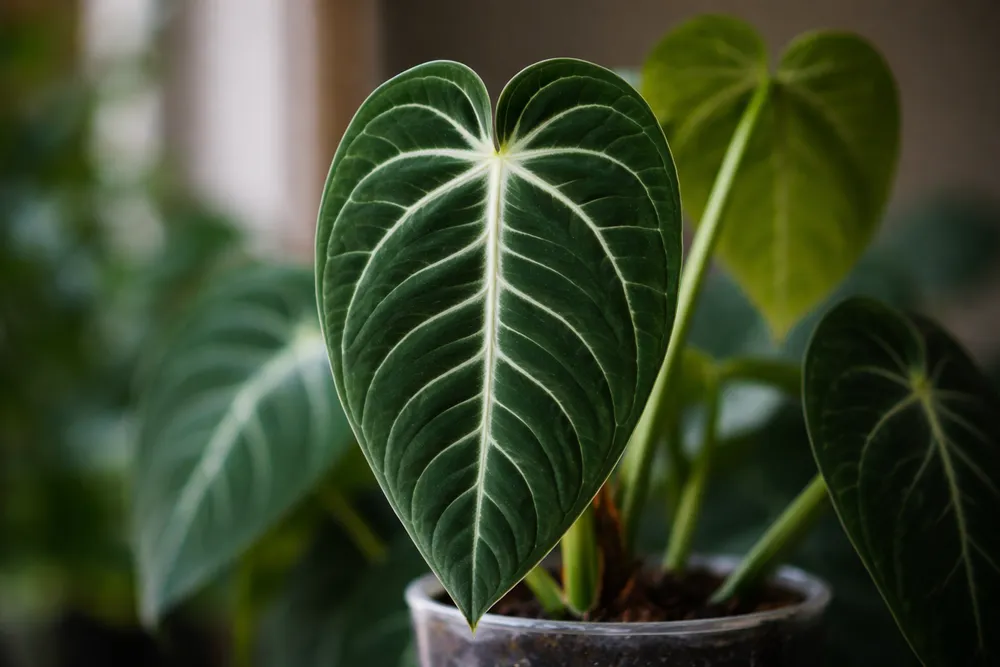
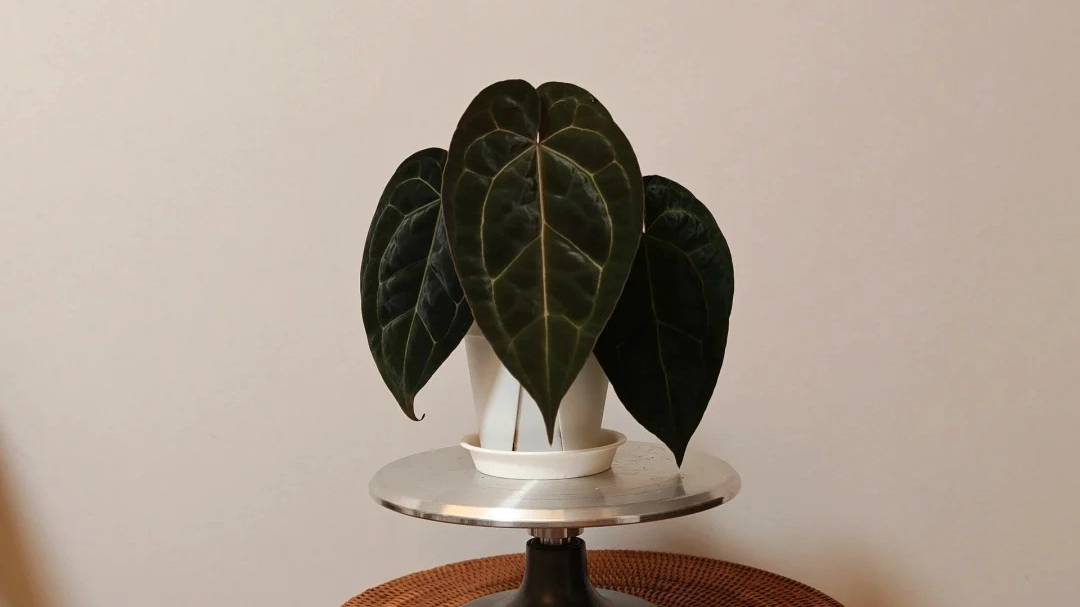
Velvet anthuriums are usually the group people fall for first. Their appeal comes from soft leaf texture, bright venation, and that dramatic contrast between dark surface color and lighter veins. Some stay relatively manageable indoors, while others become much fussier once you try to keep the foliage large, clean, and damage-free.
Long-Leaf Anthuriums
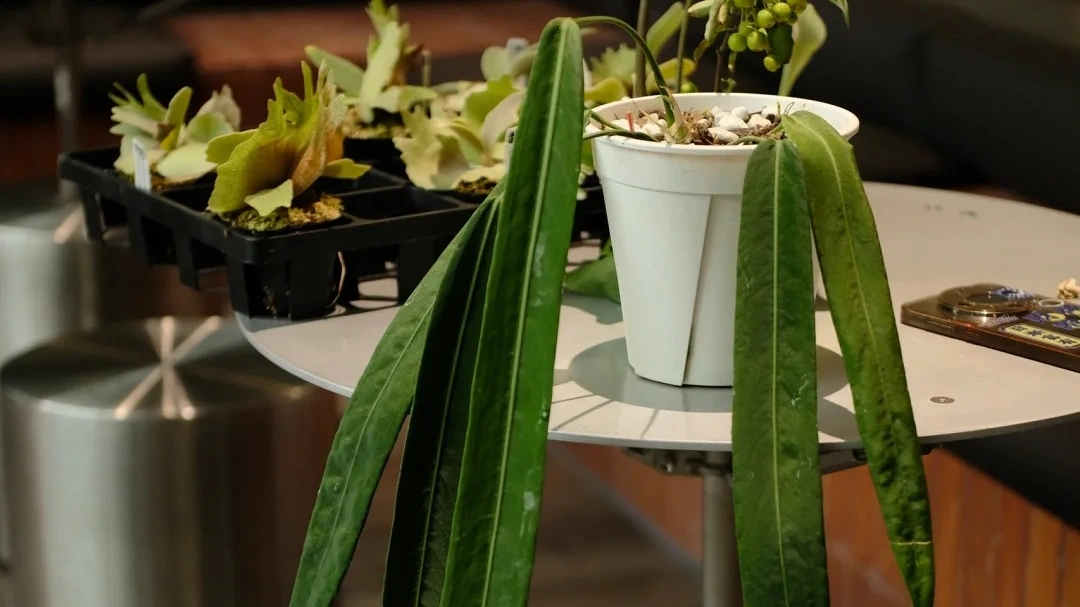
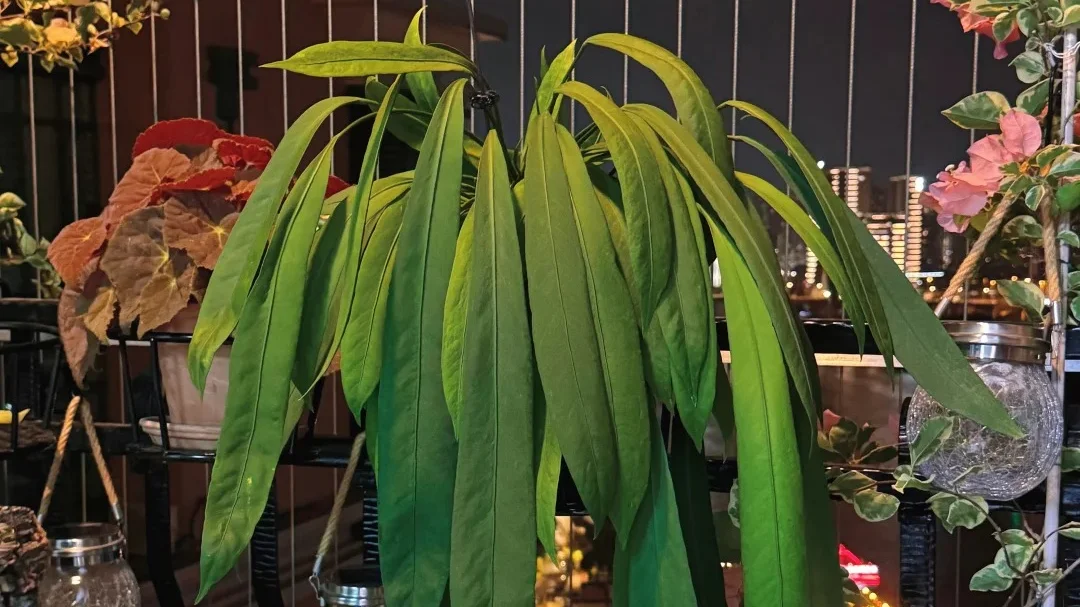
Long-leaf anthuriums stand out for movement more than thickness or vein contrast. Instead of broad heart-shaped foliage, they produce narrow pendant leaves that give the plant a more relaxed, hanging look. This group often feels lighter and more tropical, but it also needs enough space for the foliage to extend naturally without bending or tearing.
Bird’s Nest Anthuriums
Bird’s nest anthuriums grow in a very different way from the velvet and strap-leaf groups. Instead of producing long pendant blades or dramatic vein contrast, they build dense rosettes with broader leaves and a more architectural presence. They often feel sturdier and fuller in a room, especially once mature.
Hookeri
Superbum
Plowmanii
Statement Anthuriums
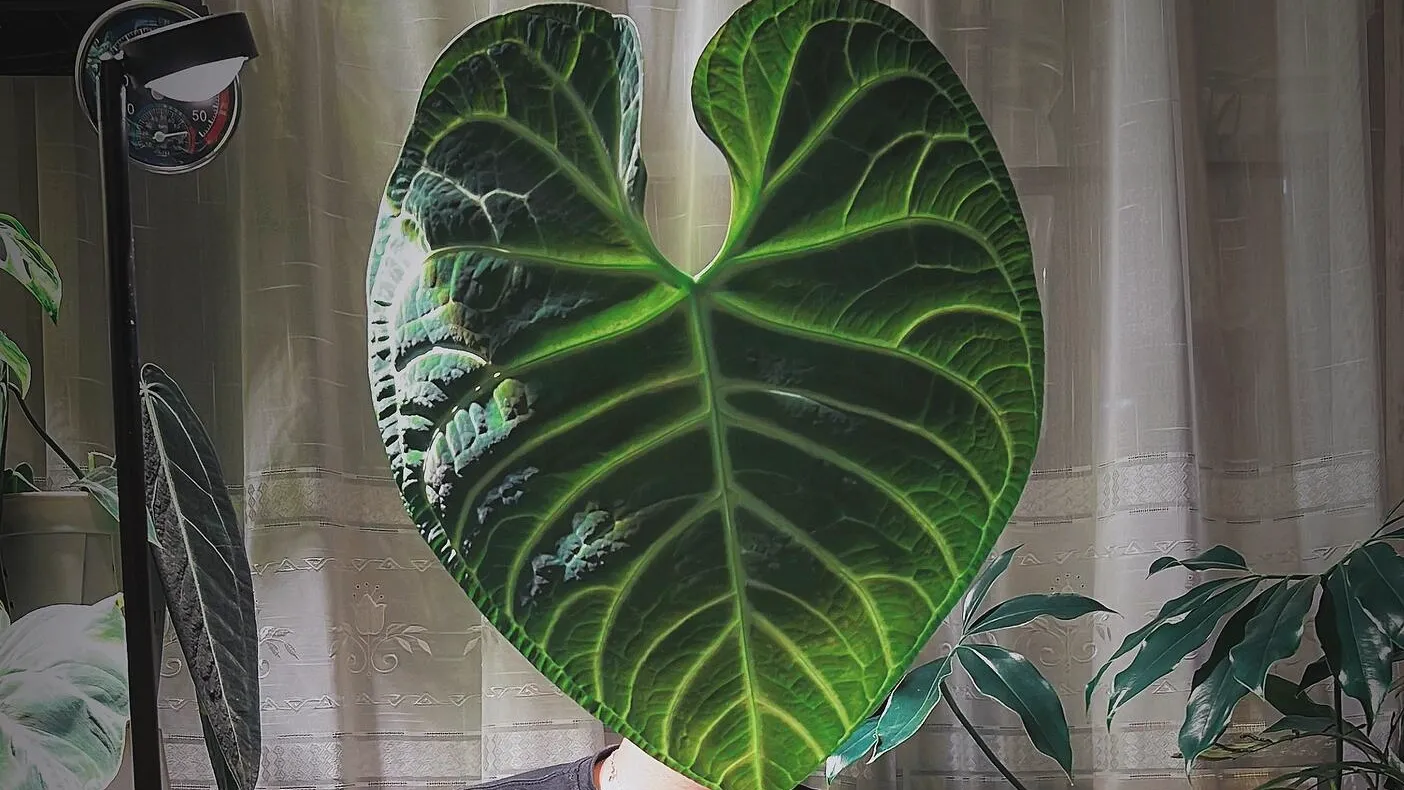
Some anthuriums become search favorites not because they are easy, but because they look unforgettable. This group includes the plants people usually mean when they want something dramatic: oversized quilted texture, long regal foliage, or leaves that instantly stand out in photos even before the plant is mature.
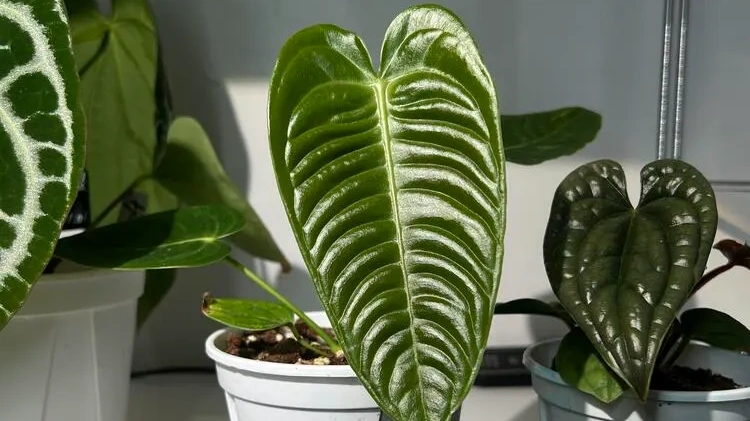
Rare and Collector Anthuriums
Rare and collector anthuriums are the plants people usually move toward after the basics. Some are harder to source, some are selected for very specific leaf traits, and some are famous mainly within collector circles. They are not always the easiest group to grow, but they are often the most distinctive.