
Anthurium Care: The Basics That Change Everything Indoors
Many anthurium problems do not start with dramatic mistakes. They start with small things that stay slightly off for too long — soil that stays wet a bit too long, light that is just a little too weak, a plant that gets fed without growing strongly enough to use it, or roots that are sitting in a mix that no longer works the way it used to.
That is why I do not think anthurium care is mainly about chasing perfect humidity or copying a care chart. Indoors, the biggest difference usually comes from understanding how the plant dries, how it responds to light, and whether the roots and leaves are actually moving forward.
The guides below cover the care topics that matter most first: watering, light, soil, feeding, propagation, repotting, and blooming. If your anthurium is struggling — or simply not doing much — these are the places I would check before anything else.
Watering
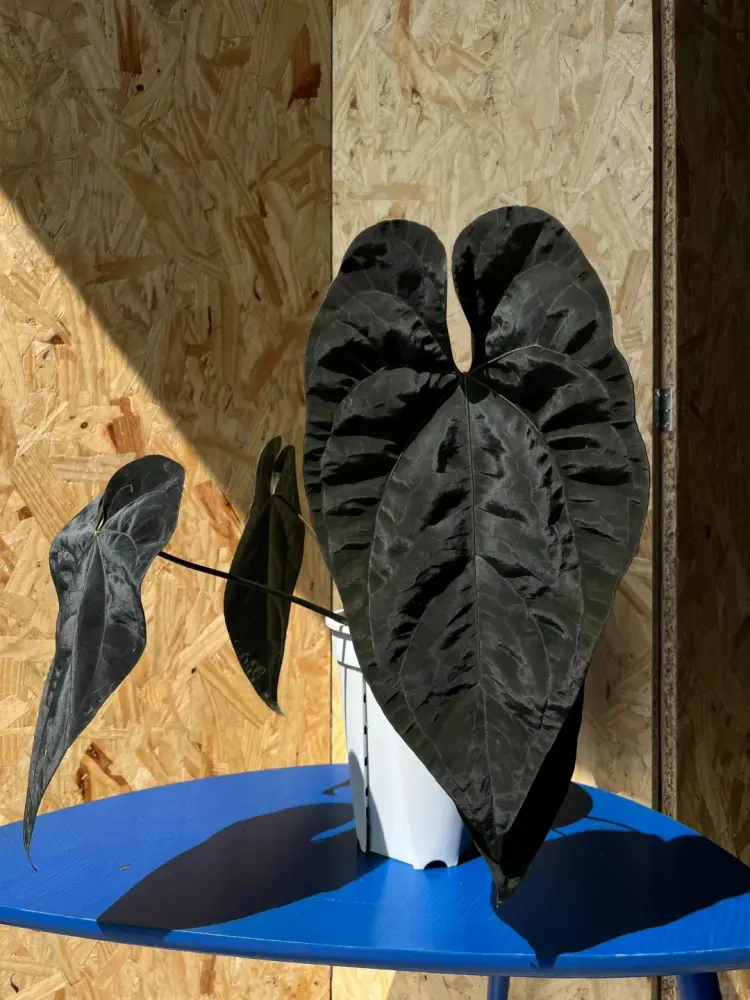
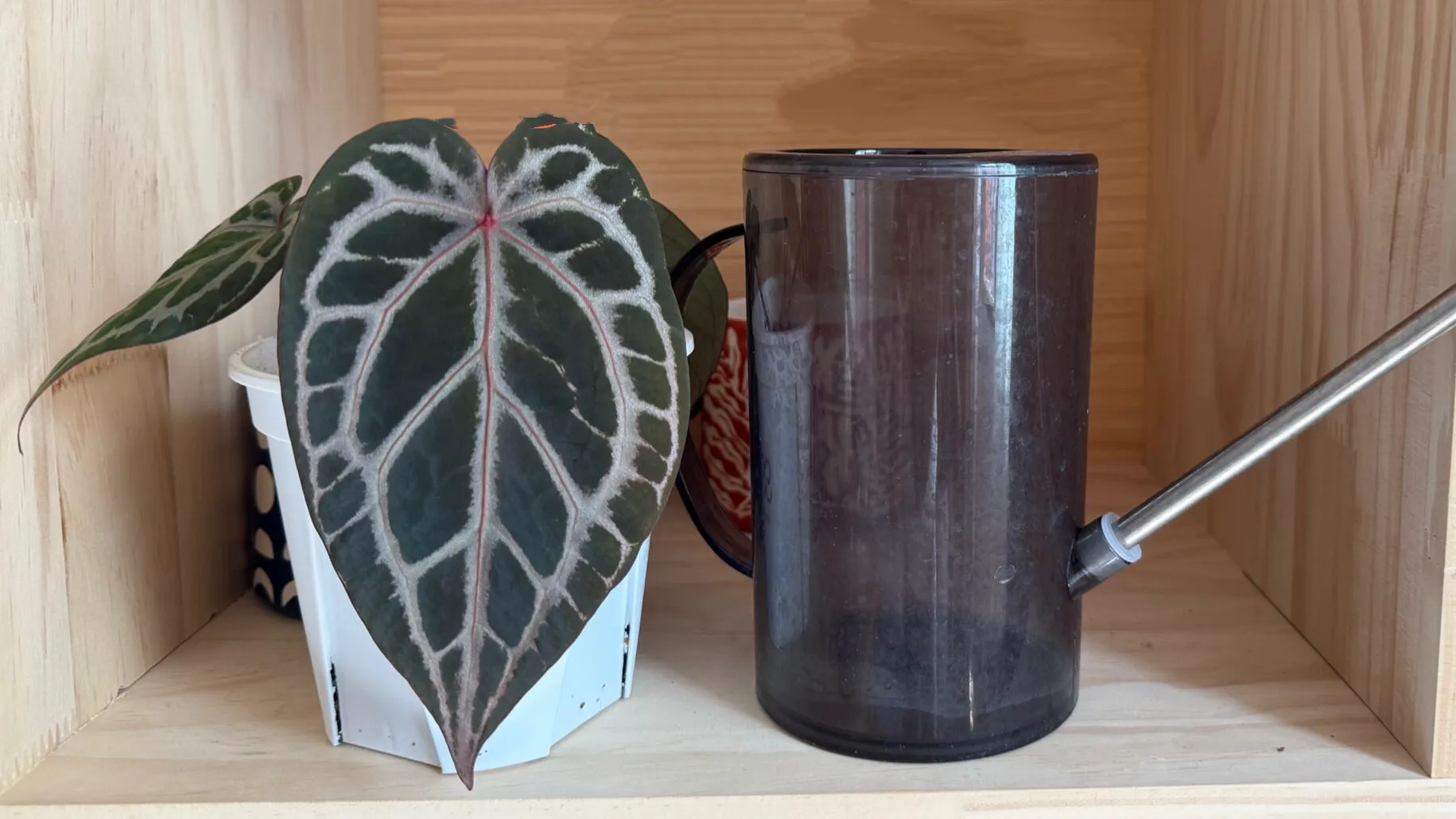
Most anthuriums are not ruined by one heavy watering. They are ruined by staying too wet too often without enough air at the roots. That is why I care much more about how the mix behaves over several days than about following a fixed schedule. If you are unsure where your plant’s problems began, watering is usually the first place worth checking.
Light
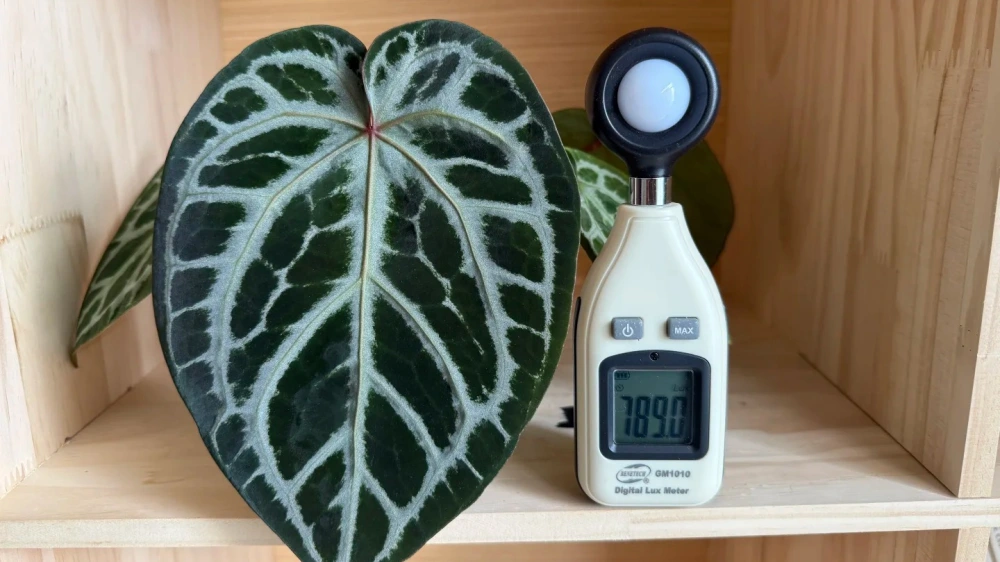
A lot of anthuriums will sit in mediocre light without collapsing, which is exactly why light gets underestimated. The plant may stay green, hold old leaves, and look “fine” for months while producing smaller foliage, weaker texture, or no flowers at all. Good light does not solve everything, but weak light quietly limits almost everything else.
Soil
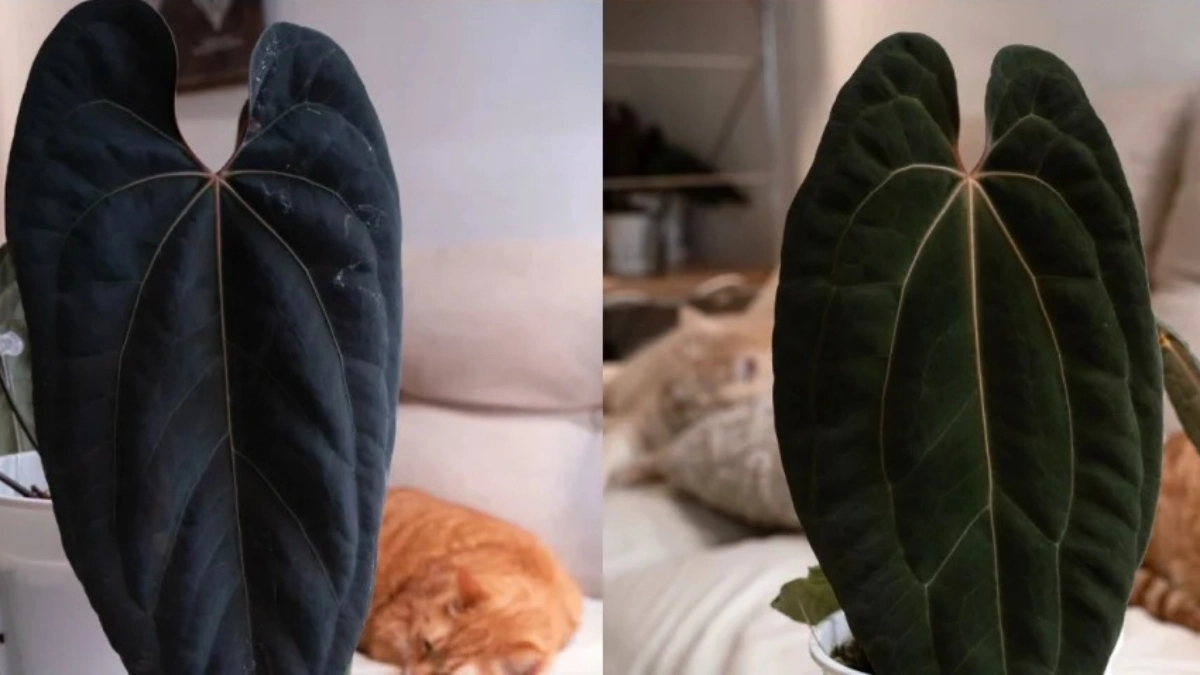
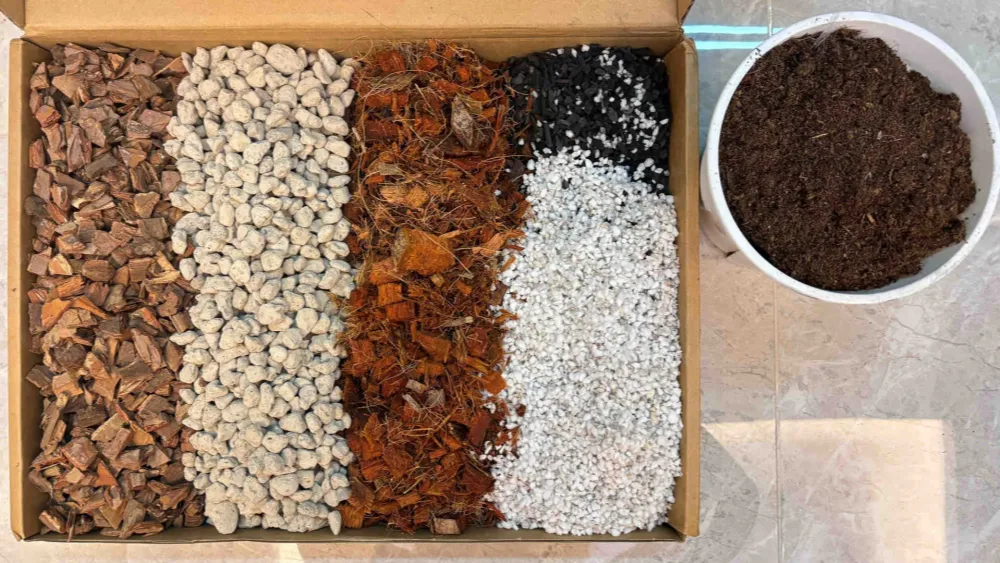
With anthuriums, soil is really about root behavior. If the mix stays dense and stale, watering becomes harder to read and the plant becomes harder to trust. If the mix is too loose and dries unevenly, the opposite problem appears. I do not look for the fanciest recipe. I look for a mix that keeps roots breathing and still gives me a usable watering rhythm.
Fertilizer
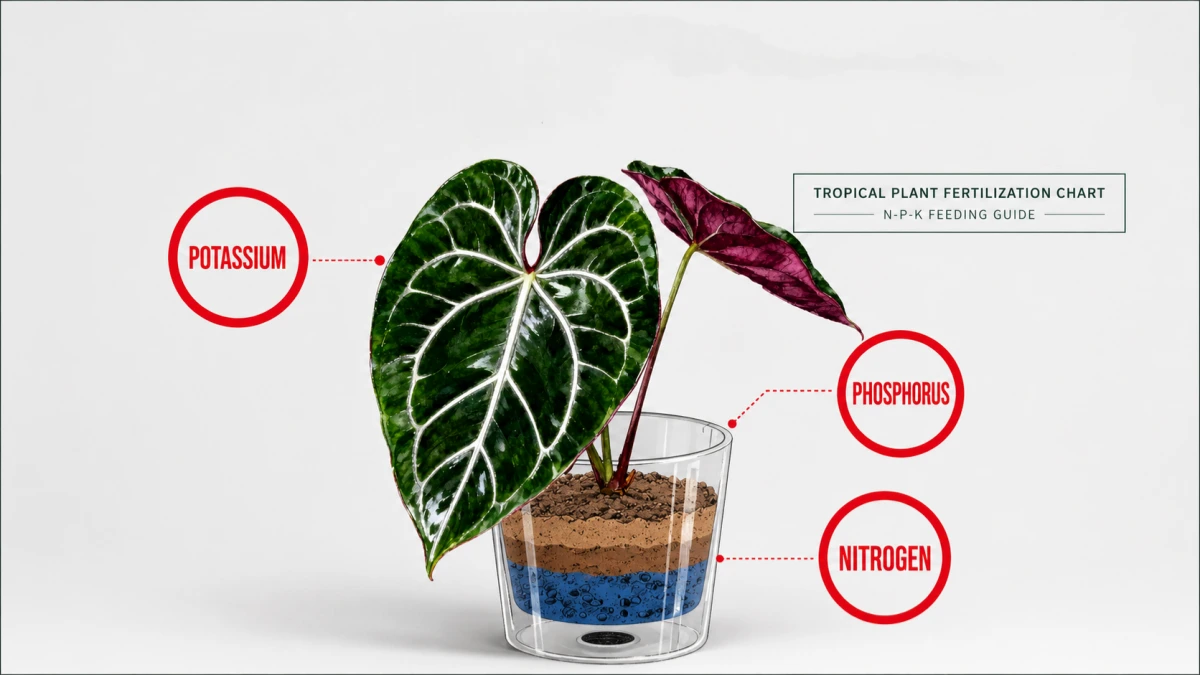
Fertilizer helps most when the plant is already in a setup that supports growth. If the light is weak or the roots are tired, feeding harder usually does not create better results — it just adds pressure to a plant that is not ready to use it well. I think of feeding as support, not a shortcut.
Propagation & Repotting
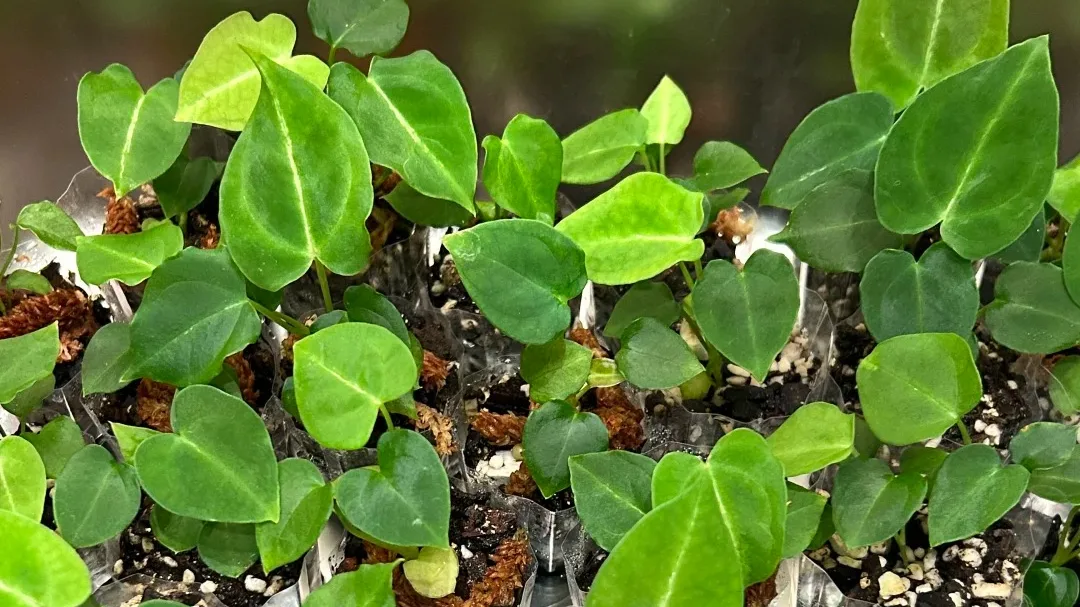
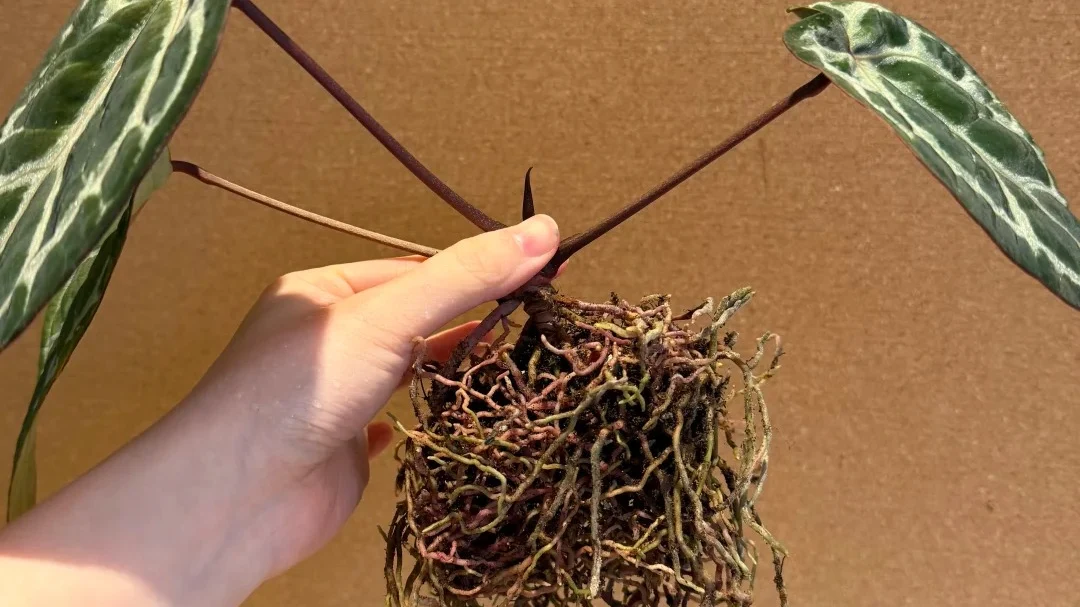
These are the two care jobs people often rush. Propagation sounds exciting, and repotting feels productive, but both go much better when the plant is already active and the root system is doing real work. Anthuriums usually respond best when you disturb them for a clear reason, not just because you feel like it is time.
Blooming
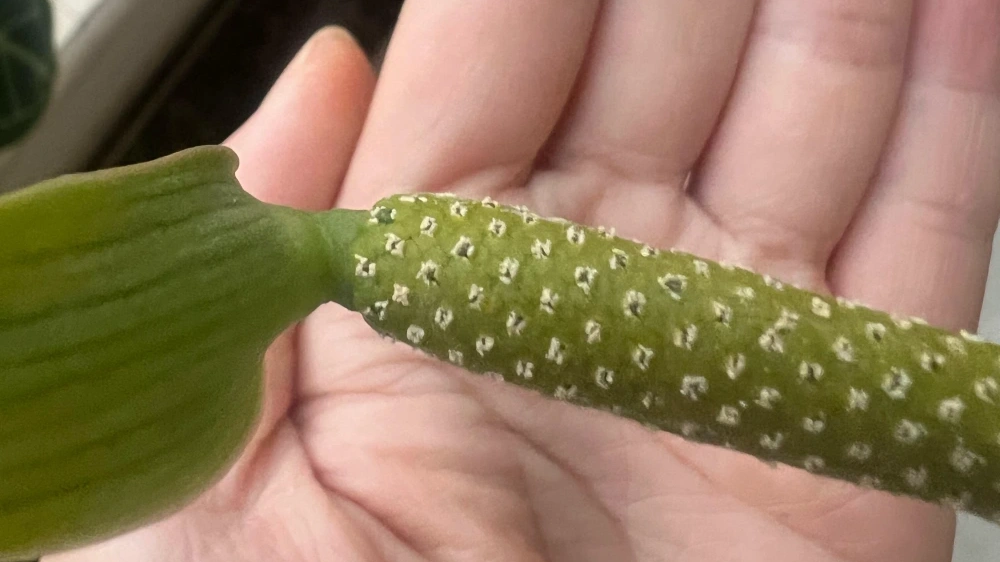
When an anthurium stops blooming, people often look for one missing trick. In reality, blooming is usually the result of the whole setup being good enough for long enough. Stronger light, better roots, steadier feeding, and consistent growth all matter more than trying to force flowers out of a plant that is only barely maintaining itself.