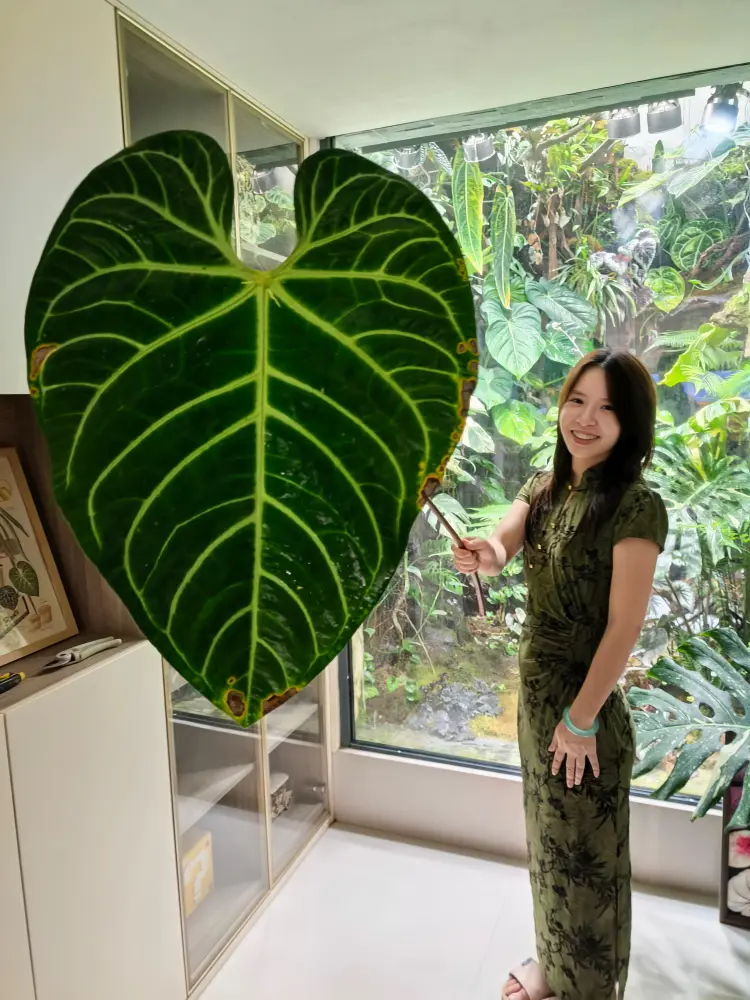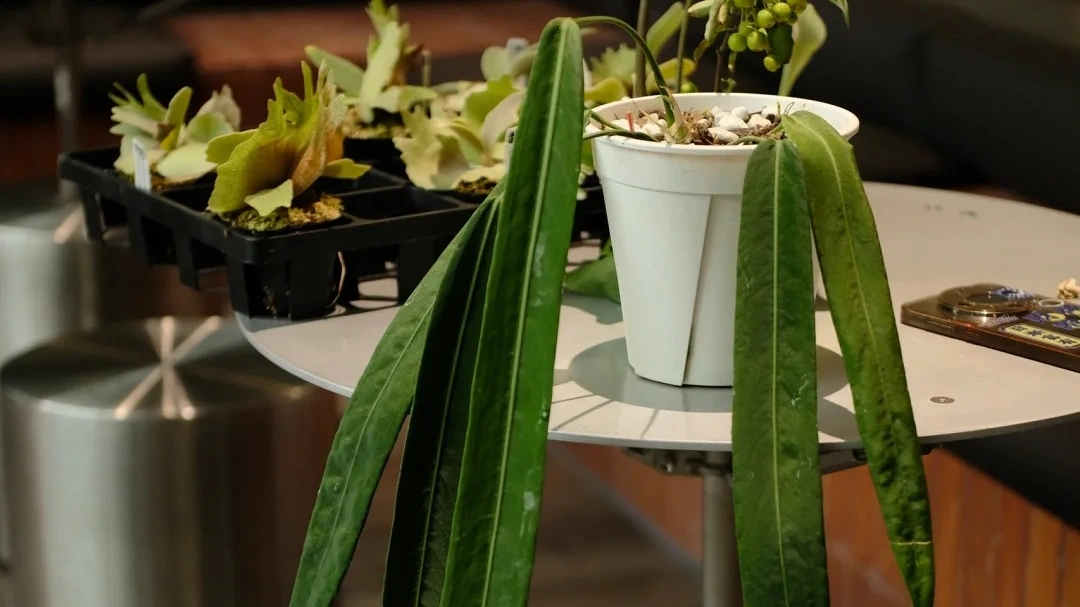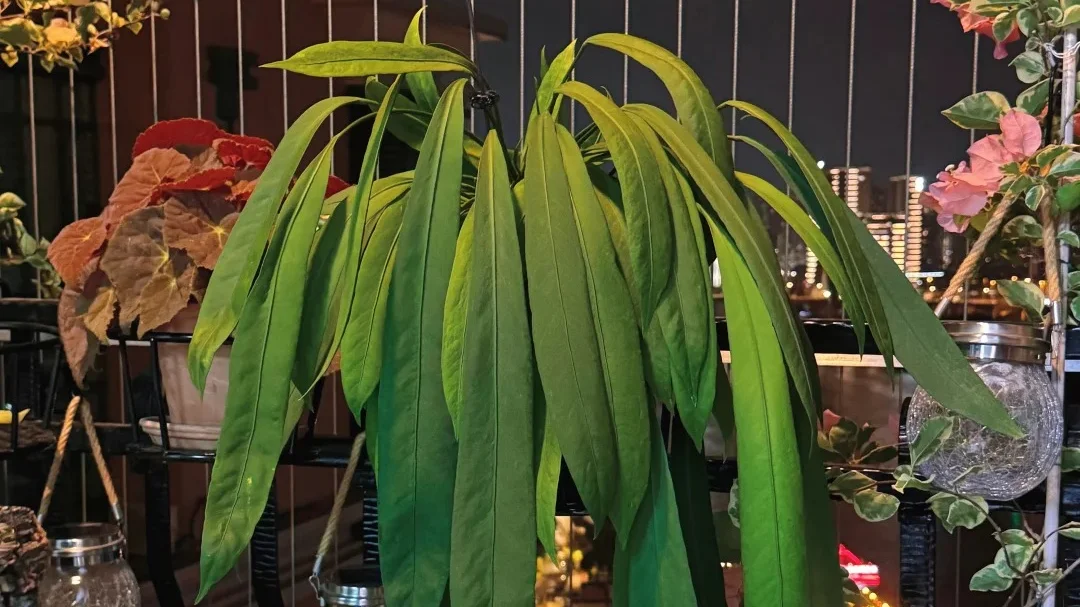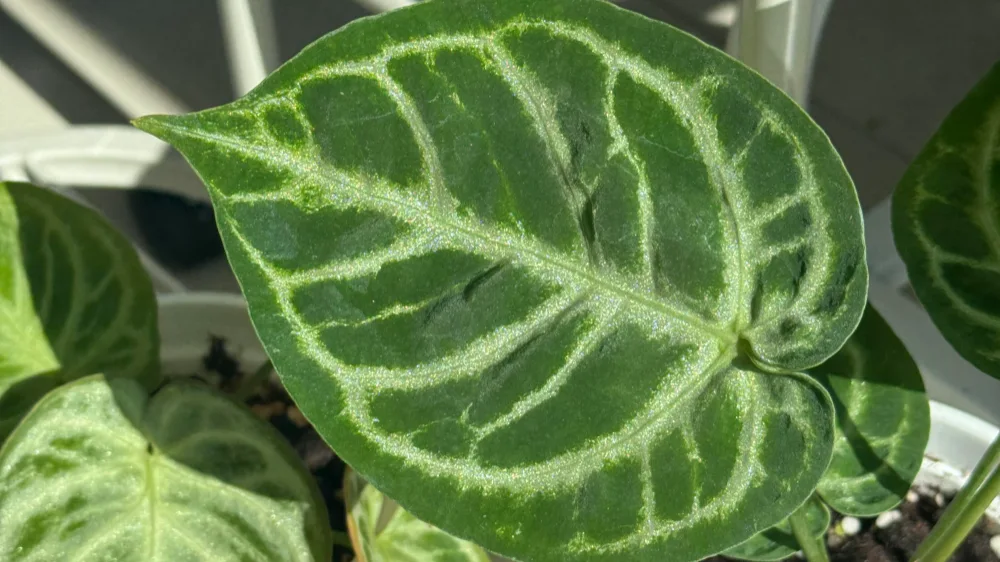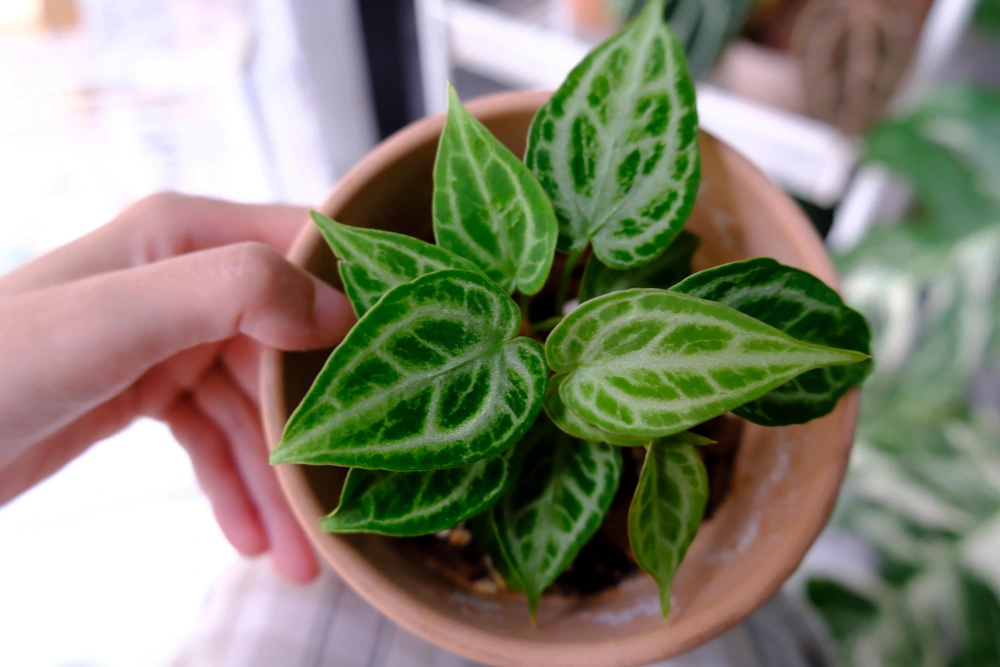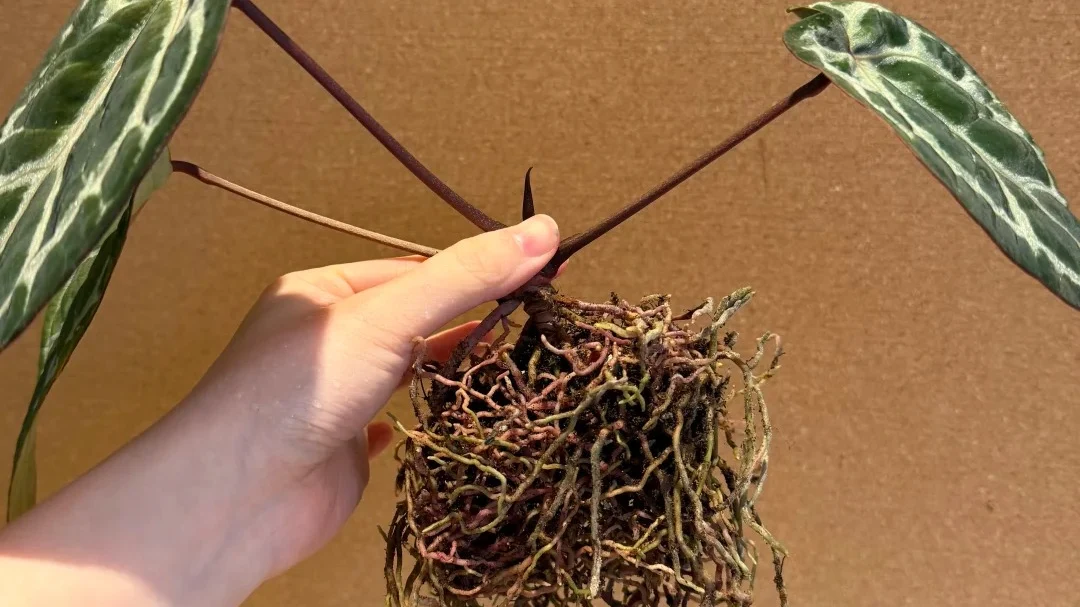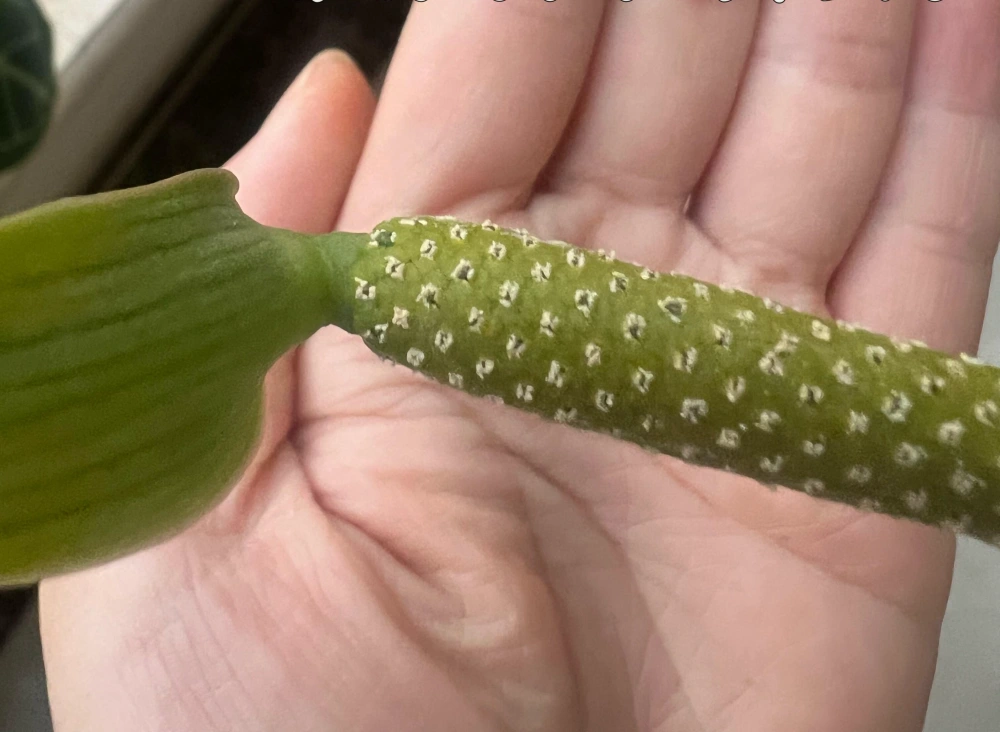
Anthuriums do need fertilizer indoors, but I do not treat fertilizer as the first fix when a plant starts looking weak. In my experience, feeding only helps when the plant already has enough light, healthy roots, and some sign of active growth.
In nature, anthuriums receive slow, steady nutrition from decomposing leaves, bark, rainwater, and organic matter around their roots. In a pot, that cycle is much more limited. The mix only holds so much nutrition, and over time a long-term indoor plant usually needs some support.
The important part is timing. If an anthurium has soggy soil, weak roots, poor light, or has stopped growing in winter, fertilizer will not solve the problem. I prefer to fix the growing conditions first, especially the watering rhythm, then feed lightly once the plant is actually growing again.
Why Indoor Anthuriums Eventually Need Feeding
A pot is a limited growing system. Even if you start with a good aroid mix for anthuriums, the nutrients in that mix will not last forever. The plant uses some of them, and regular watering can gradually rinse away part of the soluble nutrients over time.
This is why I do not like saying, “Anthuriums do not need fertilizer.” A newly potted plant in fresh mix may be fine for a while, especially if it is growing slowly. But a plant that has been in the same pot for months, pushing new leaves and roots, will eventually need some nutrient support.
This is why I do not like saying, “Anthuriums do not need fertilizer.” A newly potted plant in fresh mix may be fine for a while, especially if it is growing slowly. But a plant that has been in the same pot for months, pushing new leaves and roots, will eventually need some kind of nutrient support.
For foliage anthuriums, light feeding helps support steady new leaves, stronger root activity, and better leaf texture. For flowering anthuriums, it can also help with bloom size, color, and consistency — as long as the plant also has enough light and warmth.
The key word is support. Fertilizer does not replace good light, healthy roots, or the right watering rhythm. It simply helps an indoor anthurium keep growing once the limited nutrients in the pot begin to run low.
Signs Your Anthurium May Need Fertilizer
An anthurium that needs fertilizer usually does not fail suddenly. It tends to keep growing, but the new growth looks weaker than before.
I start to consider fertilizer when I see these signs over time:
- New leaves keep coming in smaller than the older leaves.
- The leaves look thinner, softer, or paler than usual.
- Growth is still happening, but it feels weak and slow.
- The plant has been in the same mix for many months without feeding or refreshing.
- Flowering anthuriums produce smaller, paler, or fewer blooms.
But I do not use one small leaf as proof of nutrient deficiency. One weak leaf can happen after shipping, repotting, winter slowdown, or a change in light. If yellowing is the main symptom, I would also compare it with the patterns in my anthurium yellow leaves guide before feeding.
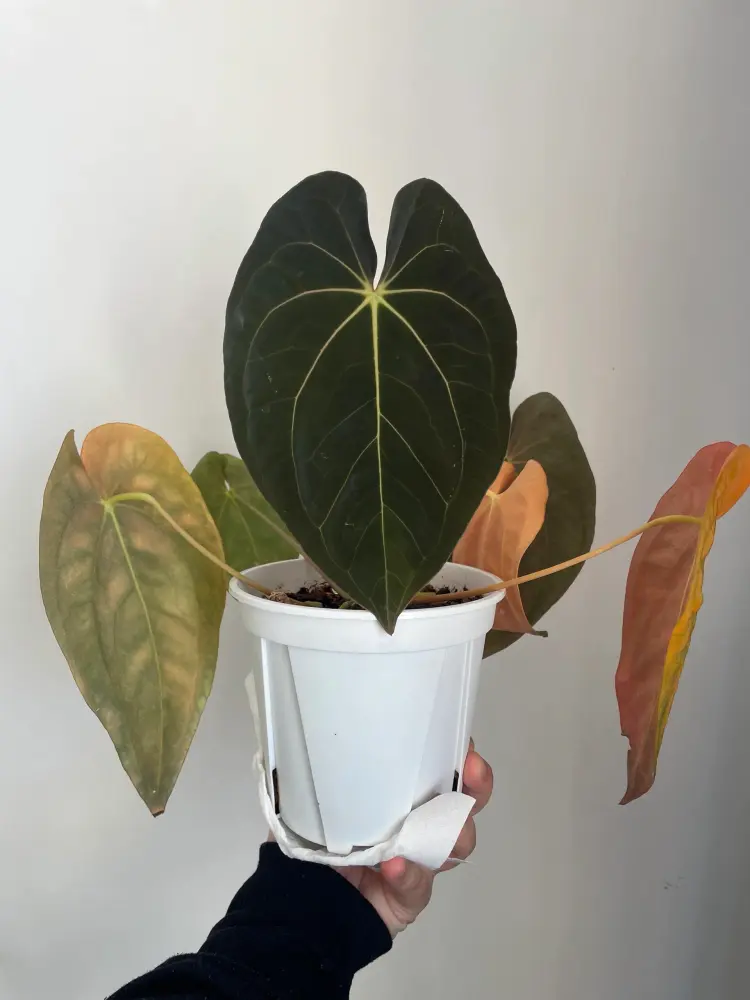
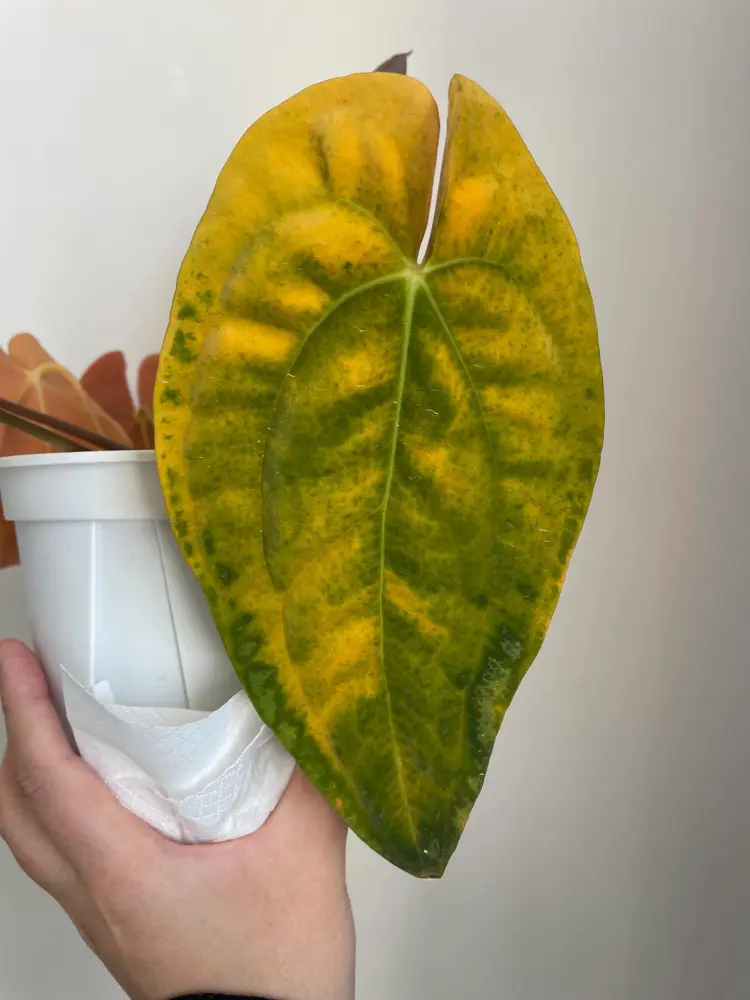
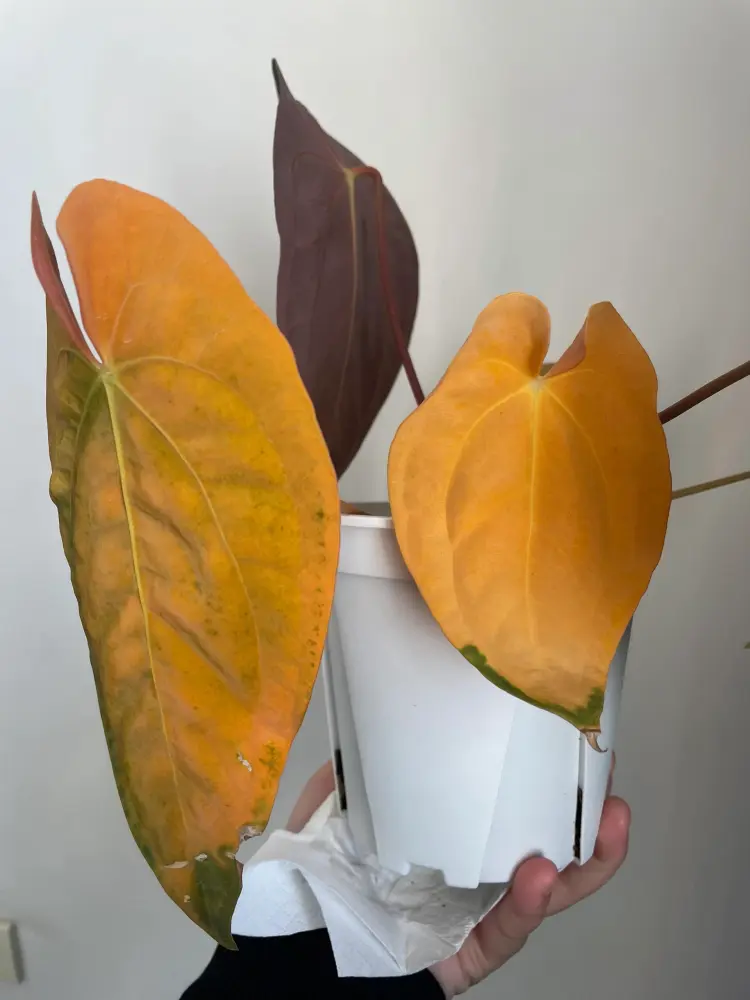
Before I feed, I check these things first:
- Is the plant getting enough light?
- Is the pot drying at a normal pace?
- Could the roots be weak or damaged?
- Is the mix old, compacted, or staying too wet?
- Has the plant recently been repotted or stressed?
- Is it winter, or is the room colder than usual?
If the roots are struggling or the pot stays wet for too long, fertilizer is not the first fix. I only treat weak growth as a possible feeding issue when the plant is otherwise stable.
My rule is simple: I look at the whole plant, not one leaf.
When I Fertilize Anthuriums Indoors
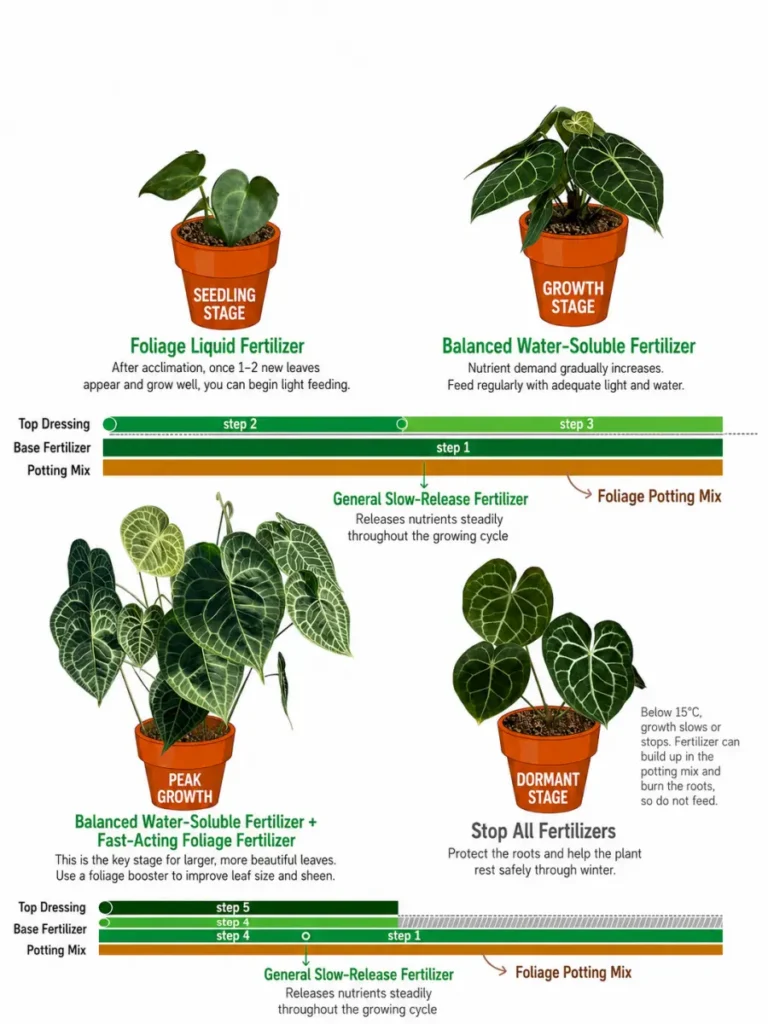
I fertilize anthuriums only when they are actively growing. For me, that usually means the plant is pushing new leaves, the pot is drying at a normal pace, and the roots seem healthy enough to actually use the nutrients.
During Active Growth
From spring to early fall, I usually feed lightly every 2–4 weeks.
I do not use full-strength fertilizer for most indoor anthuriums. A diluted dose is usually enough, especially in a normal home where light and humidity are not as strong as a greenhouse.
My usual range is:
- 1/4 strength for smaller plants, newly settled plants, or plants that are growing slowly
- 1/2 strength only for plants that are clearly active, healthy, and receiving good light
I would rather feed a little too weak than too strong. Anthuriums respond better to steady support than to heavy feeding.
In Winter or Low Light
In winter, I reduce fertilizer a lot. If the plant is not making new leaves, I usually stop feeding completely.
This is especially true in my indoor setup, where winter light is much weaker. If the plant does not have enough energy to grow, pushing it with fertilizer often leads to stressed roots, brown tips, or weak new growth.
When growth slows down, feeding should slow down too.
After Repotting or Root Stress
I also wait after repotting, especially if I disturbed the roots or removed old mix.
A freshly repotted anthurium needs time to settle. I do not want fertilizer sitting around weak or healing roots before the plant is ready to use it.
I usually resume feeding only when I see signs that the plant is stable again, such as:
- a new leaf starting to move
- fresh root growth
- the pot drying normally again
- leaves holding themselves well without constant drooping
Once the plant is clearly growing again, I start back gently, usually at 1/4 strength first.
When I Would Not Fertilize an Anthurium
I am more careful about when not to fertilize than when to fertilize. A weak anthurium does not always need more food. Very often, it needs better roots first.
I do not fertilize when the potting mix stays wet for too long. If the plant is not using water normally, it probably will not use fertilizer normally either. This is especially true when the leaves are drooping but the soil still feels moist, which can be one of the early overwatering signs in anthuriums. To me, that is a warning sign to check the roots, not a reason to feed.
I also stop fertilizer when I suspect root rot, or when new leaves are stuck, twisted, or deformed and I do not know what the roots look like. In that situation, adding fertilizer can create more pressure around roots that are already struggling.
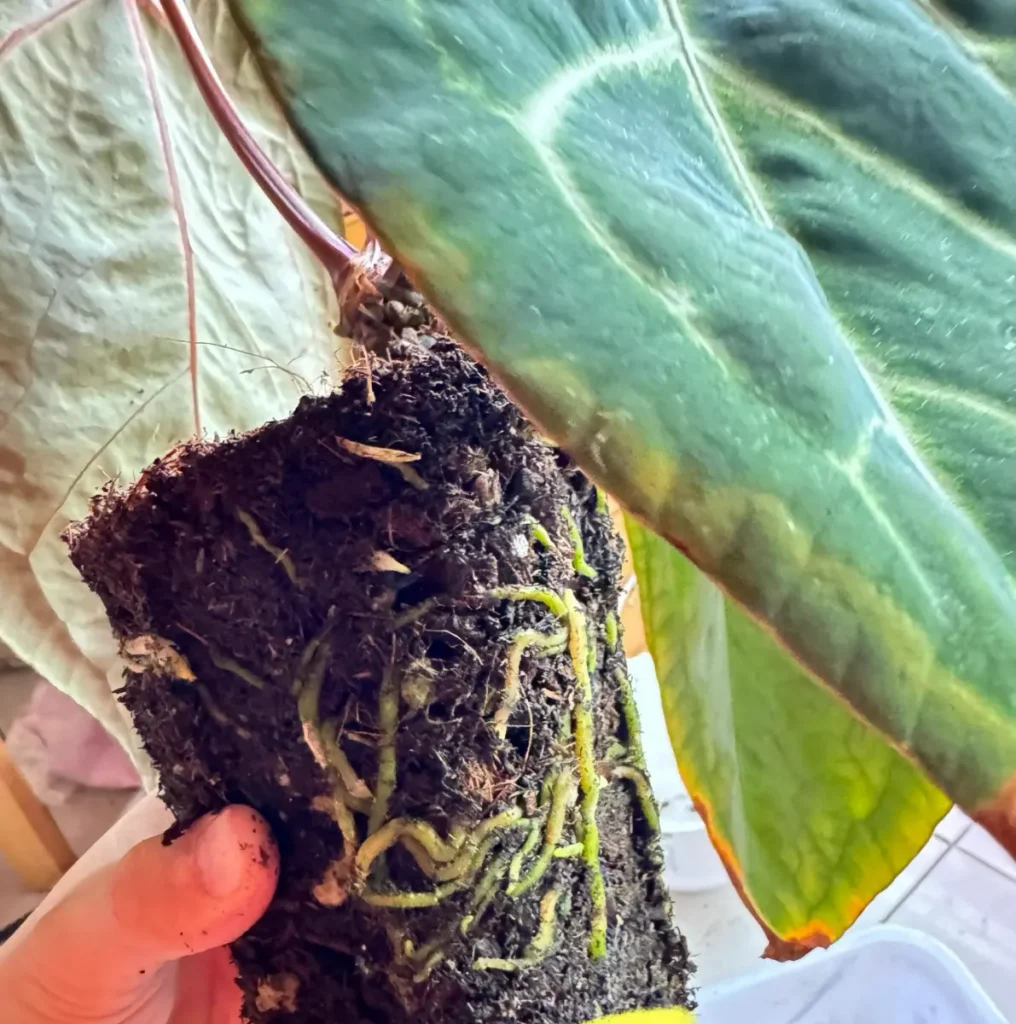
I would also wait if the plant is:
- newly purchased and still adjusting
- recently repotted
- recently root-pruned
- sitting in cold indoor conditions
- not producing any new growth
- stressed from poor light, overwatering, or a heavy mix
This matters even more in winter. When the room is cooler and the plant has slowed down, fertilizer can sit in the mix longer than the plant can use it. That is when brown tips, yellow edges, and root stress become more likely.
My rule is simple: if an anthurium is not drinking normally, I do not feed it. Fertilizer cannot help roots that are already struggling to function. I would rather correct the light, warmth, airflow, and watering rhythm first, then start feeding again once the plant is clearly growing.
What Fertilizer Is Best for Anthuriums?
For most indoor anthuriums, I prefer a balanced liquid fertilizer. It is easy to dilute, easy to adjust, and easy to stop if the plant slows down.
I usually do not look for anything too strong or too complicated. A regular balanced houseplant fertilizer can work well, as long as it is diluted properly. For my own plants, I would rather feed at 1/4 to 1/2 strength than use a full-strength dose and risk stressing the roots.
Liquid fertilizer also gives me more control. If the plant is growing well, I can feed a little more regularly. When winter arrives, the pot starts drying more slowly, or growth pauses, I can simply stop.
Slow-release fertilizer can also work, but I use it more carefully. It is better for plants that are already stable and actively growing. I would not use it on an anthurium with weak roots, a recently repotted plant, or a plant going into winter slowdown. Once it is mixed into the pot, you cannot stop it as quickly as liquid fertilizer.
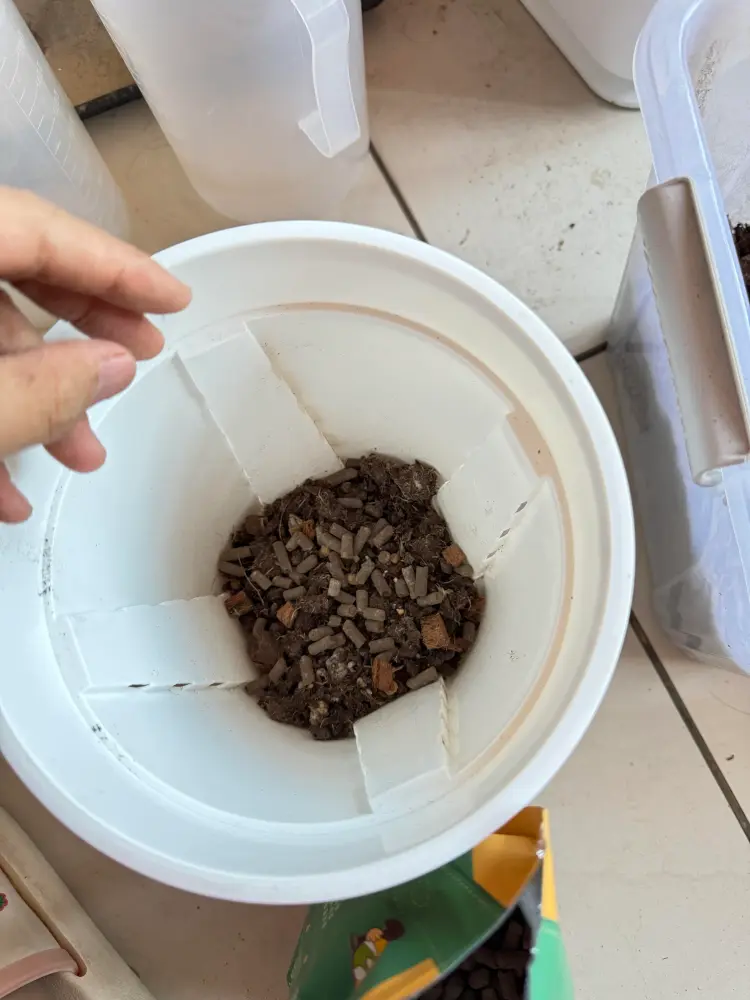
Organic fertilizer can be useful too, especially if it is mild. But indoors, I am cautious with it. Some organic fertilizers smell, and if the mix stays too damp, they can attract fungus gnats or encourage surface mold. In a warm, airy setup, this may not be a big issue. In a cooler home with slow-drying pots, I would be more careful.
So my practical choice is simple: a diluted balanced liquid fertilizer is the safest starting point for most indoor anthuriums. It gives enough support without forcing the plant too hard.
Leaf Anthuriums vs Flowering Anthuriums
Not all anthuriums are grown for the same reason, so I do not feed them with exactly the same goal in mind.
For velvet leaf anthuriums, such as Anthurium crystallinum, Anthurium clarinervium, Anthurium forgetii, Anthurium regale, and Anthurium warocqueanum, I am mainly feeding for foliage and root strength.
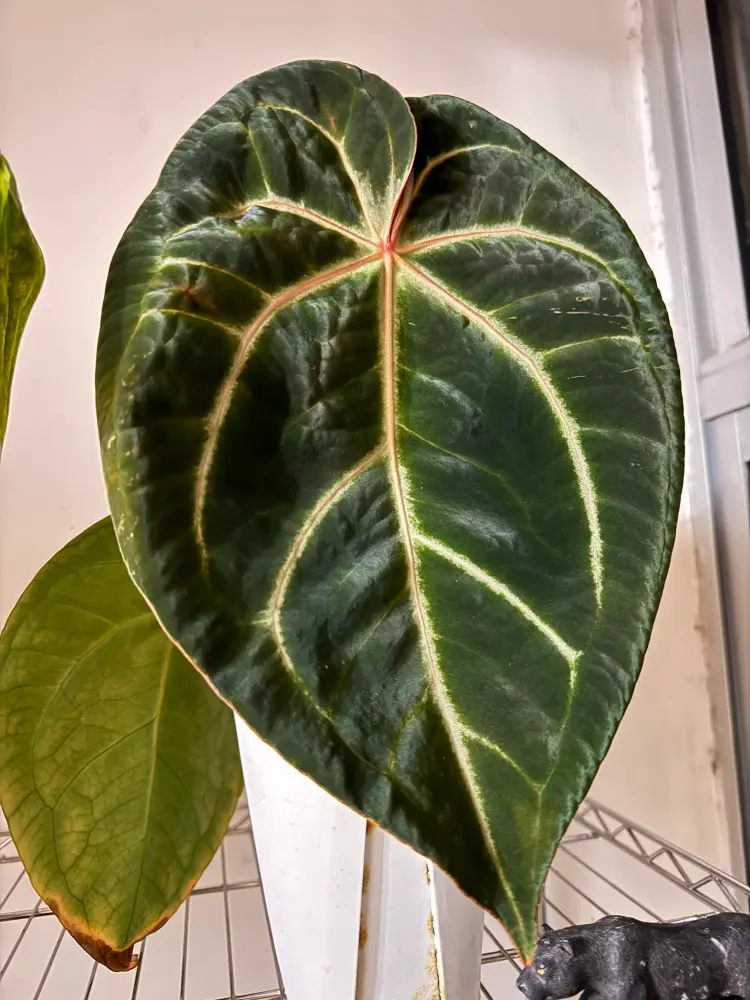
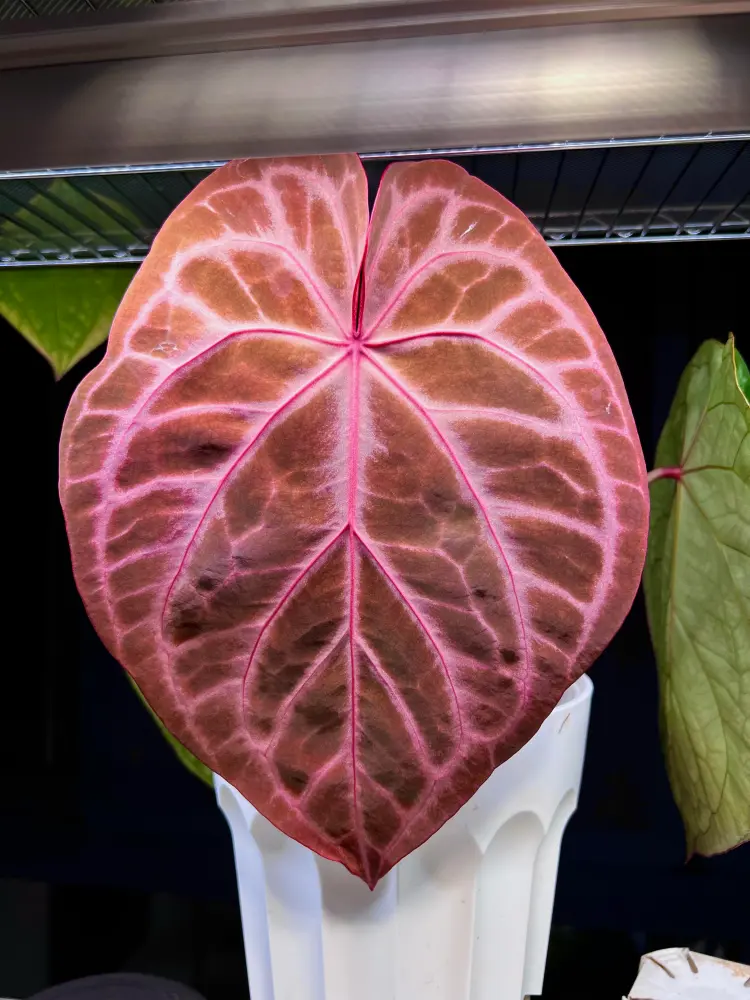
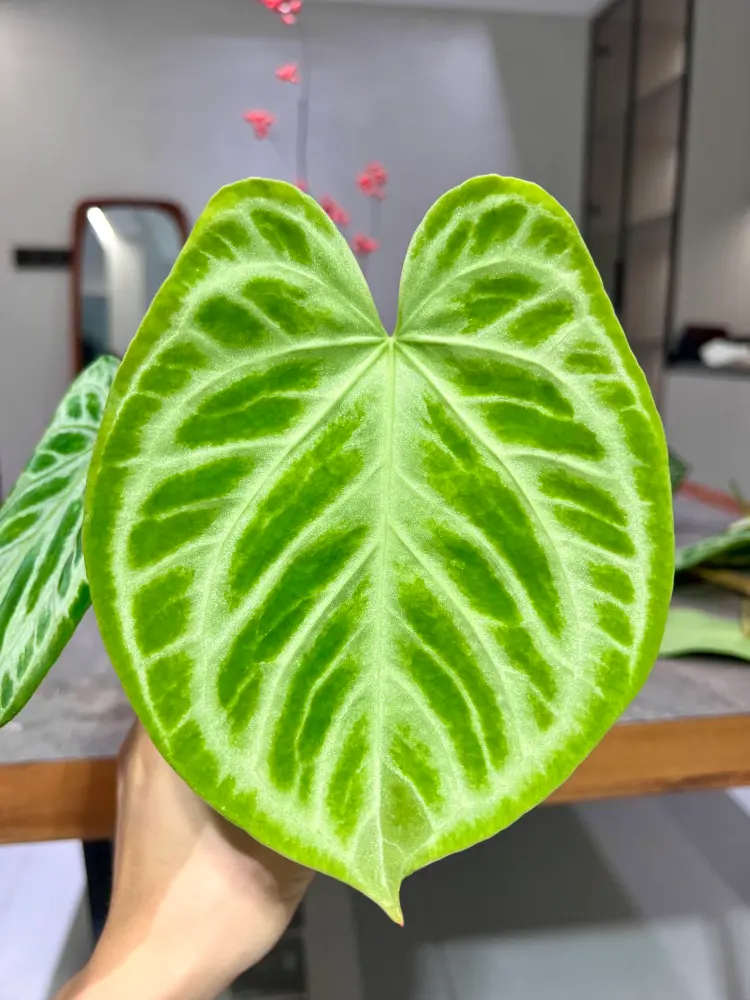
With these plants, I do not worry much about bloom fertilizer. A high-phosphorus “flower booster” is not my first choice for a plant I am growing mainly for large, healthy leaves. I would rather use a diluted balanced fertilizer and keep the plant growing steadily.
Flowering anthuriums are a little different. Common flamingo flower types can benefit from regular light feeding because blooms take energy. Fertilizer can help with flower size, color, and consistency, especially when the plant is actively growing.
But even with flowering types, fertilizer is only one part of the picture. If the plant is sitting in weak light, cold conditions, or a heavy wet mix, extra fertilizer will not make it bloom well.
Fertilizer can support blooms, but it cannot replace good light, healthy roots, and warm growing conditions.
Feed the Plant That Is Ready to Grow
Anthuriums do need fertilizer indoors, but I do not treat fertilizer as the first fix when a plant starts looking weak. In my experience, feeding only helps when the plant already has enough light, healthy roots, and some sign of active growth.
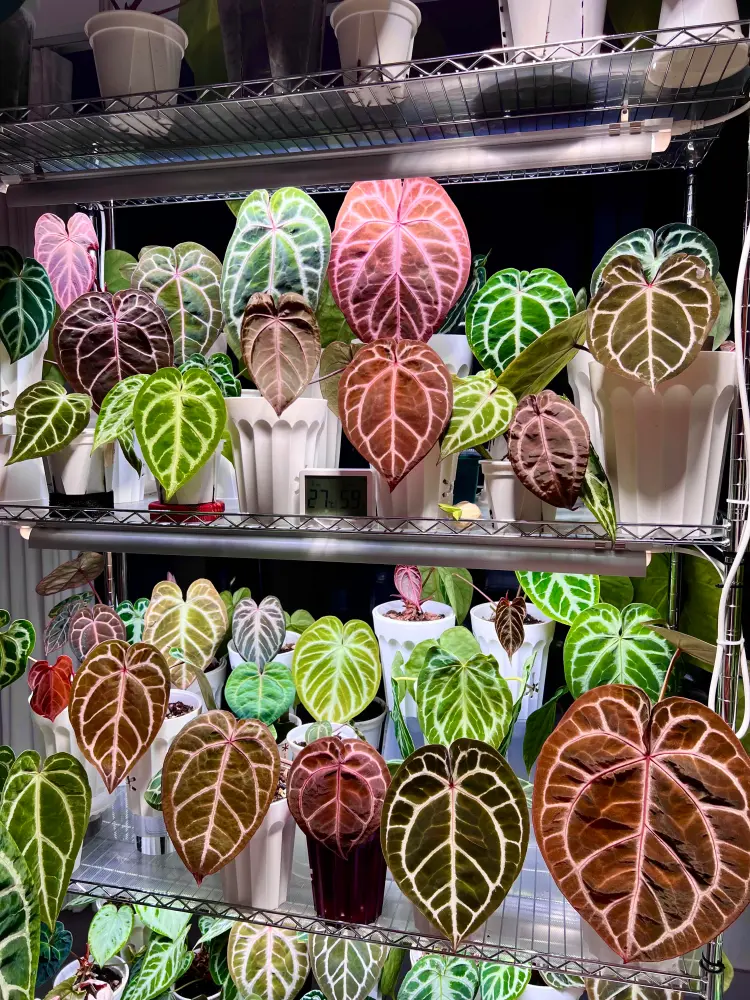
What works better for me is light, steady feeding when the plant is actively growing. If the roots are healthy, the pot is drying at a normal pace, and new leaves are moving, a weak fertilizer routine can support better leaf size, stronger growth, and thicker, darker anthurium leaves over time.
But when an anthurium slows down, I slow down too. I do not keep feeding through weak winter light, soggy soil, root stress, or a plant that has clearly stopped moving. That is when fertilizer stops being support and starts becoming extra pressure.
My rule is simple: feed the plant when it has the roots, light, and energy to use the fertilizer. Otherwise, fix the growing conditions first.
FAQ
Still figuring out what works for your anthurium?
Light, watering, humidity, soil, and root health all affect how an anthurium grows at home. If you’re still comparing care routines or trying to build a setup that actually works indoors, my main anthurium care page brings the most useful guides together in one place.
Go to Care Hub →