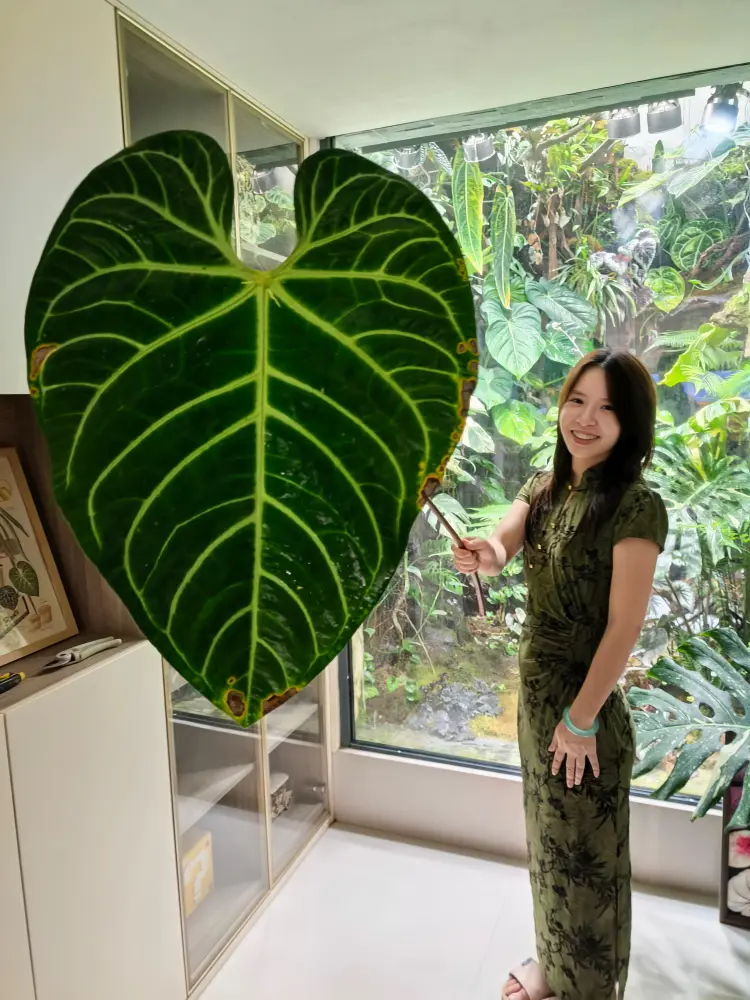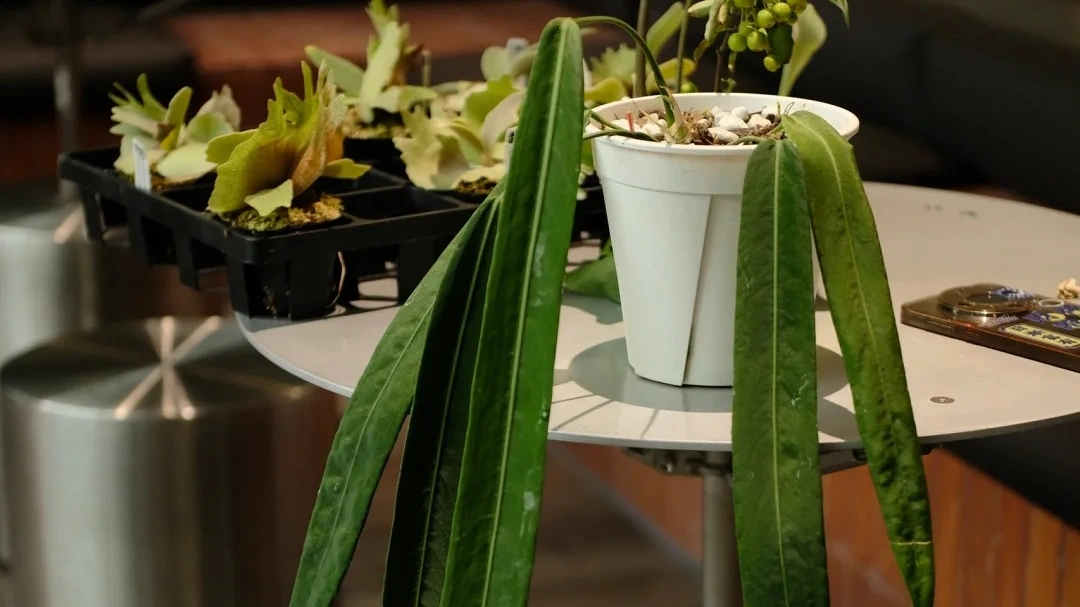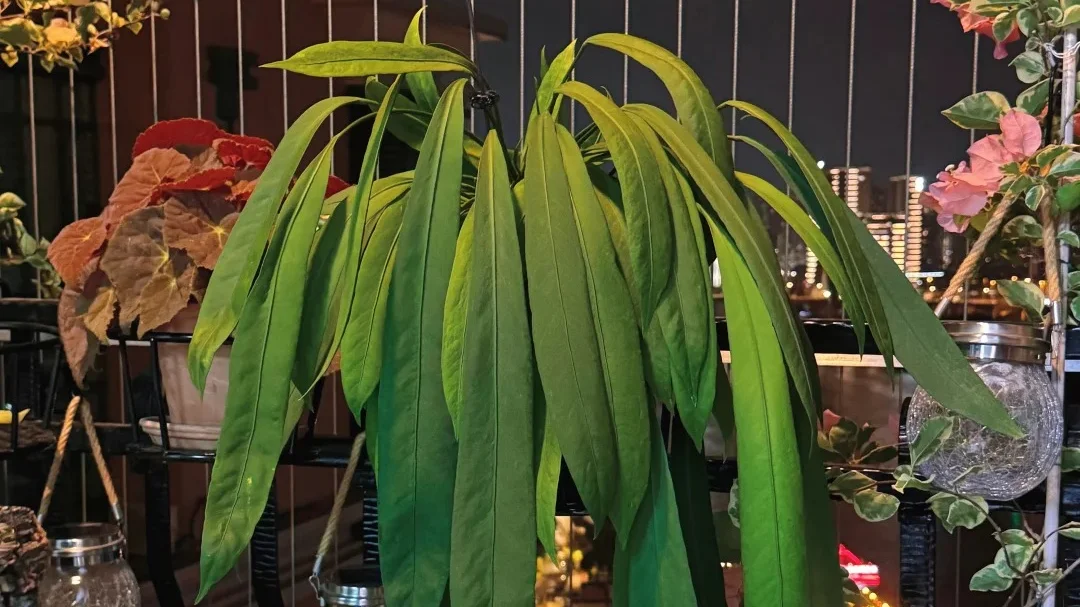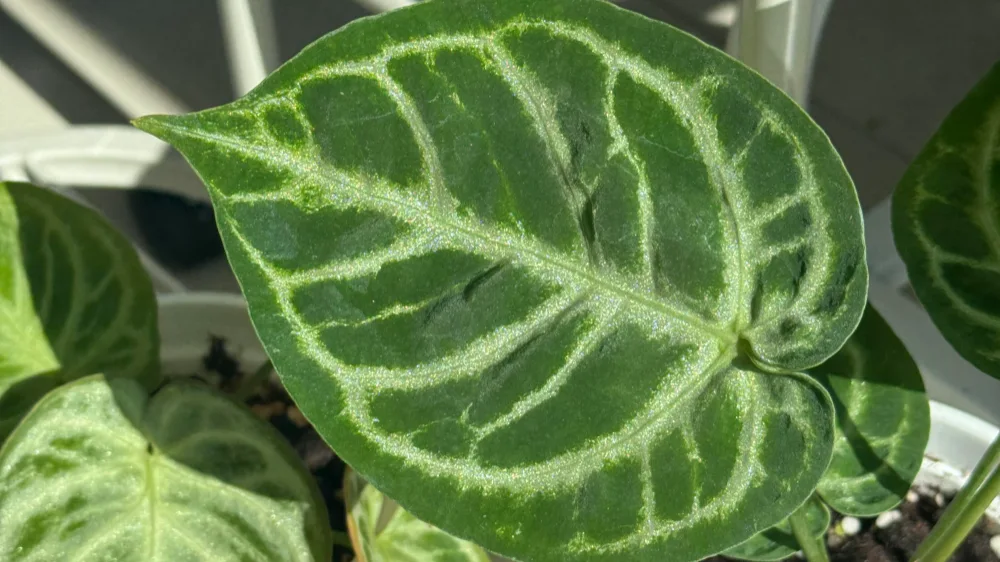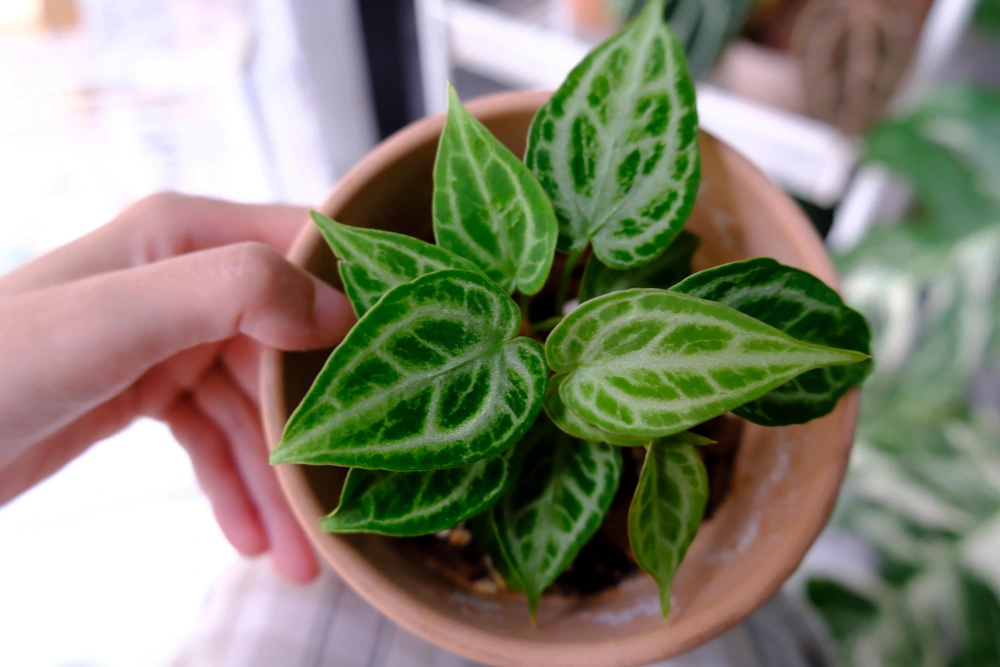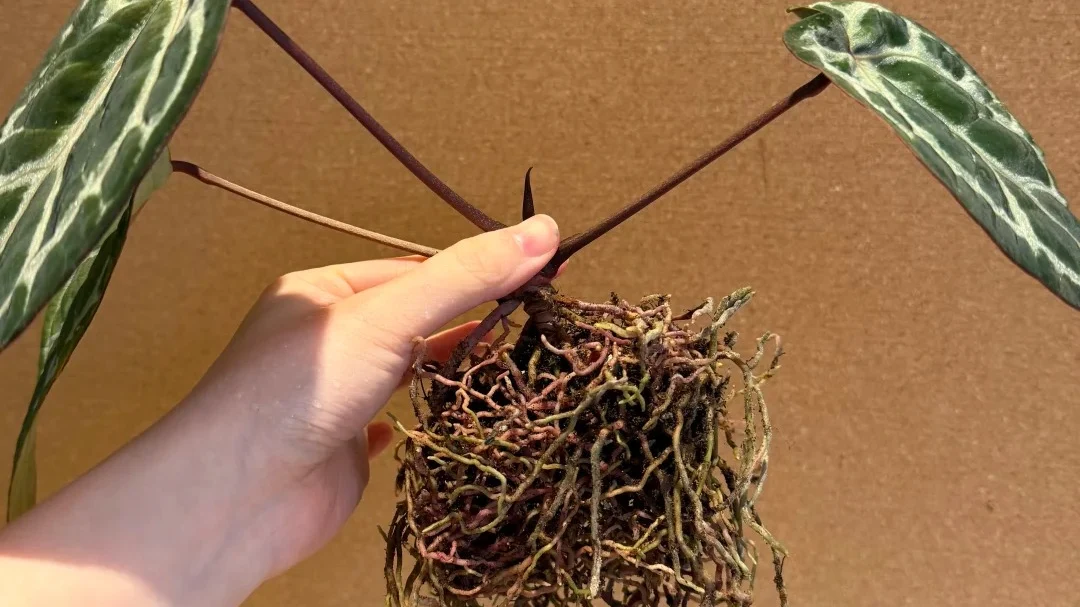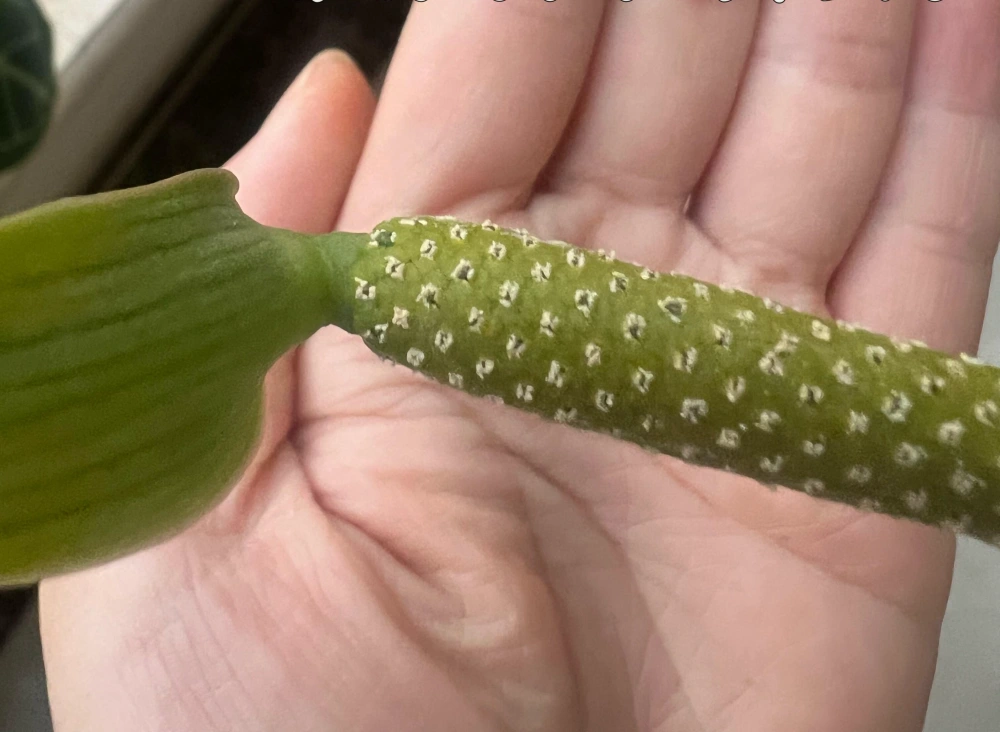
Not every Anthurium is going to turn into one of those thick, dark, almost unreal-looking plants people love to post online. Some of that comes down to genetics, but in my experience, leaf texture and color depth are also shaped by how the plant is grown. Indoors, the biggest difference usually does not come from one magical trick. It comes from light, steady root activity, temperature balance, and a watering rhythm that keeps the plant growing well instead of just surviving.
This article is really about that difference. Not how to simply keep Anthurium alive, but what actually helps leaf quality move in a better direction over time. If I want thicker leaves and deeper color, I start with the growing conditions that support strong, steady growth first.
Start Here: Thickness and Darkness Do Not Come From the Same Thing
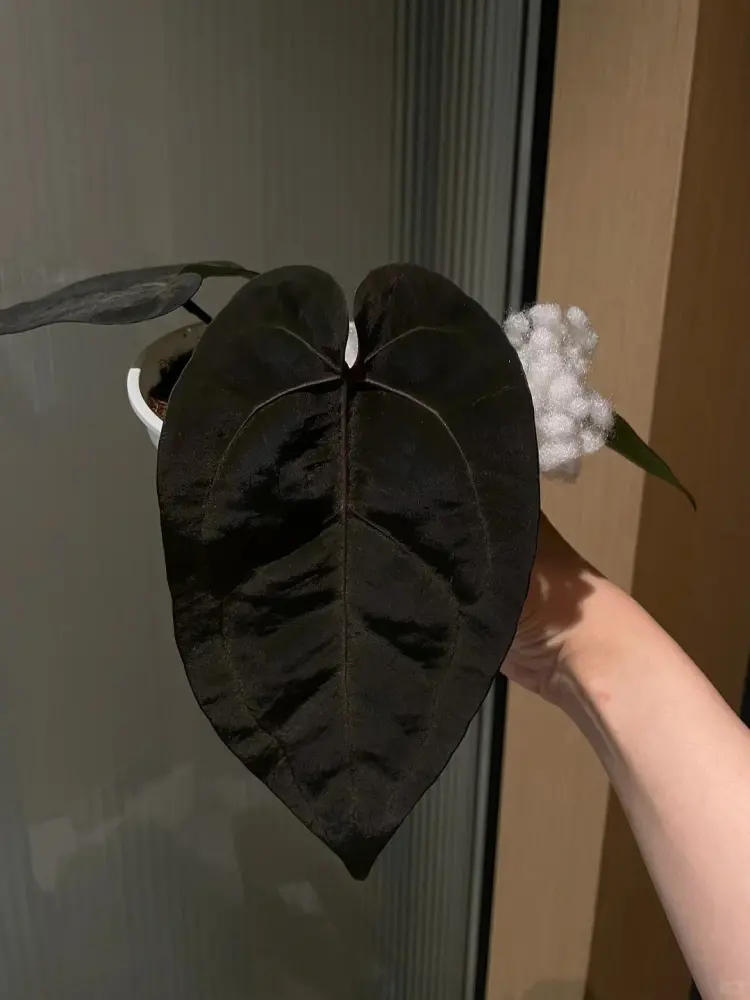
When people talk about wanting Anthurium leaves to grow thicker and darker, those two goals often get mixed together as if they come from exactly the same conditions. In my experience, they do overlap, but they are not completely the same thing.
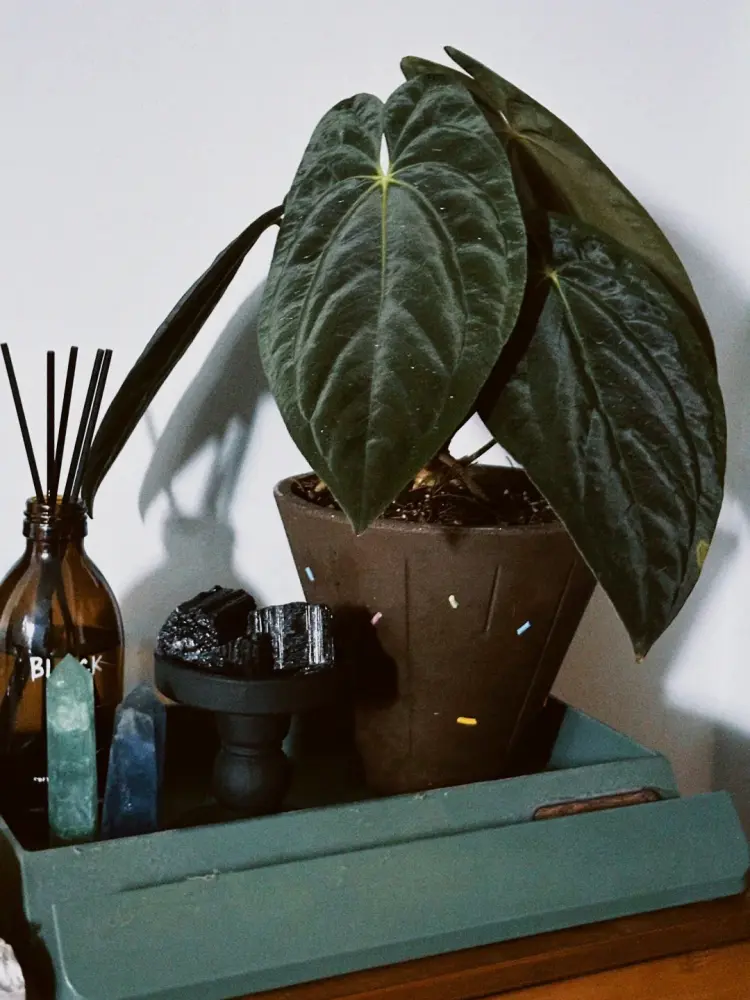
Leaf thickness usually responds more directly to things like light intensity, light duration, and the plant’s overall growth activity. When an Anthurium is getting enough usable light and the roots are active, the leaves often come in firmer, thicker, and with more substance. Under weaker light, even healthy plants can grow softer or thinner foliage, and the stems often stretch more easily.
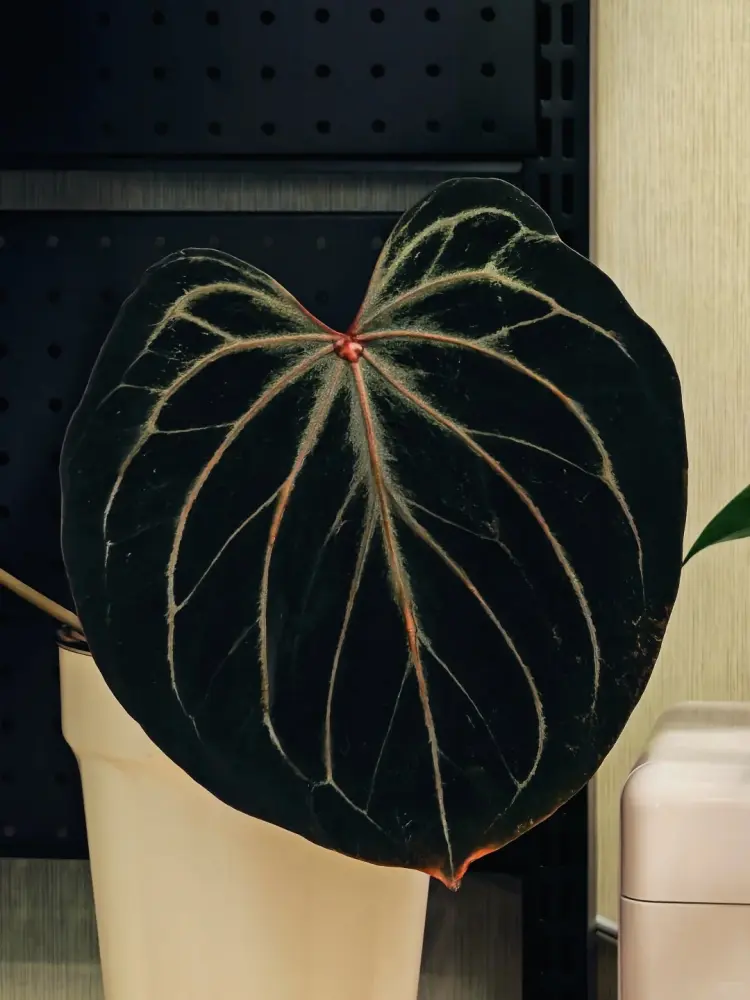
Leaf darkness is a little more complicated. Genetics still matter a lot, but darker color is often shaped by a mix of light, temperature difference between day and night, leaf maturity, and pigment buildup over time. A leaf can be thick without looking especially dark, and a dark leaf is not always the thickest leaf on the plant either.
That is why I do not treat “thicker” and “darker” as one single care goal. Some conditions help both at the same time, but they do not always move together in exactly the same way. Once that part is clear, it becomes much easier to judge what your Anthurium is actually responding to instead of lumping everything under one idea.
Light Is Still the Biggest Driver of Thicker Leaves
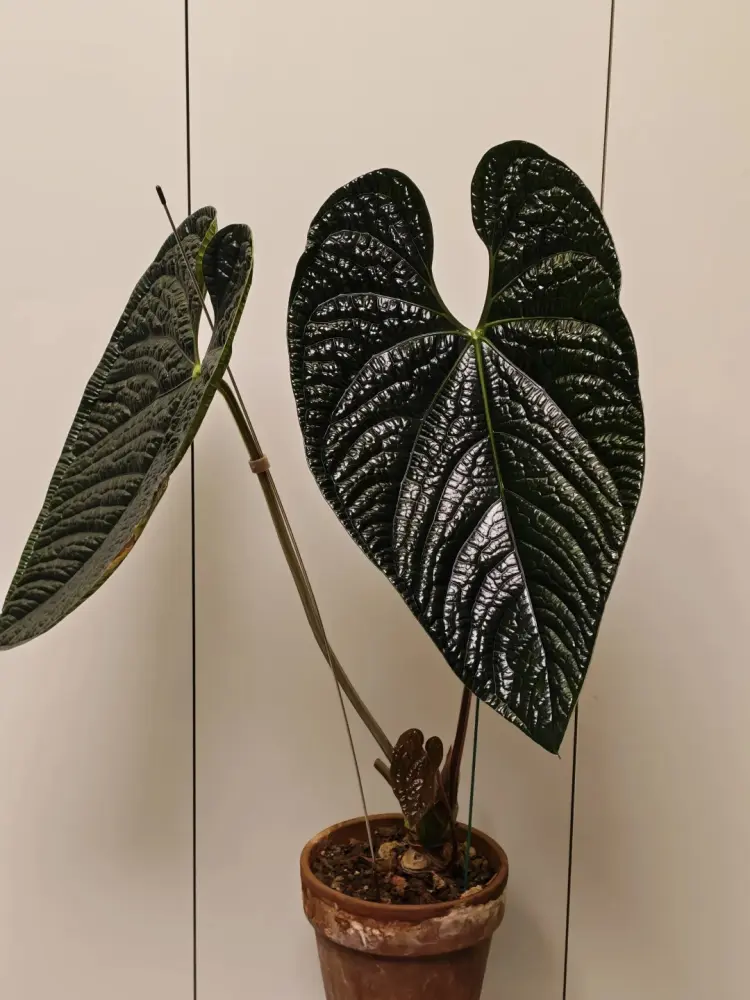
Why stronger light usually gives me thicker growth
If I had to pick one factor that most consistently changes leaf thickness in Anthurium, it would still be light. In my own growing, plants that get enough usable light usually produce leaves that feel firmer, denser, and more substantial. The whole plant also tends to look tighter and more grounded, rather than soft and stretched.
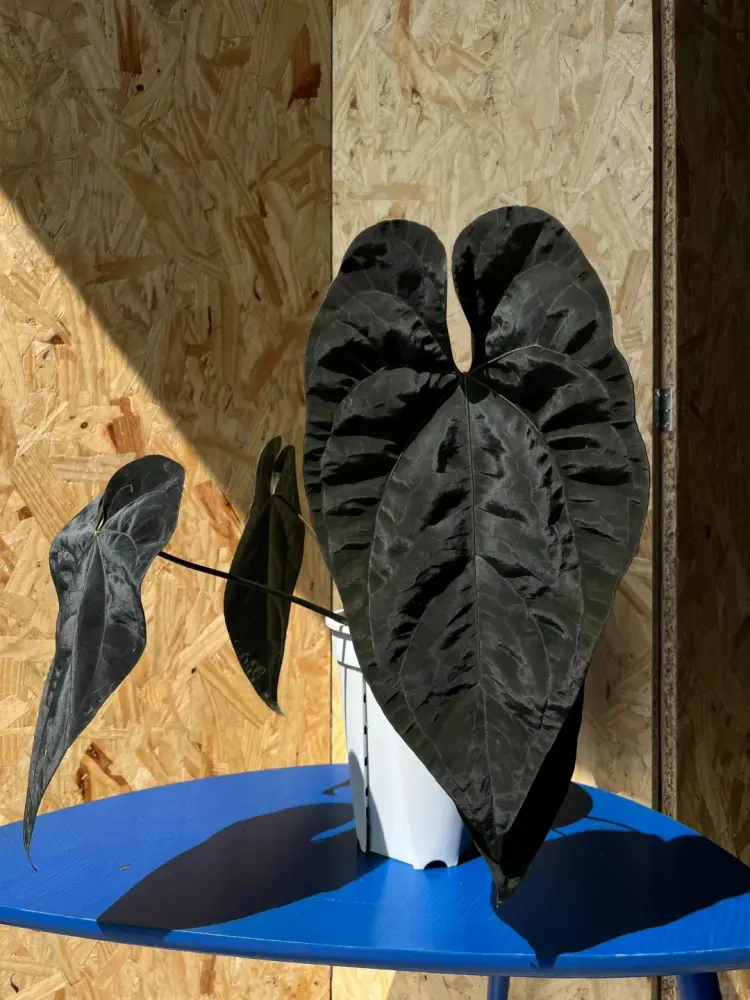
Low light usually changes the plant in the opposite direction. The stem starts stretching, the spacing between leaves gets longer, and the new foliage often comes in thinner or less solid. The plant may still survive and even keep growing, but it often does not grow with the same weight or structure. That is why I do not really see thick leaves as just a fertilizer or humidity issue. For me, it starts with whether the plant is getting enough real light to build stronger growth in the first place.
What “enough light” looks like in real indoor growing
This is the part where I think it helps to stay practical. “Bright indirect light” sounds simple, but indoors it can mean very different things depending on the window, season, weather, and how far the plant is sitting from the glass.
In my own setup, plain green Anthuriums usually start giving me noticeably better leaf thickness somewhere around 4000 to 8000 lux, with the stronger end of that range often giving the best results as long as heat stress is not building. Once the light drops too low for too long, the stems usually stretch more easily and the leaves lose some of that thicker, more solid feel.
I still would not treat those numbers like a universal rule for every Anthurium in every home. Different species, different leaf textures, different seasons, and different room conditions all change how useful that light actually is. But as a working indoor range, it has been much more helpful for me than vague light labels.
Leaf Darkness Depends on More Than Light Alone
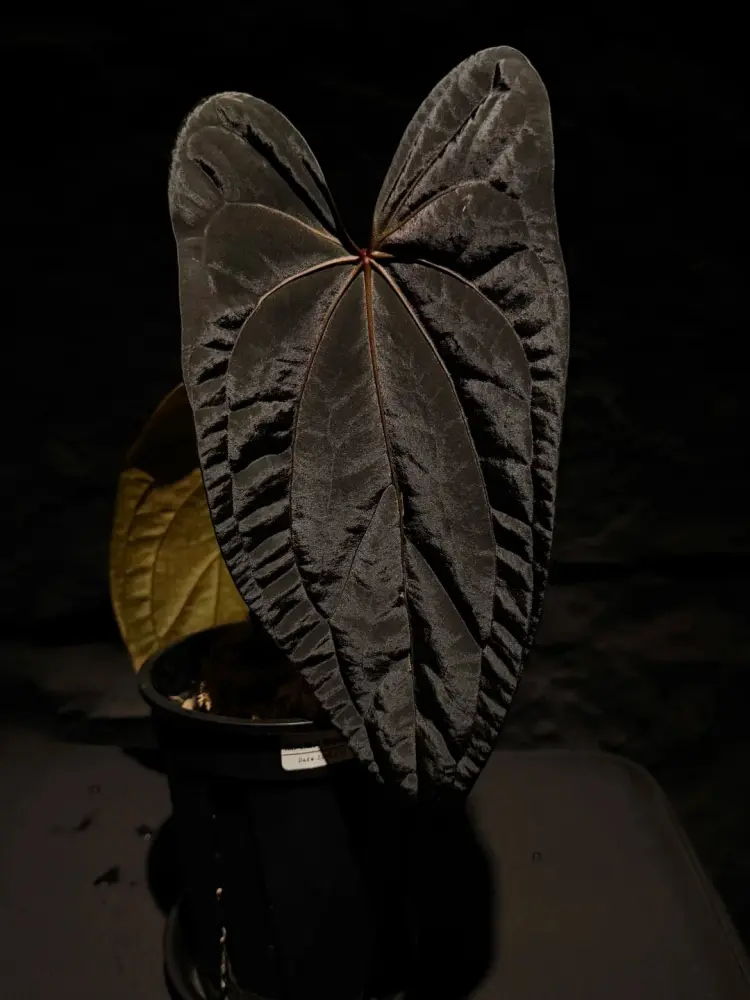
Why cooler nights and stronger daytime growth can deepen color
Light still matters here, but I do not think leaf darkness comes from light alone. In my own growing, darker color usually shows up best when the plant is growing actively during the day but not staying too warm around the clock. Strong daytime growth seems to build the leaf well, while slightly cooler nights often make the darker tones show more clearly as the leaf hardens off and matures.
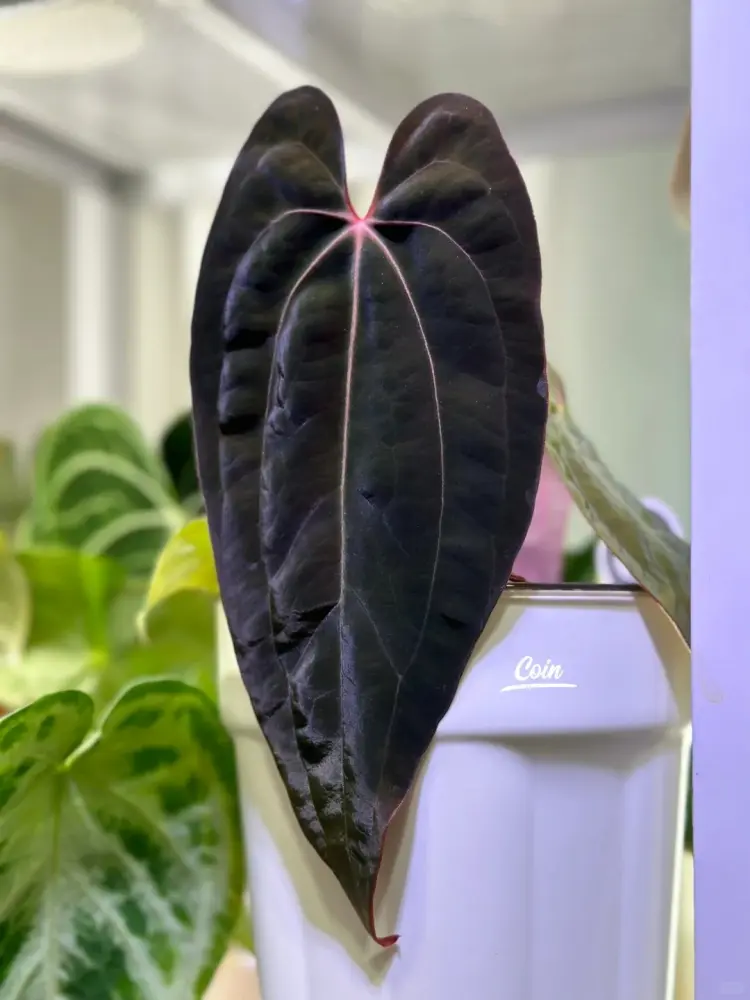
I would not describe that as a simple formula, because different Anthuriums respond differently. But I have noticed that when a plant is getting decent light, growing steadily, and not sitting in warm stagnant air all night, the darker surface tones usually develop better. That is especially noticeable on plants that already have the genetics for deeper color in the first place. In other words, the plant still has to be capable of going dark, but the environment can definitely influence how fully that color shows.
Why leaves often stay greener in heat
Heat changes the picture. Once temperatures get very high, I often see leaves stay greener even if the plant is still technically growing. That does not always mean something is wrong. It just means the plant may still be growing under conditions that are less favorable for deeper color expression.
Once the temperature gets above roughly 35°C, my priority shifts away from trying to make the plant darker and toward keeping the roots safe and the air moving. At that point, good airflow matters much more than chasing leaf color. A plant can survive high heat without immediate root rot, but stagnant hot conditions are much riskier than slightly greener leaves. So for me, very hot weather is usually not the time to push for blacker foliage. It is the time to protect root health, keep the plant breathing, and let color take a back seat for a while.
Healthy Roots Change Leaf Quality More Than People Think
A lot of people focus on the leaf surface first when they want thicker, darker Anthurium foliage, but in my experience, root condition changes leaf quality much more than people expect. A leaf can only build real substance if the plant is taking up water and nutrients steadily enough to support strong growth over time. When the roots are active, the whole plant usually grows with more confidence. The leaves tend to come in firmer, fuller, and with better overall texture.
That is also why leaf quality often drops before the plant looks obviously unhealthy. If the roots are weak, sitting in stale mix, staying too wet with low oxygen, or being pushed too far between waterings, the leaves usually show it sooner or later. They may still emerge, but they often do not have the same thickness, weight, or finish that the plant can produce when the root zone is working well.
So for me, leaf quality usually starts below the pot line before it shows above it. If the root system is active, stable, and able to support steady growth, the leaves usually have a much better chance of coming in with real substance.
Watering Rhythm Affects Texture Too
Why I do not like letting Anthurium roots go bone dry
I do not like letting Anthurium roots go completely dry if my goal is better leaf quality. In my experience, that kind of repeated dry-down usually pushes the plant into a more defensive rhythm. It may survive it, but the growth often stops feeling steady. New leaves can still come out, but they often do not have the same thickness, weight, or finish that I see when the roots stay more consistently active.
This matters even more when I am trying to grow thicker leaves rather than just keep the plant alive. A root system that keeps getting pushed all the way to dry has less momentum, and the plant often starts using energy just to recover its balance again. That is not the same as the kind of stable, forward-moving growth that usually produces better leaf substance over time.
Why high humidity is not the same as good watering
High humidity can help leaves look smoother and flatter, especially while they are still expanding, but I do not think of that as a replacement for good root-zone management. A plant can sit in humid air and still be growing on weak roots, stale mix, or an uneven watering rhythm. When that happens, the leaves may look better on the surface than the root system really deserves.
I have also found that long periods of high humidity can make the plant more sensitive to sudden environmental shifts. If the humidity drops sharply or the air movement changes too fast, the new growth can respond badly even when the plant looked fine before. So for me, humidity is helpful, but it only works well when the watering rhythm and root condition are already supporting the plant underneath.
Airflow, Heat, and Containers All Affect Root Safety
Why I care more about airflow once temperatures get very high
Once temperatures get very high, I start thinking less about pushing leaf quality and more about protecting the root zone. In hot weather, especially once the temperature moves past roughly 35°C, airflow becomes much more important. Good air movement helps keep the root area from sitting in hot, stagnant conditions for too long, and that can make a real difference in how safely the plant gets through heat.
That does not always mean the leaves will get darker. In fact, I often find the opposite. A plant may stay healthier with better airflow, but the leaves can still look greener in sustained heat. So for me, strong airflow in very hot conditions is not really a trick for blacker foliage. It is more of a way to reduce the risk of stale roots, stress buildup, and rot when temperatures are already working against the plant.
Fabric pots and mesh-style pots are not automatically better
I do think fabric pots and mesh-style pots can be useful, because they usually make the wet-to-dry cycle move faster and keep the root zone more open. That can help a lot in setups where the mix tends to stay too wet or the weather is warm enough that faster drying is actually an advantage.
But I would not treat them as automatically better for every Anthurium at every stage. More airflow around the roots is not always helpful if the root system is still weak, the plant is newly established, or the surrounding air is already quite dry. In those situations, the mix can lose moisture too quickly and the roots may spend too much time trying to catch up. So for me, the container only helps when it matches the plant’s strength and the way the room actually dries the mix. If the roots cannot keep up, extra airflow around the pot can become a disadvantage instead of a benefit.
What I Treat as Secondary, Not Primary
Foliar feeding can help, but it does not replace good growing conditions
I do think foliar feeding can be useful in some situations, especially when the plant is actively growing and already in reasonably good condition. It can be a helpful extra, but I would never treat it as the main reason a leaf becomes thicker or better textured. In my experience, foliar feeding only helps in a meaningful way when the plant is already getting enough light, the roots are working well, and the overall environment is stable enough to support real growth.
That is why I see it as a supplement, not a fix. If the light is too weak, the roots are stalled, or the plant is swinging between stress and recovery, leaf sprays do not change the bigger picture very much. They can support good growth, but they do not create it from nothing.
CO₂ is interesting, but it is not where I would start
CO₂ is one of those things I think is genuinely interesting, and I do think it may help in some setups. But I would still place it firmly in the category of later-stage fine-tuning, not the first variable I would fix. If the plant is not already getting strong enough light, steady root activity, and a workable temperature range, extra CO₂ is not where I would put my attention first.
So while I would not dismiss it completely, I also would not present it as the reason most Anthuriums develop darker, thicker leaves at home. In real indoor growing, it makes much more sense to fix the basic conditions first and treat CO₂ as something experimental or optional afterward, not as the foundation of good results.
What Usually Makes the Biggest Difference in Real Home Growing
If I am trying to grow thicker, darker Anthurium leaves, I do not start by chasing the most advanced tricks first. I would not start with CO₂, and I would not expect foliar feeding to do the heavy lifting. I also would not push for “black, thick leaves” on a plant with weak roots, stalled growth, or a plant that is still freshly settling in. In that stage, the better goal is not leaf perfection. It is getting the plant strong and stable again.
I also do not treat darker leaves as the only sign of health. Some Anthuriums naturally stay greener, and some plants look greener for part of the year even when they are growing well.
In real home growing, the biggest difference usually comes from a few basic conditions working together: usable light, active roots, balanced temperatures, and a watering rhythm that supports steady growth rather than repeated stress. When those foundations are in place, thicker texture and deeper color tend to follow on their own — not as something forced, but as a natural result of a plant that is genuinely moving forward.
FAQ
Still figuring out what works for your Anthurium?
Light, watering, humidity, soil, and root health all shape how an Anthurium grows indoors. If you’re still comparing care routines or trying to build a setup that actually works at home, my main Anthurium care page brings the most useful guides together in one place.
Go to Care Hub →