Anthurium villenaorum is one of those plants that seems to split people very quickly. Some growers find it plain or even a little disappointing at first, especially compared with more dramatic velvet anthuriums. I was not especially convinced by it in the beginning either.
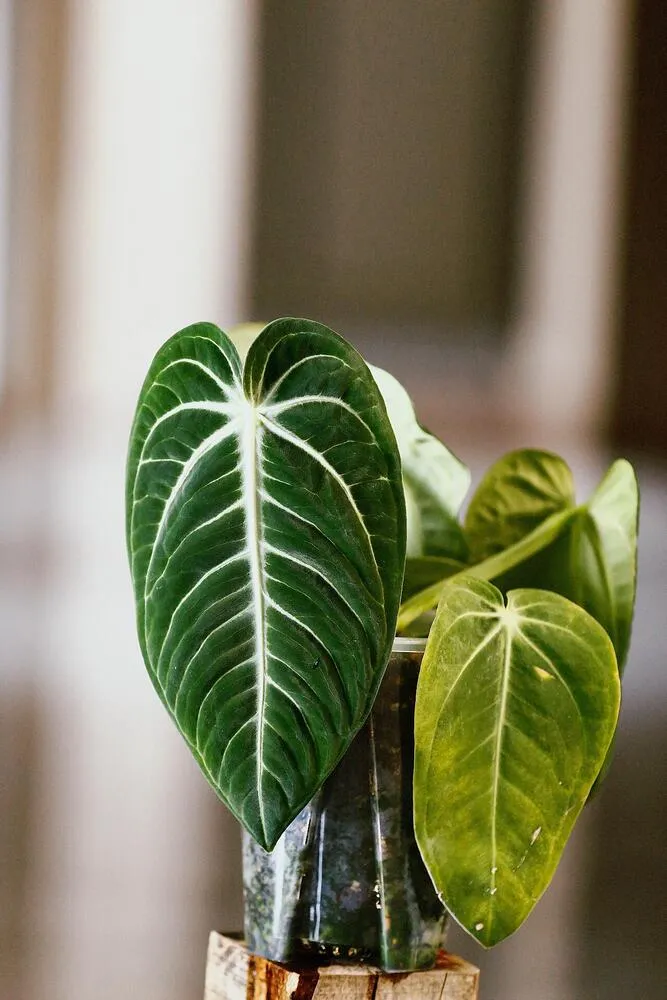
What changed my mind was watching a new leaf develop. Once I saw the way the midrib drove downward through the center and the side veins opened out from it, the plant stopped feeling plain to me. That was when I started seeing villenaorum less as an underwhelming anthurium and more as a species whose appeal depends on structure, movement, and detail.
What Actually Makes Villenaorum Interesting
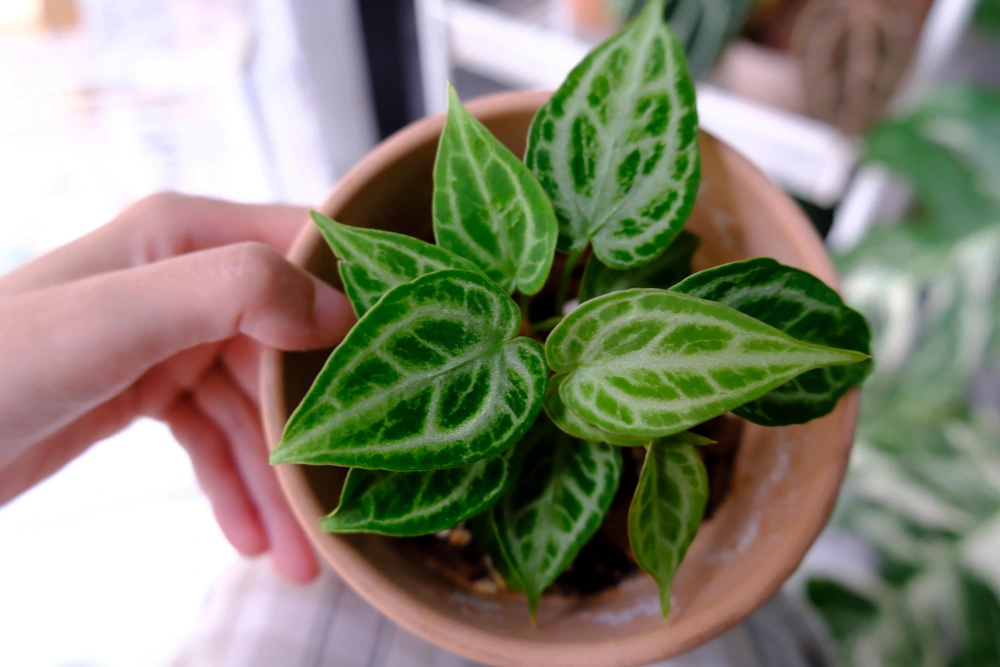
What makes Anthurium villenaorum interesting to me is not one dramatic feature, but the way several quieter traits work together once you start paying attention. It is not the kind of anthurium that always explains itself through a single photo. A lot of its appeal comes from how the leaf develops, how the venation moves, and how the whole plant settles into its shape over time.
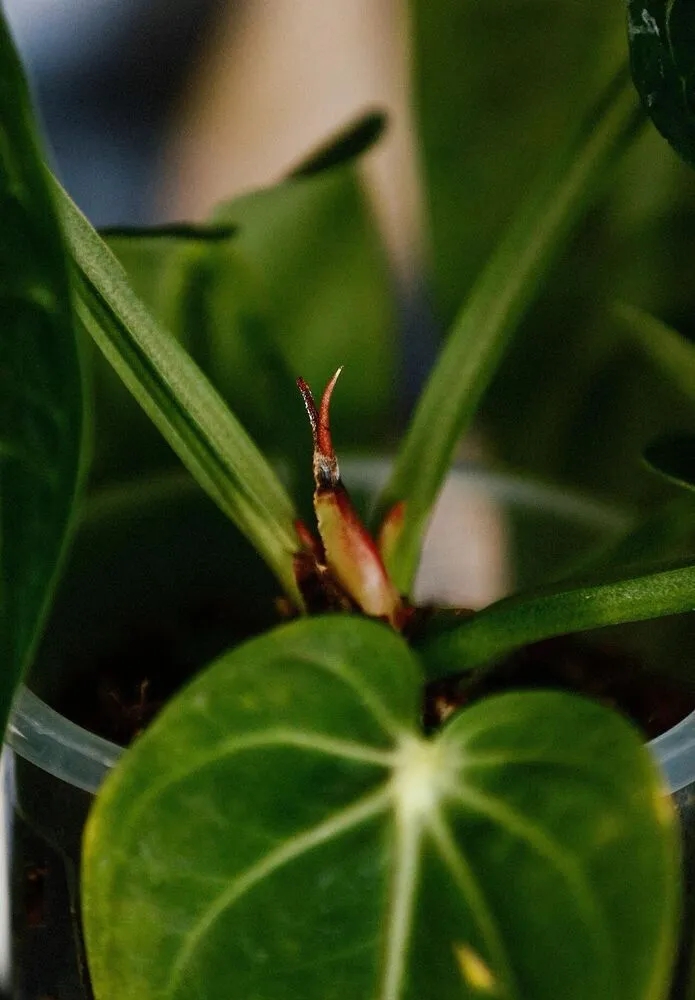
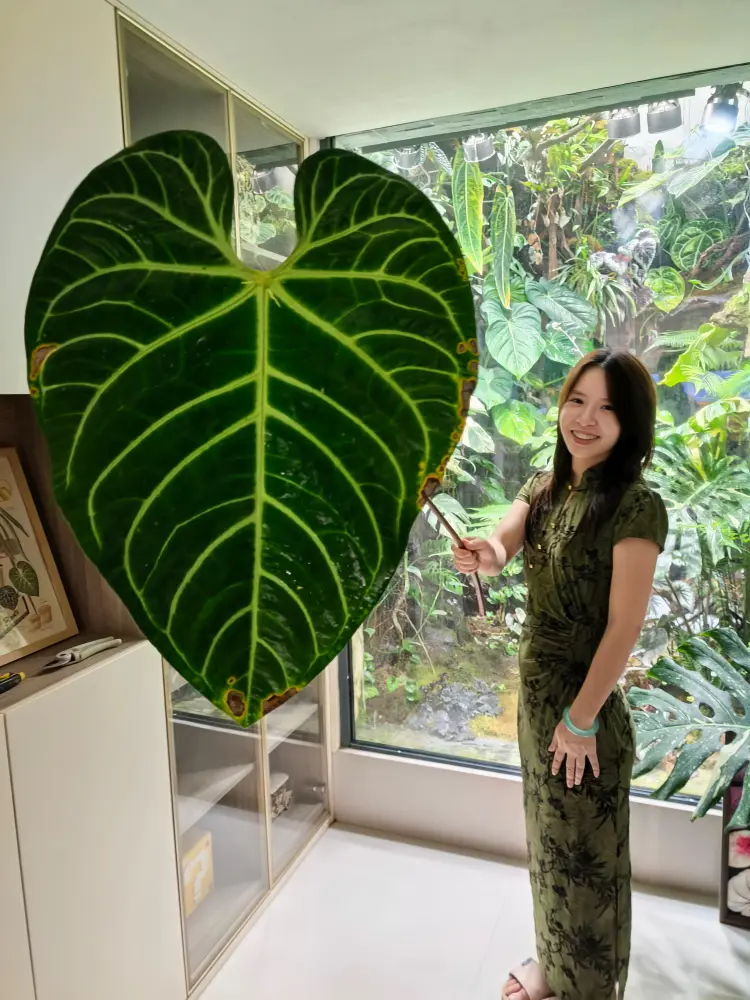
The first thing that really changed the way I saw it was the midrib. On a new leaf, the central vein can feel almost directional, as if it is pulling the eye downward through the leaf instead of just dividing it in half. That gives the leaf a sense of movement that I do not think static descriptions capture very well. It is one of the reasons villenaorum feels more interesting in person than it sometimes looks in a quick photo.
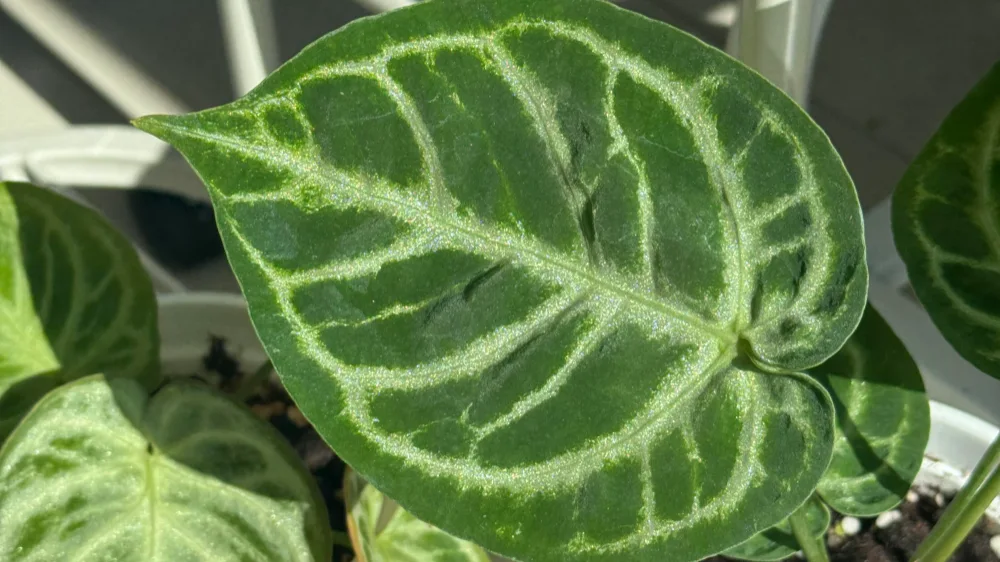
The side veins matter just as much. What I like is not simply that they are visible, but the way they spread outward from the midrib and give the leaf a more open, branching rhythm. On a good leaf, that pattern makes the whole surface feel more alive and more structured. It is not a chaotic kind of venation, and it is not trying to overwhelm you. It works more through direction and flow.
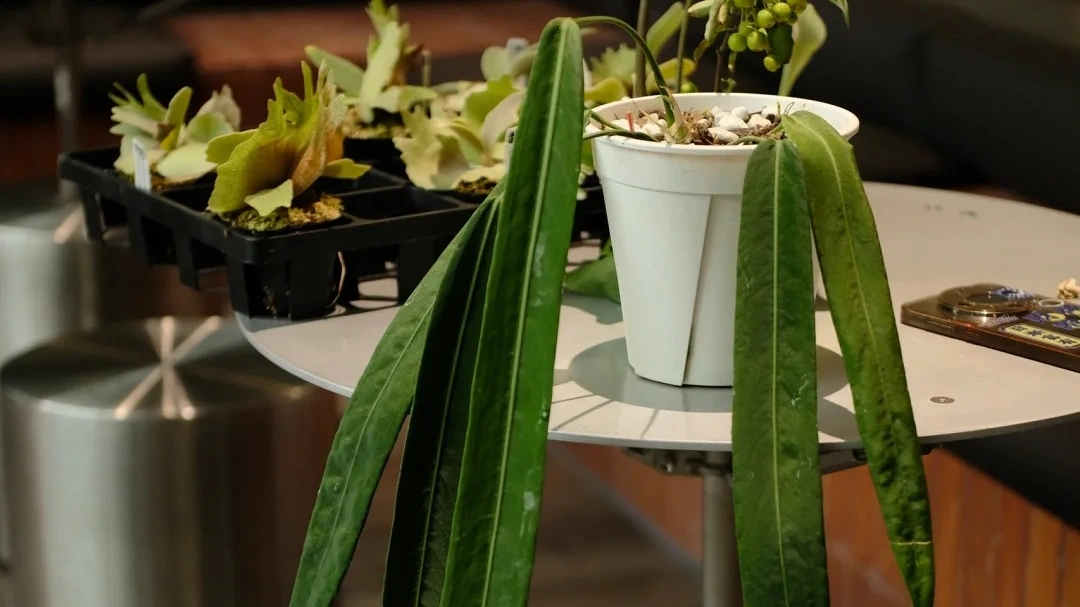
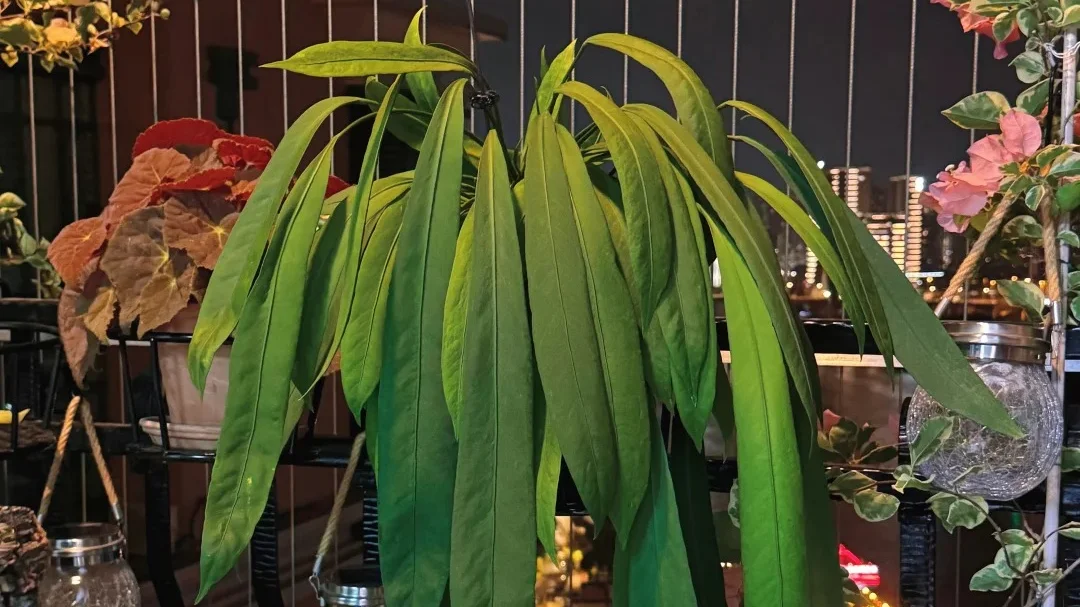
Another part of its character shows up later, once the leaf has finished developing. Villenaorum does not just unfurl and stay soft-looking. As the leaf hardens off, it becomes noticeably firmer and more upright, which changes the whole feel of the plant. That shift is important, because part of what makes a good villenaorum satisfying is not just the new leaf stage, but the way the finished leaf holds itself afterward.
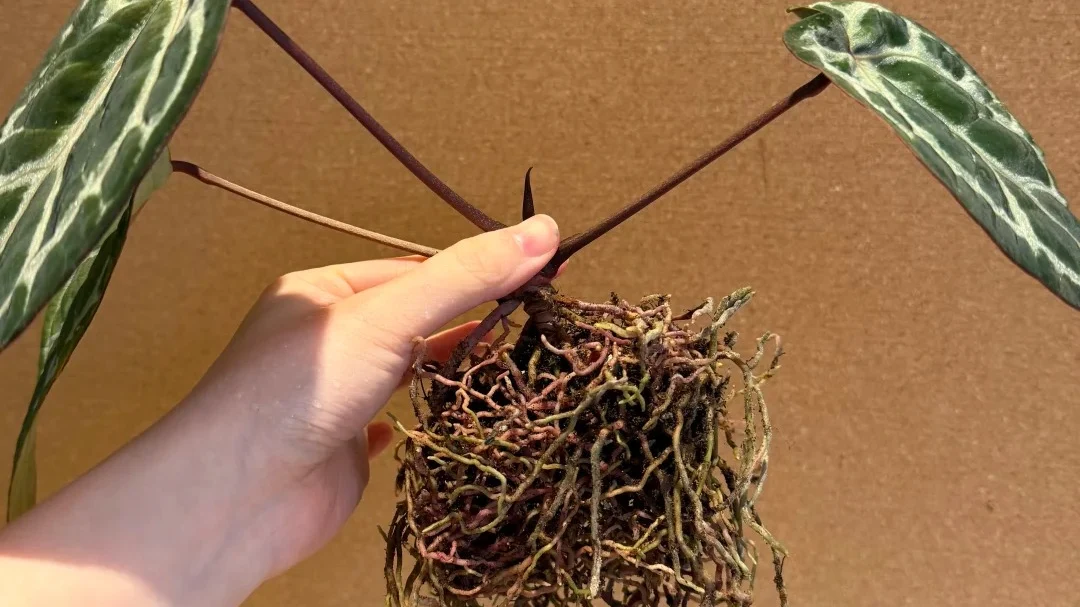
The petiole also contributes more than people expect. On this species, the angular, somewhat triangular petiole gives the plant a different kind of structural feel than softer, rounder-petioled anthuriums. It is a small detail, but it adds to the sense that villenaorum is not just about surface pattern. The whole plant has a cleaner, more deliberate framework.
That is also why I think villenaorum often reads better in motion than in still photos. A finished photo can show the leaf shape and the venation, but it does not always show what makes the plant compelling over time. Watching a new leaf extend, watching the side veins open out, and then seeing the blade firm up into a more rigid, finished form explains the species much better than a single static image ever can.
What Separates a Good Villenaorum From a Forgettable One
Not every Anthurium villenaorum is going to change someone’s mind. Some plants do stay fairly plain-looking, and I think that is part of why this species gets dismissed so quickly. If the leaf shape feels dull, the venation does not really lead the eye anywhere, or the finished leaf never develops much firmness or structure, the plant can end up looking much less interesting than people hoped.
For me, a good villenaorum needs a few things to come together at once. The venation has to feel convincing, not just visible. The leaf shape has to stay clean enough that the plant looks deliberate rather than vague. The mature leaves need to feel firm and structurally confident, not soft and forgettable. And the whole plant needs enough overall coherence that its character reads clearly, instead of depending on one decent feature to carry everything.
That is why I think the real issue with villenaorum is usually not whether you can keep it alive. The harder part is whether you can grow it into a version of itself that actually shows why the species has devoted fans in the first place. A plant can survive for a long time and still never really become convincing. With villenaorum, the difference between “healthy enough” and “worth looking at twice” can be much bigger than people expect.
What Helped Mine Start Looking Like Itself
What helped my Anthurium villenaorum most was not trying to optimize every care variable in isolation. What made the biggest difference was giving the plant conditions that allowed its own strengths to show up more clearly. In my home, villenaorum became much more interesting once I stopped thinking only about keeping it alive and started paying attention to what helped the leaf shape, venation, and overall structure read properly.
Enough Light to Make the Structure Readable
I do not think villenaorum benefits from being tucked too far into weak indoor light. It may survive there, but a lot of what makes the plant interesting can start getting lost. In my experience, brighter, more stable light made it much easier to see the midrib, the side-vein spacing, and the overall shape of the leaf more clearly.
This was not about pushing the plant into harsh exposure. It was more about giving it enough light that the leaf did not look flat or visually sleepy. Once the light was strong enough but still controlled, the whole plant started looking more like itself.
Enough Moisture to Keep the Plant Moving
Villenaorum also looked better once I stopped letting it swing too hard between wet and dry. I would not treat it like a plant that wants long dry spells just for the sake of feeling “safe.” In my experience, the plant looked more convincing when moisture stayed steady enough to keep growth moving instead of repeatedly pulling the roots backward.
That does not mean keeping the potting mix heavy or constantly wet. It means I got better results when the plant stayed gently active, especially while a new leaf was developing. Once that rhythm improved, the leaves tended to come out with better continuity and less interruption in their overall quality.
Enough Stability to Let the Leaf Finish Properly
This species also made more sense to me once I stopped interfering so much. A lot of what makes villenaorum appealing depends on how a leaf finishes, not just how it starts. If the environment keeps shifting, or if the plant keeps getting moved, adjusted, or otherwise fussed over, that process can lose some of its clarity.
What helped most was giving the leaf enough stability to go from emerging to fully finished without too much interruption. That was when the plant started showing the firmer mature leaves, cleaner structure, and more convincing overall character that had made me appreciate it in the first place.
Is Villenaorum Actually Difficult, or Just Easy to Misjudge?
I do not think Anthurium villenaorum is necessarily difficult in the way people often assume. The bigger problem is that it is very easy to misjudge. If you keep measuring it against plants that win through bigger leaves, stronger white veins, or more obvious drama, villenaorum will often seem underwhelming.
But if you pay attention to structure, venation movement, firmness, and overall shape, it becomes much more interesting over time. To me, this is not really a plant that loses because it lacks character. It loses because many people are looking for a different kind of character than the one it offers.
Who This Plant Makes Sense To
I think Anthurium villenaorum makes the most sense for growers who enjoy quieter, more structural velvet anthuriums and do not need instant drama to stay interested. It makes much less sense for someone who mainly wants bold white veins, oversized leaves, and obvious first-glance impact.
FAQ
Still comparing Anthurium varieties?
If you’re trying to figure out which anthuriums are actually worth growing indoors, my Anthurium varieties hub is a better place to compare leaf texture, growth habits, and overall difficulty side by side.
Explore Anthurium Varieties →