Overwatering did not look the way I expected when I first started growing Anthuriums. I used to think it would be obvious: soaking wet soil, yellow leaves, rotten roots. But in real life, it often showed up in a much less dramatic way.
A lot of the time, the plant was not exactly “drowned.” The real problem was that the root zone had stayed wet longer than the plant could comfortably tolerate. The Anthurium might look thirsty, dull, stalled, or just slightly off before anything obviously rotten appeared. Sometimes it looked like a yellowing problem. Sometimes it looked like drooping. Sometimes it simply stopped growing with much strength.
That is why I no longer think about overwatering only in terms of how much water I poured in. What matters more is how long the mix stays wet, whether the roots still have enough air around them, whether temperatures are low enough to slow root activity, whether the medium has become too heavy, and whether the plant is gradually losing vigor instead of actively growing.
So this article is not really about listing random symptoms. It is about learning to recognize that “staying too wet for too long” pattern, because in my experience, that is usually where overwatering really starts.
The Signs That Made Me Realize the Problem Was Staying Too Wet
These were the patterns that made me stop thinking about overwatering as one obvious event and start paying more attention to a root zone that was simply staying wet too long.
The Pot Stayed Damp for Too Long, and the Plant Never Really Perked Up
One of the earliest overwatering patterns I learned to notice was not soggy soil in the obvious sense, but a pot that simply stayed damp for too long. The top might look only slightly moist, nothing alarming at first glance, but several days later the deeper mix would still feel wet and heavy. The Anthurium did not collapse straight away, yet it never really looked fully comfortable either.
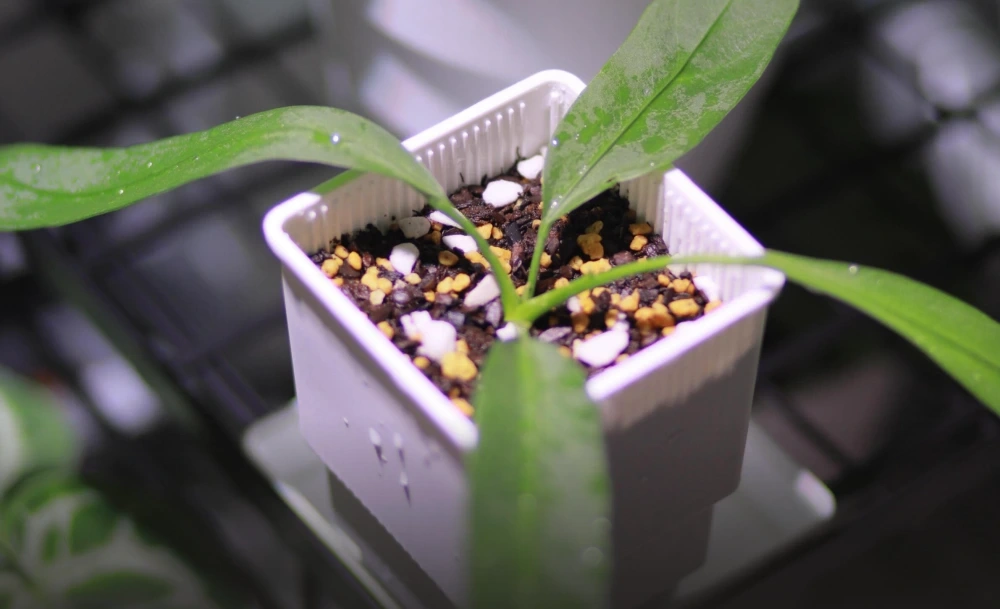
That kind of plant often seemed dull rather than dramatic. The leaves looked a little tired, growth slowed down, and the whole plant seemed to be sitting in a kind of low-grade discomfort. That was what taught me that overwatering often begins not with one huge watering mistake, but with a root zone that never gets enough air. In cooler weather, lower light, or a heavier mix, “still damp” can quietly turn into “wet for longer than the roots can comfortably tolerate.”
Yellowing That Did Not Look Like Simple Aging
Overwatered yellowing never felt the same to me as one older leaf naturally aging out at the base. Normal aging usually looks cleaner and more self-contained. What made me more suspicious was yellowing that felt duller, more tired, and tied to a plant that had already stopped pushing forward.
In that kind of case, the pot was staying wet, the plant was no longer growing with much strength, and newer growth was not moving the way it should. That is why I do not see yellow leaves as proof of overwatering on their own. But once yellowing shows up alongside a wet pot and a stalled plant, I start taking the root zone much more seriously.
The Leaves Looked Droopy, but More Water Made Nothing Better
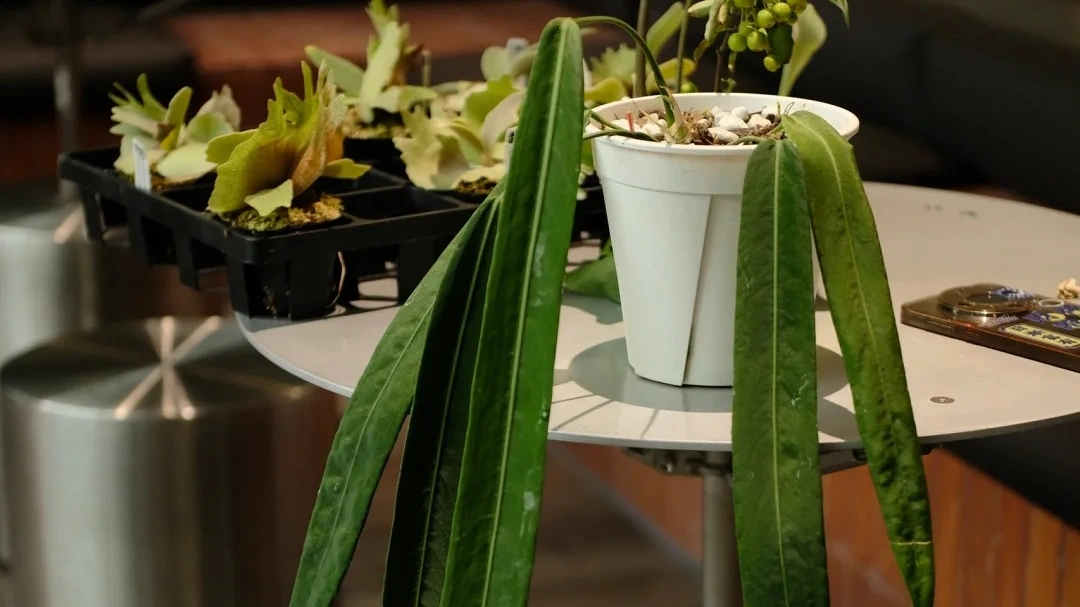
Another pattern that made me rethink overwatering was drooping in a plant that already had moisture in the pot. The leaves looked limp, my first instinct was to water, and yet nothing improved after I did. That was the moment I started realizing I was not dealing with ordinary thirst.
A drooping Anthurium in wet soil is one of the clearest early overwatering patterns I have learned not to ignore. The roots may still be present, and the plant may not look dramatically rotten yet, but something in the root zone is already starting to fail. Water is there, but the plant is no longer using it well.
That kind of case taught me to stop asking only whether the plant has water and start asking whether the roots are still able to work comfortably in the conditions they are sitting in.
New Growth Slowed Down Before the Roots Looked Obviously Rotten
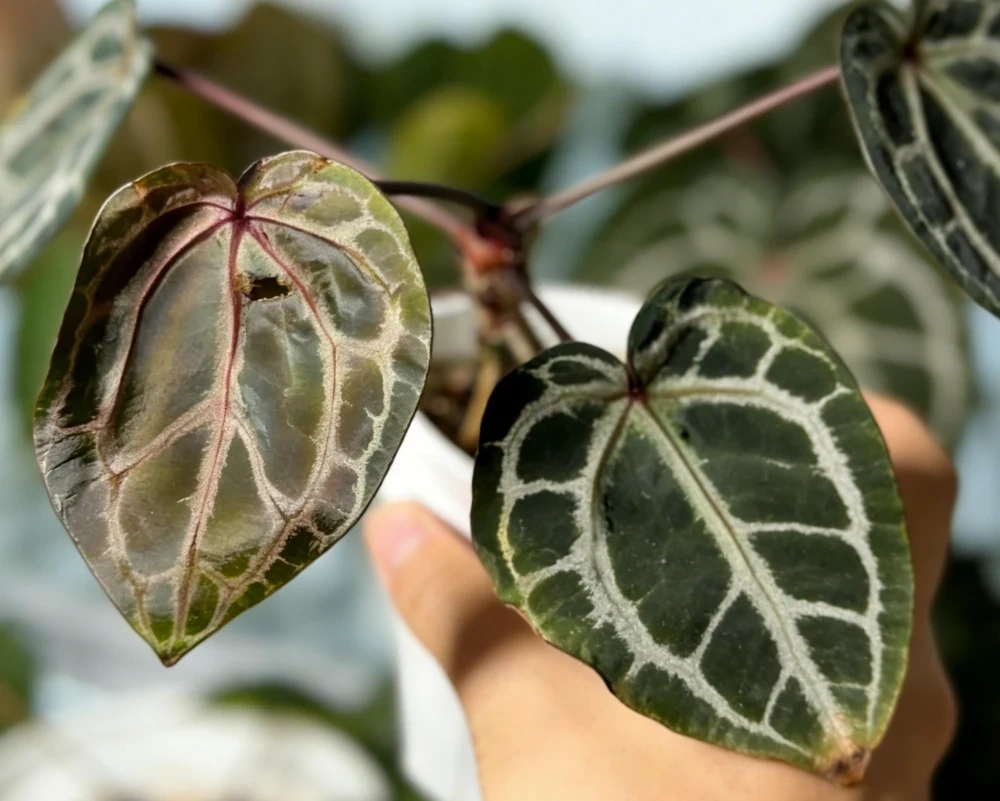
One of the most useful things I learned about overwatering was that the plant often shows it in growth before it shows it dramatically in appearance. New leaves start taking longer, a new leaf may stay small or pause halfway, and the whole plant begins to feel stalled for no clear reason.
At that stage, the roots do not always look black and mushy yet. That is what makes it easy to miss. The plant does not always look like a classic rot case. It just stops behaving like an actively growing Anthurium.
This changed the way I think about early overwatering. Root problems often show up in growth before they show up in obvious visual damage. A plant that has been wet too long may tell you through stalled new growth long before the root system looks dramatically destroyed.
Once the Stem Base or Roots Started Softening, It Was No Longer a Borderline Case
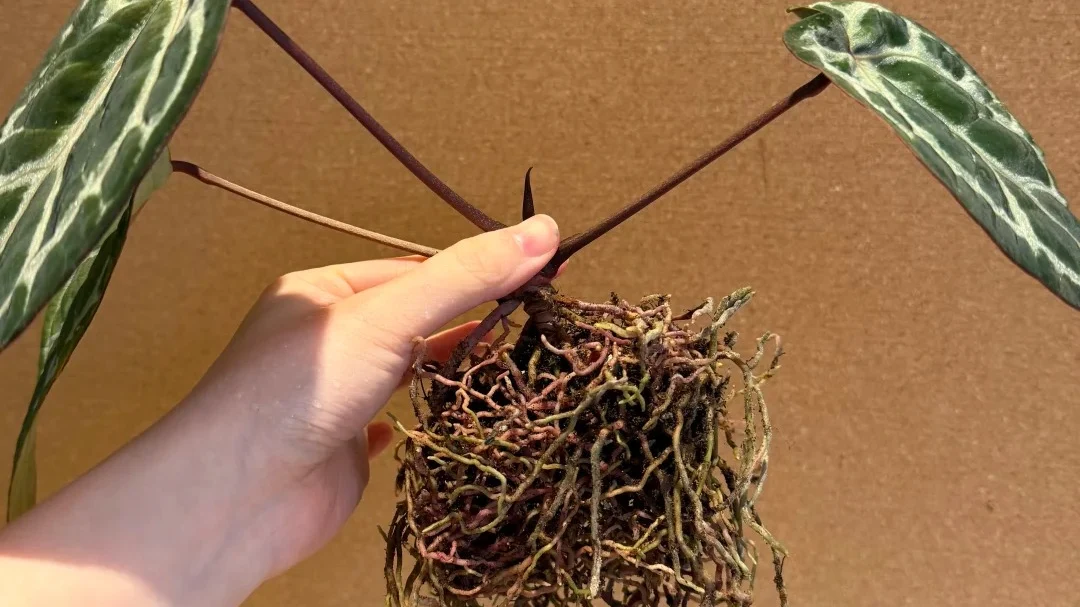
The later overwatering signs feel much less ambiguous. Once the stem base starts softening, or the roots begin turning hollow, black, or mushy, I stop treating it as a borderline situation. By that point, the root zone is no longer just uncomfortable. It is actively breaking down.
That is the stage most growers fear, and for good reason. It is no longer about adjusting watering habits alone. It has already moved into recovery territory. The plant may still be saveable, but this is the point where I stop thinking in terms of “maybe overwatered” and start thinking in terms of root-zone failure.
What I Actually Do When I Think an Anthurium Is Staying Too Wet
Once I started recognizing this pattern, I stopped expecting one simple fix to solve it. What I do now depends on how far the plant seems to have gone, and whether I am looking at a root zone that is merely staying too wet or one that is already starting to fail.
I Stop Watering on Schedule and Start Reading the Pot
The first thing I do is stop watering by routine. I no longer find fixed intervals very useful with Anthuriums, because the same plant can dry at a completely different speed depending on temperature, light, airflow, season, and how heavy the mix has become over time.
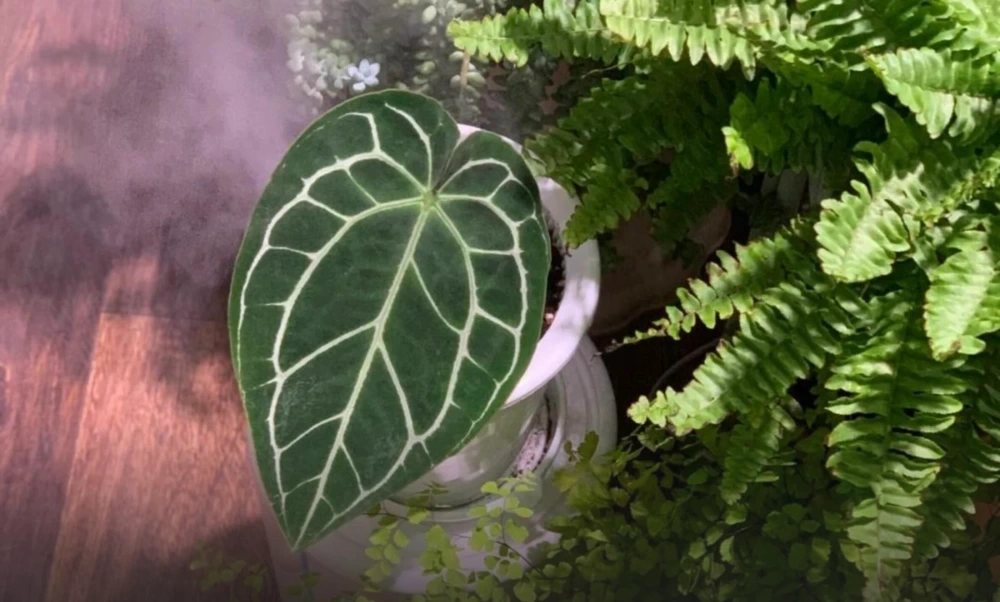
What matters more to me is whether the pot is actually drying below the surface. A dry-looking top layer does not tell me much on its own. I want to know whether the root zone deeper down is still cool, damp, and heavy, or whether it is finally starting to open up and breathe again. Once I started reading the pot that way instead of following a schedule, I made far fewer overwatering mistakes.
I Check the Root Zone If Growth Has Stalled or the Pot Never Seems to Lighten
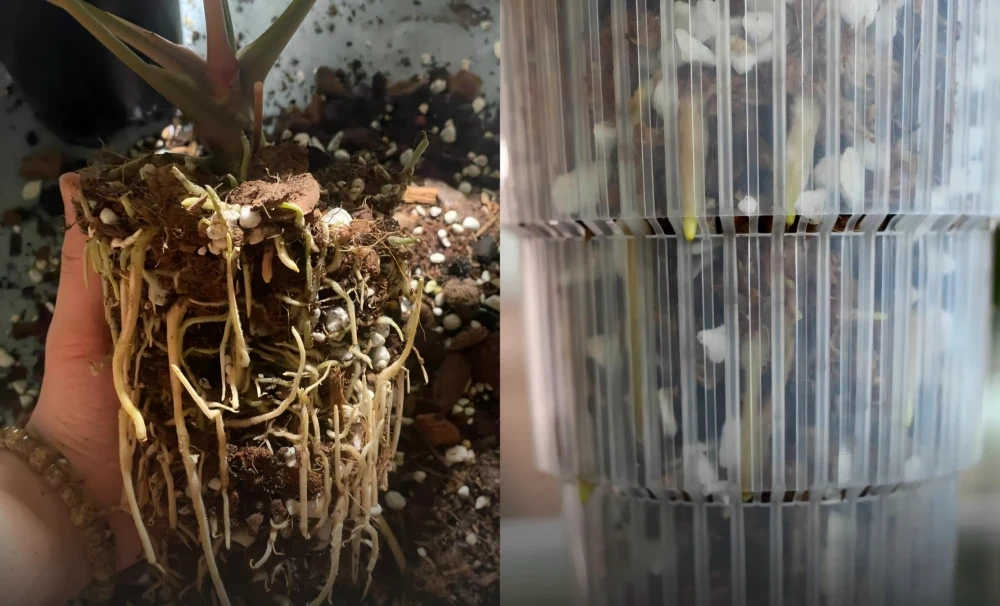
I do not unpot a plant the moment I get suspicious, but there are certain situations where I stop waiting too long. If the Anthurium has stalled for weeks, the pot seems to stay wet forever, or the whole plant keeps looking tired no matter what I do above the soil, I start thinking much more seriously about checking the roots.
At that point, I would rather see what the root zone actually looks and smells like than keep guessing from the leaves alone. For me, it is usually the combination of lingering wetness and stalled growth that makes the difference.
I Change the Mix If It Is Holding More Moisture Than the Plant Can Handle
Sometimes the plant is not really suffering because I poured in too much water once. It is suffering because the medium is holding onto moisture in a way that no longer suits the plant. That is especially true with mixes that are too peat-heavy, too fine, compacted over time, or simply too cold and airless for too long.
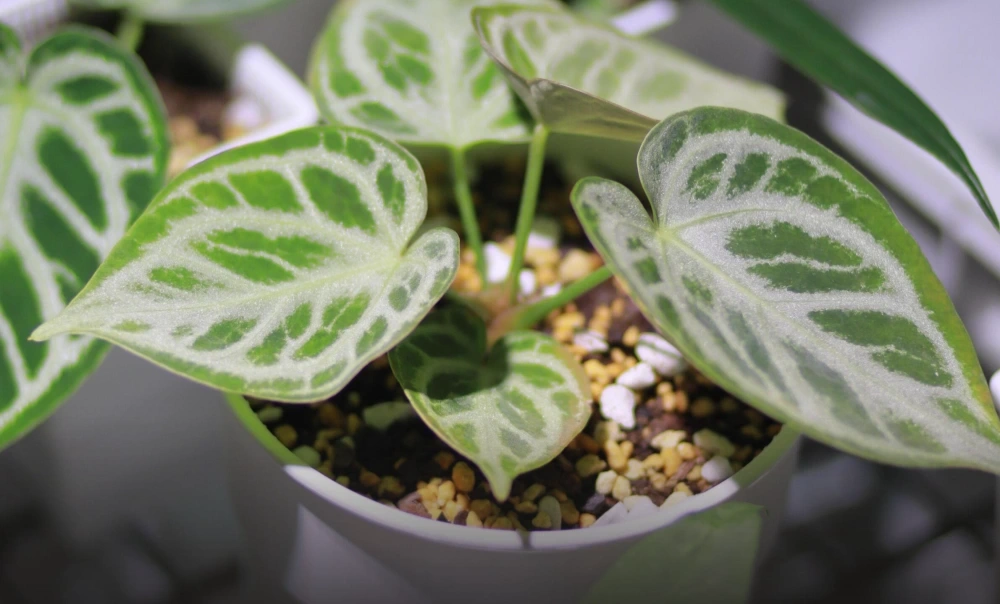
When I notice that pattern, I stop blaming the watering can and start looking harder at the structure of the mix. Anthuriums can handle steady moisture much better when the root zone still has air and movement in it. If the medium feels heavy, stale, and slow to dry, I usually think about rebuilding it into something chunkier and more breathable rather than just trying to water “more carefully” in the same setup.
I Treat Soft Roots or Stem Bases as a Recovery Problem, Not a Watering Adjustment
Once the roots turn soft, hollow, black, or mushy, or the stem base starts losing firmness, I stop thinking in terms of minor adjustments. At that point, this is no longer just a question of waiting longer between waterings. The plant has already moved into recovery territory.
That usually means I am looking at damaged tissue that needs to be cut away, a potting setup that needs to be changed, and a plant that may need a much gentler recovery period afterward. In other words, once the roots or stem base soften, I no longer think, “I should water less.” I think, “This root zone has already failed in part, and now I need to help the plant recover from that.”
Overwatering Taught Me to Think About Time, Not Just Water Volume
The biggest thing overwatering changed for me was how I define it in the first place. I used to think in terms of volume — too much water, too often, too obvious. Now I think much more about duration. A plant does not always get into trouble because of one heavy watering. More often, it gets into trouble because the root zone stays wet longer than the roots can comfortably handle.
That is why the real problem is so often not drama, but drag. The mix stays cool, dense, and damp. The plant does not crash all at once, but it stops growing with confidence. The leaves look a little duller, the whole plant feels weaker, and by the time obvious rot appears, the roots have usually been uncomfortable for quite a while already.
This is also why cold, stale, poorly aerated root zones cause so much trouble. Anthuriums do not just need moisture. They need moisture in a root zone that still has enough air and warmth to support active roots. Once that balance is lost, the plant often tells you through stalled growth and quiet weakness long before it shows you dramatic damage.
With Anthuriums, overwatering often looks less like “too much water” and more like roots that have been left wet, cold, and airless for too long.
FAQ
Still unsure what your Anthurium is trying to tell you?
Overwatering is only one part of the picture. If your Anthurium is also yellowing, drooping, stalling, browning, or showing root trouble, I’ve gathered the most common Anthurium problems I’ve run into indoors — and what actually helped in each case.
Go to Problems Hub →