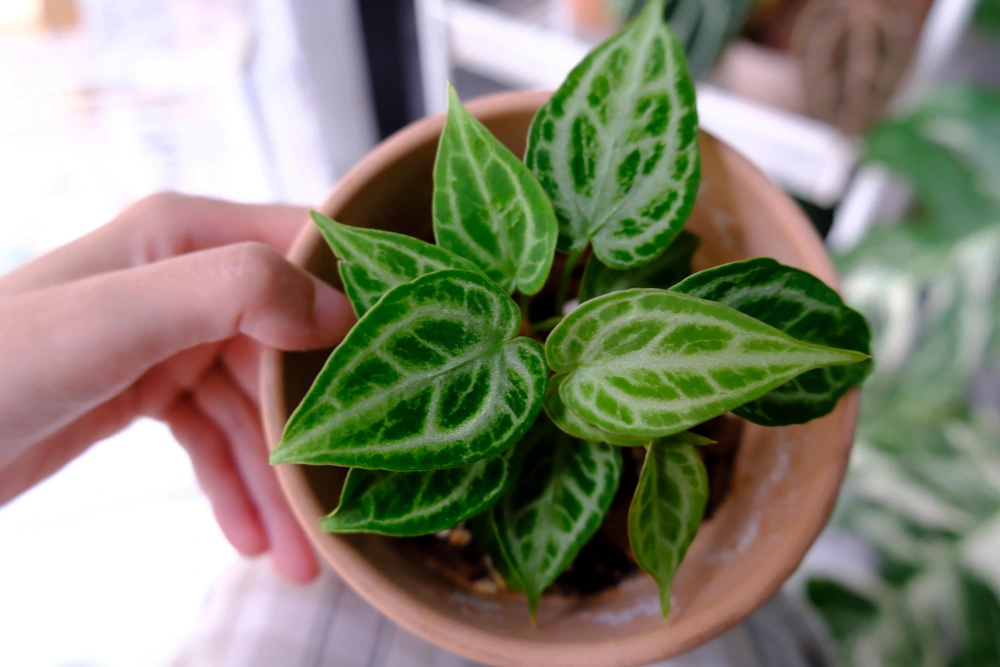
Anthurium vittarifolium is one of those anthurium varieties I wanted for the long, pendant leaves. In my head, I imagined it hanging down right away, almost like a green curtain. But when I first grew mine, it did not behave like that at all.
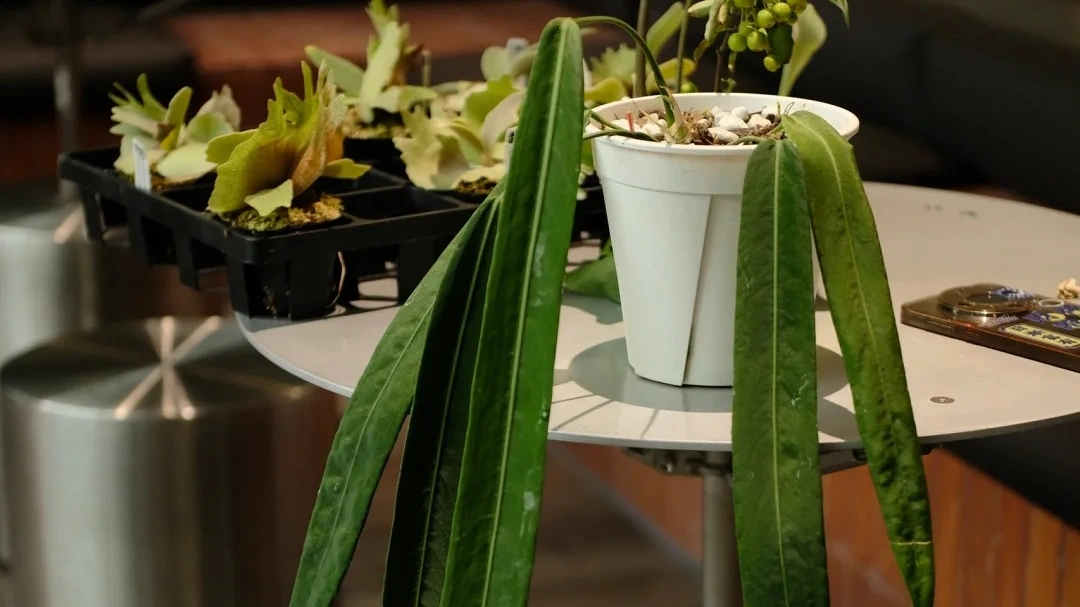
The leaves stayed much more upright than I expected. For a while, I kept wondering if I was doing something wrong, because it looked healthy enough, just not very “strap-leaf anthurium” in shape yet.
Later I realized that a young or smaller Anthurium vittarifolium does not always trail immediately. The leaves need enough length and weight, the stem still has to mature, and the plant also needs enough vertical space to let the leaves fall naturally. If the pot is sitting too low or the plant is still small, the pendant shape may not show itself yet.
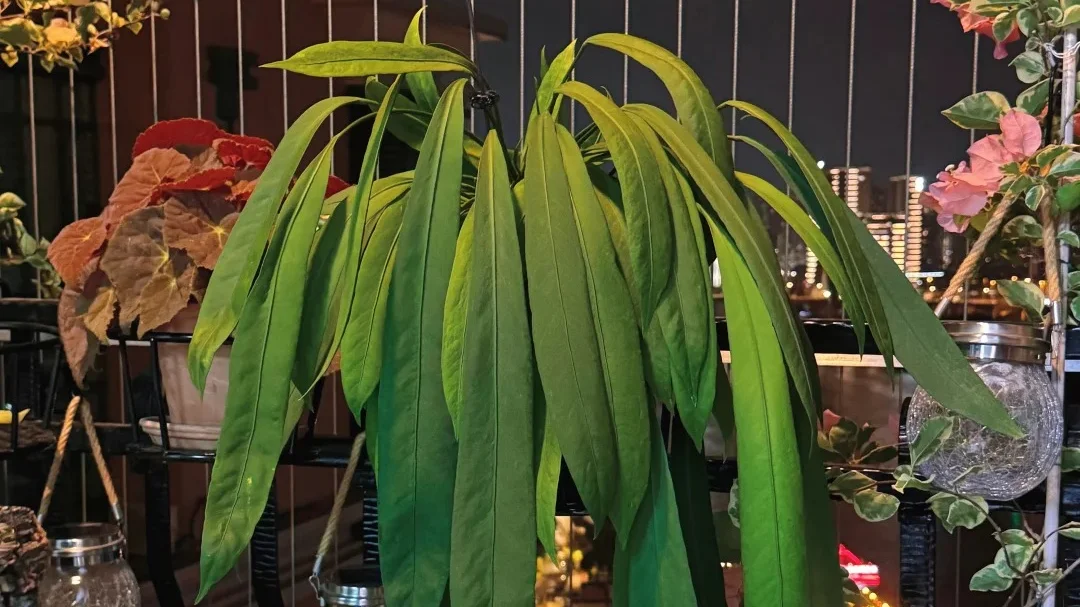
Once mine grew larger and I placed it higher, the whole shape started to change. Later, when I set it on a sphagnum moss ball and let the leaves fall more freely, it finally started looking like the plant I had imagined — almost like a living piece of wall art.
I used to think Anthurium vittarifolium should hang down right away. Now I see the pendant habit as something the plant grows into.
Why My Anthurium vittarifolium Did Not Hang Down at First
At first, my Anthurium vittarifolium looked too upright for what I expected. The leaves were narrow and healthy, but they were still too short and light to pull themselves downward.
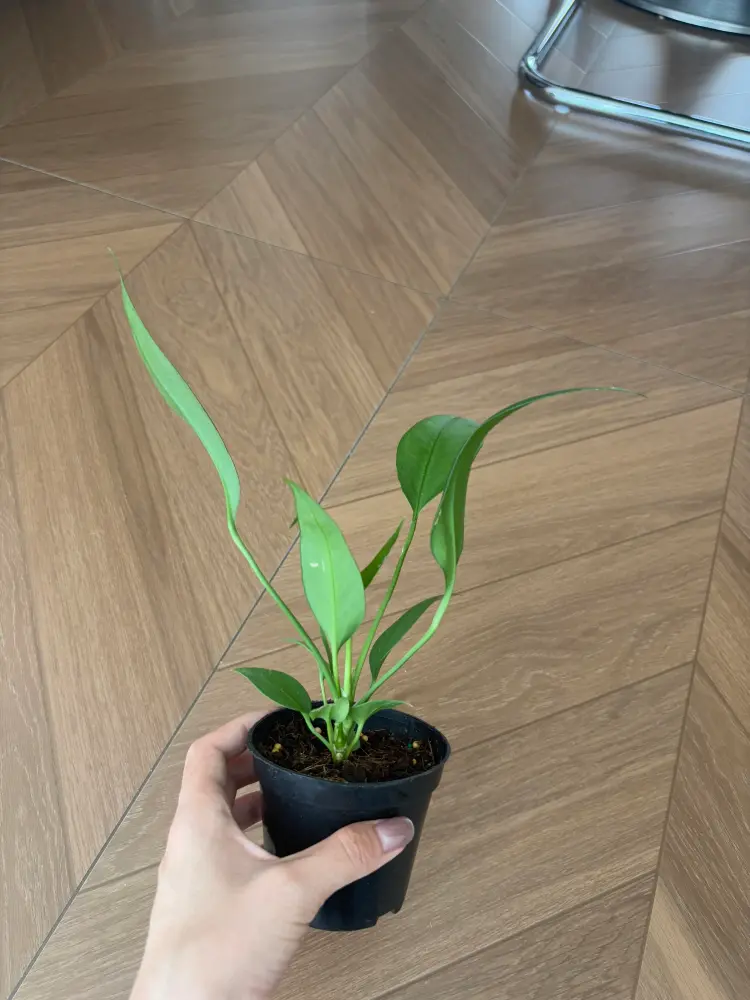
The display position also mattered. When the pot sat low on a shelf, the leaves had nowhere to fall. Once I placed the plant higher, the shape started to make more sense.
As the plant grew larger and the leaves gained weight, they began to hang more naturally. Raising the pot can help the pendant shape show sooner, but the plant still needs time to mature.
If the plant is also growing very slowly or making weak leaves, I would check whether it is getting enough bright indirect light before blaming the shape itself.
What Changed When I Raised It and Added a Moss Ball
After about two months, the plant had grown enough that I could finally see the shape changing. It still was not dramatically long yet, but the leaves had more weight, and the whole plant looked more ready to fall downward instead of standing upright.
The first thing that helped was simply placing it higher. Once the pot was no longer sitting low on a shelf, the leaves had room to drop naturally. That sounds obvious, but with strap-leaf anthuriums, display height really changes how the plant looks.
Later, I placed it on a sphagnum moss ball and let the leaves trail down from there. That made the plant feel much more natural. Instead of looking like a regular potted plant with narrow leaves pointing in different directions, it started to look like a pendant plant. I still want the base and roots to have a breathable setup, similar to the logic I use for an airy anthurium potting mix.
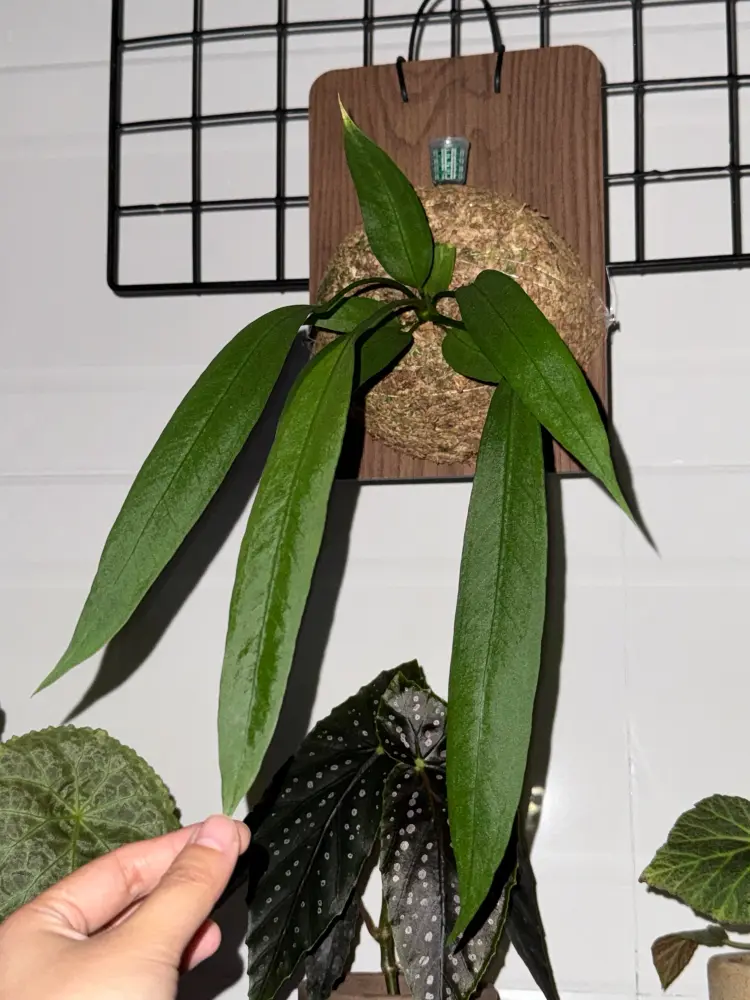
This was the point where I finally understood why people like growing Anthurium vittarifolium vertically. When the leaves have enough space to fall, the whole plant feels softer and more elegant. Hanging on the wall, it looked almost like a living piece of art.
For a strap-leaf anthurium, I now think display height is part of the care. The plant can be healthy, but it will not show its best shape if the leaves have nowhere to hang.
The Setback: When One Stem Was Carrying Too Much
Later, the plant went through a weaker period, and this part was my own care lesson. It was not dying, but it clearly was not growing with the strength it should have had.
At that point, the plant had one stem carrying three growth points. From the outside, that sounds like a good thing — more growth points should mean more leaves. But in reality, the plant looked underdeveloped. The leaves stayed small, and the whole plant seemed like it did not have enough support from the base.
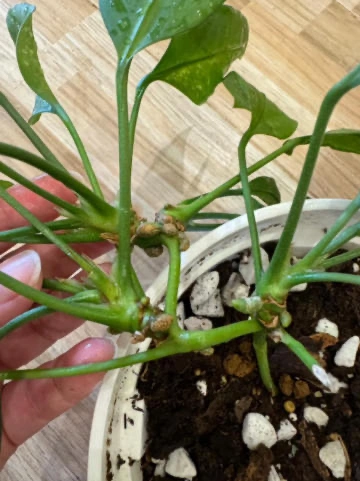
I do not think the issue was just fertilizer. Feeding more would not have fixed the structure of the plant. The growth points were not supported well enough, so the plant could not build strong leaves from that thin, stretched setup.
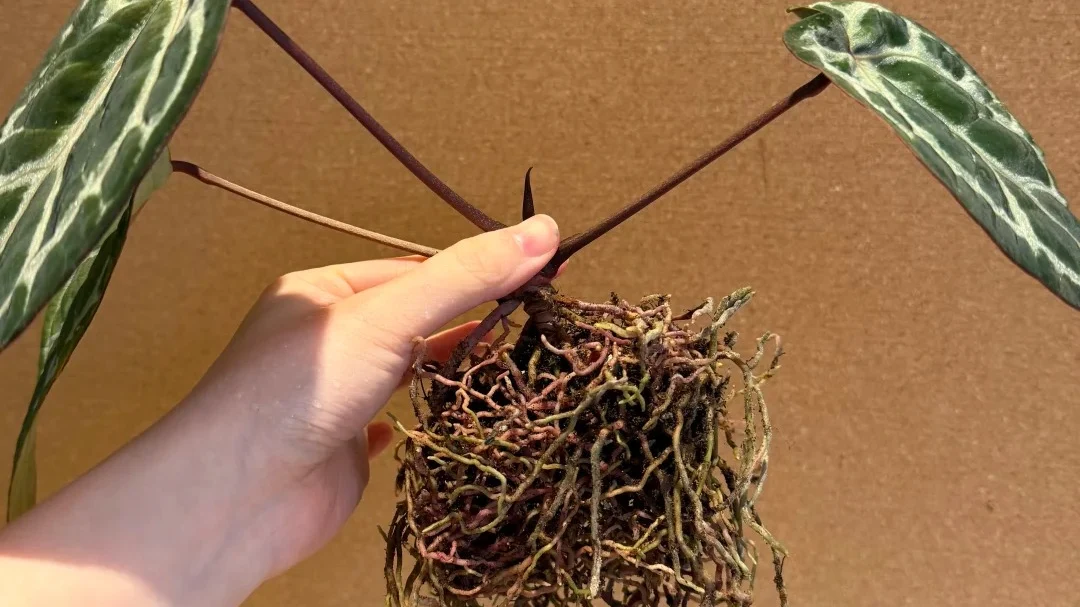
I asked a few more experienced tropical plant growers for advice, and the suggestion was very practical: seat the base of all three growth points into the mix so they could make better contact and build their own roots.
That changed the way I looked at the plant. Instead of treating it like one long stem trying to carry everything, I started thinking about how each growth point needed a better chance to root, stabilize, and support its own growth. Once the base was supported more properly, the plant had a much better chance to regain activity.
How It Recovered Over the Next Seven Months
After I repositioned the growth points into the potting mix, the recovery was not instant, but it was steady. The plant slowly started to look more balanced. Instead of one thin stem trying to carry everything, the growth points had better contact with the mix and more chance to build their own support.
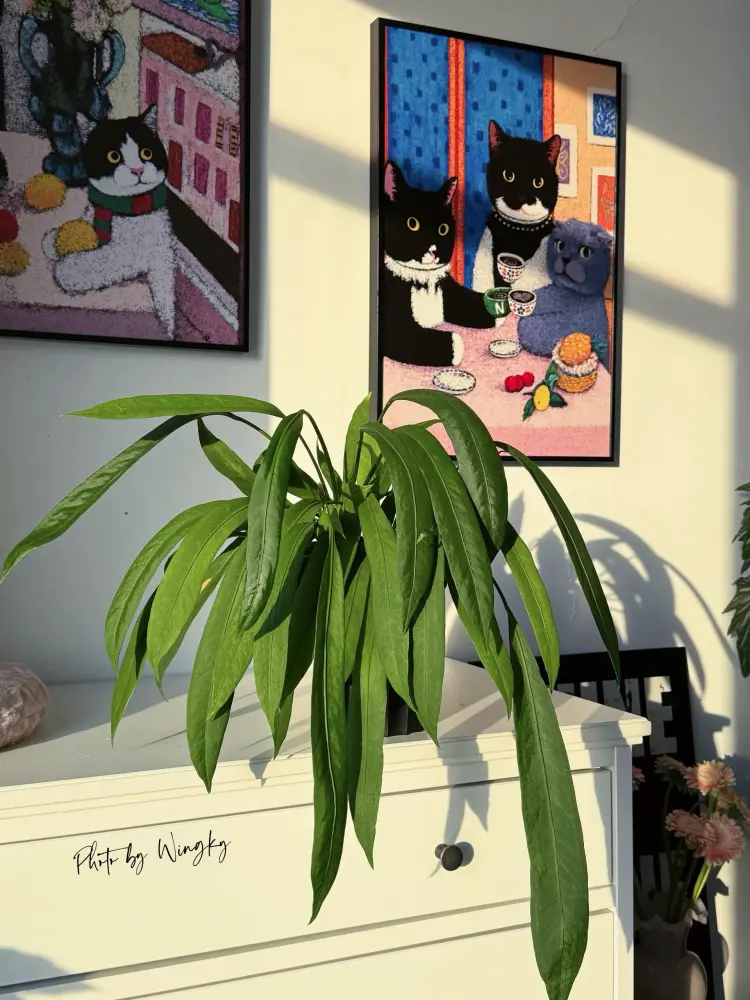
Over the next seven months, it produced many more leaves. The leaves were still not huge at first, but the plant no longer looked like it was just barely holding on. It had more rhythm, more activity, and a fuller shape.
One thing I came to appreciate about Anthurium vittarifolium is how tough the leaves are. They stay thick, they do not seem to decline as quickly as some softer velvet-leaf anthuriums, and the plant handled heat better than I expected. Once it became established again, it felt much more forgiving than many of my other anthuriums.
I would not call it a fast plant from the beginning, especially when it is young or poorly supported. It can look awkward for a while. But once the base is stable and the roots are active, Anthurium vittarifolium becomes surprisingly easygoing and can come back strongly.
What I Would Do Differently Next Time
If I grew Anthurium vittarifolium from this stage again, I would be more patient with the shape but more careful with the support. I would not judge the plant too early just because the leaves are not hanging down yet. A young plant may simply need more size, more leaf weight, and more vertical space.
What I would change sooner is the display height. I would raise the pot earlier, or place it somewhere the leaves can fall freely instead of being pushed sideways on a shelf. For this kind of strap-leaf anthurium, the way it is displayed affects how good it looks.
I would also pay more attention to the base. If there are several growth points, I want them to have good contact with the mix or moss, not sit on one thin unsupported stem for too long. Aerial roots and growth points need somewhere useful to grow into.
Looking back, these are the small things I would handle differently:
- If the leaves are not hanging yet: I would raise the pot and give the plant more time to gain leaf weight.
- If several growth points are making small leaves: I would make sure the base is supported and the growth points have better contact with the mix.
- If the long leaves are crowded on a shelf: I would move the plant somewhere the leaves can trail freely.
- If the plant is slow but still alive: I would keep the care steady instead of changing too many things at once.
The biggest change I would make is simple: I would treat Anthurium vittarifolium less like a regular tabletop plant and more like a plant that needs vertical space from the beginning.
When I Finally Let It Hang
Anthurium vittarifolium does not always look impressive when it is young. Mine looked awkward for a while, and later it went through a weak stage when the growth points were not supported well enough.
What changed my view of this plant was time, structure, and space. Once the plant had more leaf weight, better contact at the base, and enough room to hang, the whole shape finally made sense.
Now I see Anthurium vittarifolium as one of the more forgiving strap-leaf anthuriums once it is established. The leaves are thick, it handles heat better than many of my softer anthuriums, and it does not decline easily when the base is healthy.
For me, Anthurium vittarifolium became beautiful after I stopped treating it like a normal potted plant and started giving it the space to hang like it wanted to.
FAQ
Still comparing Anthurium varieties?
If you’re trying to figure out which anthuriums are actually worth growing indoors, my Anthurium varieties hub is a better place to compare leaf texture, growth habits, and overall difficulty side by side.
Explore Anthurium Varieties →