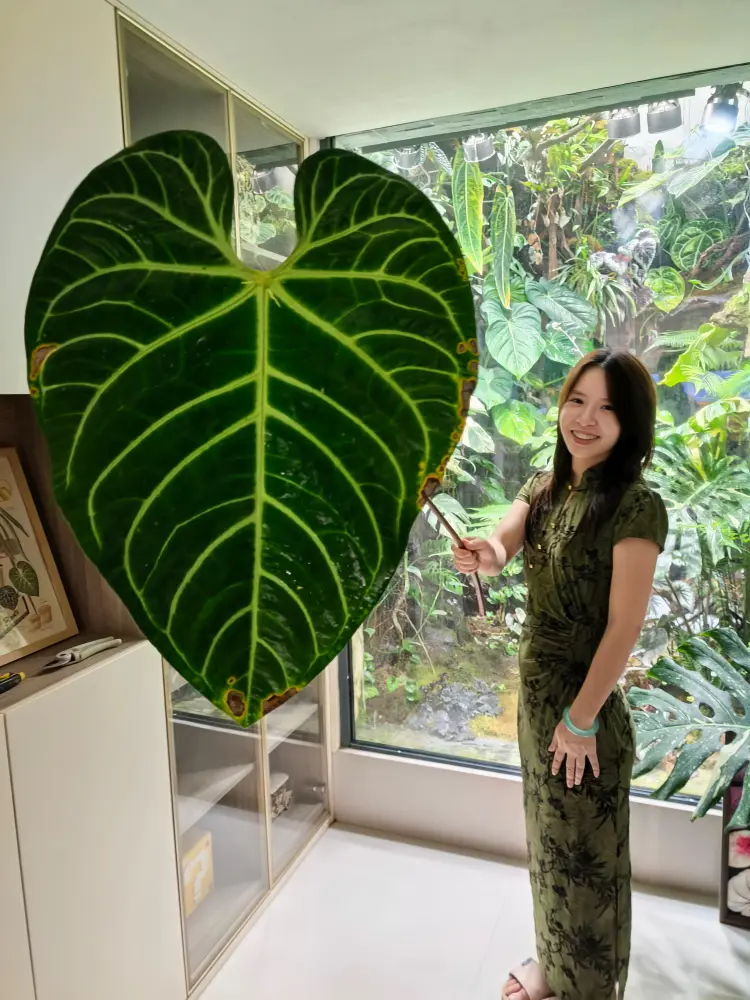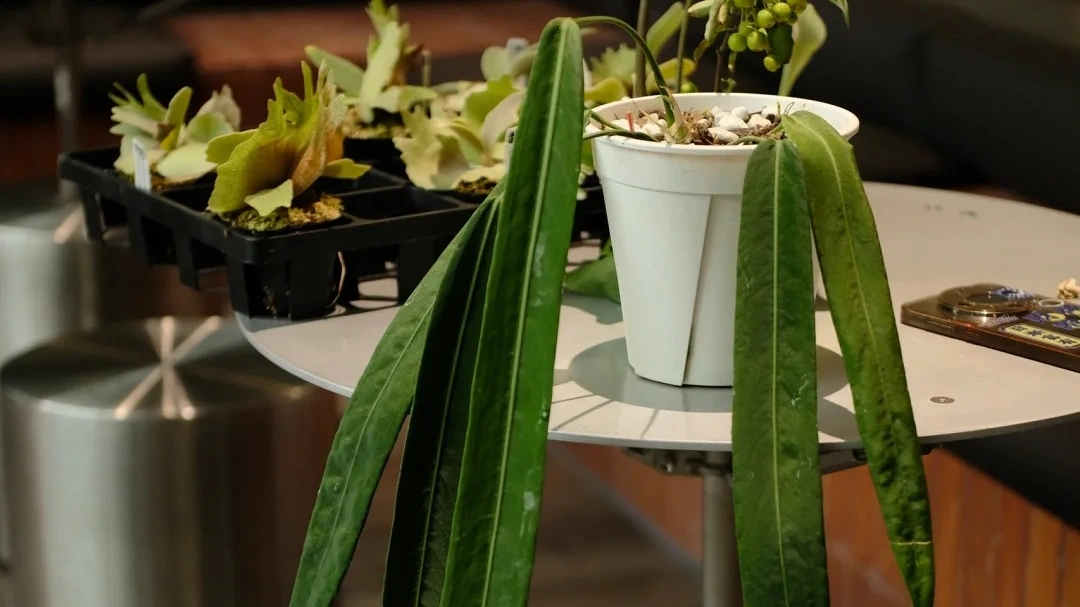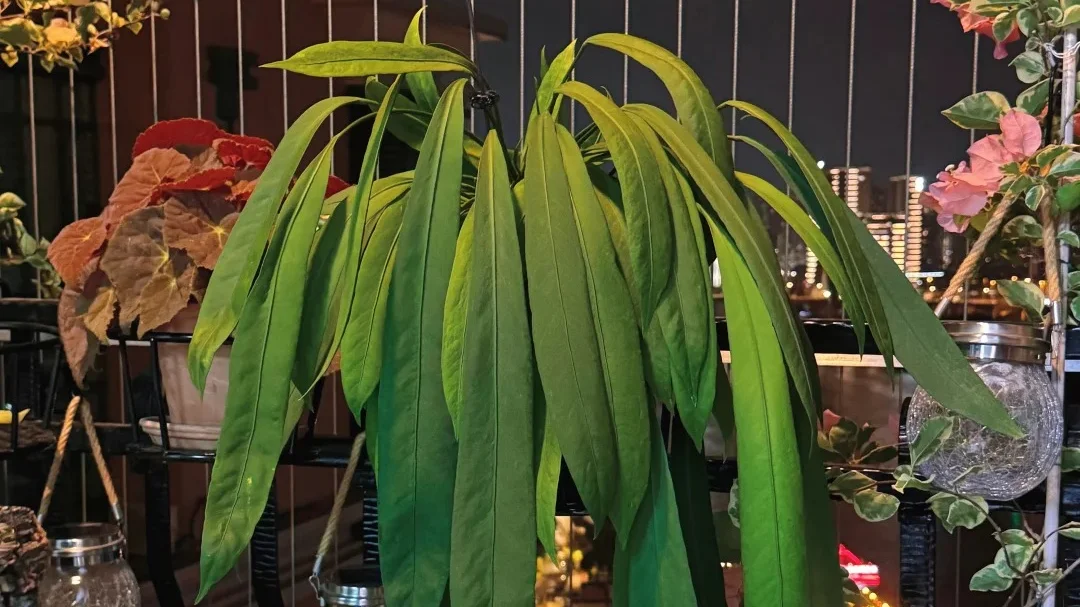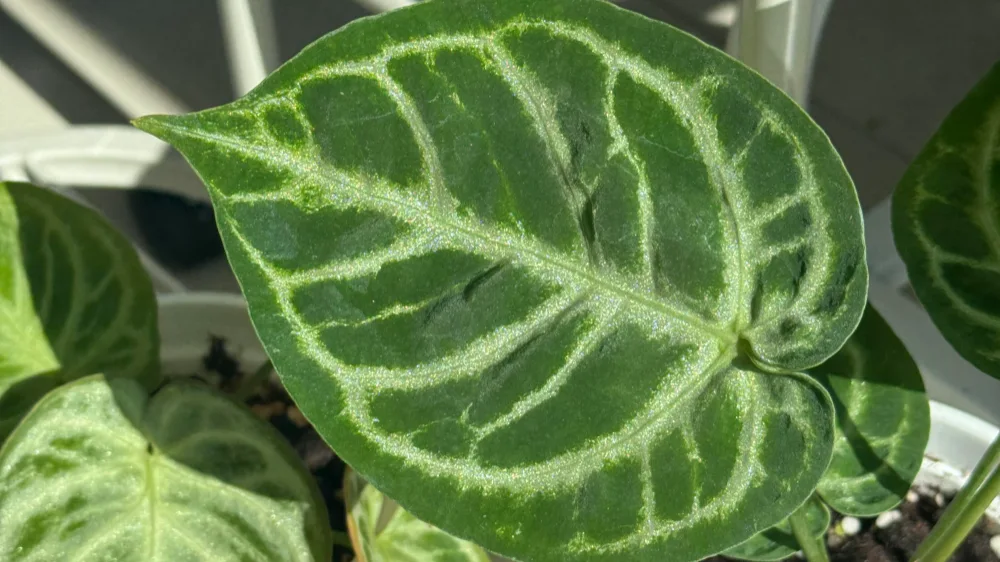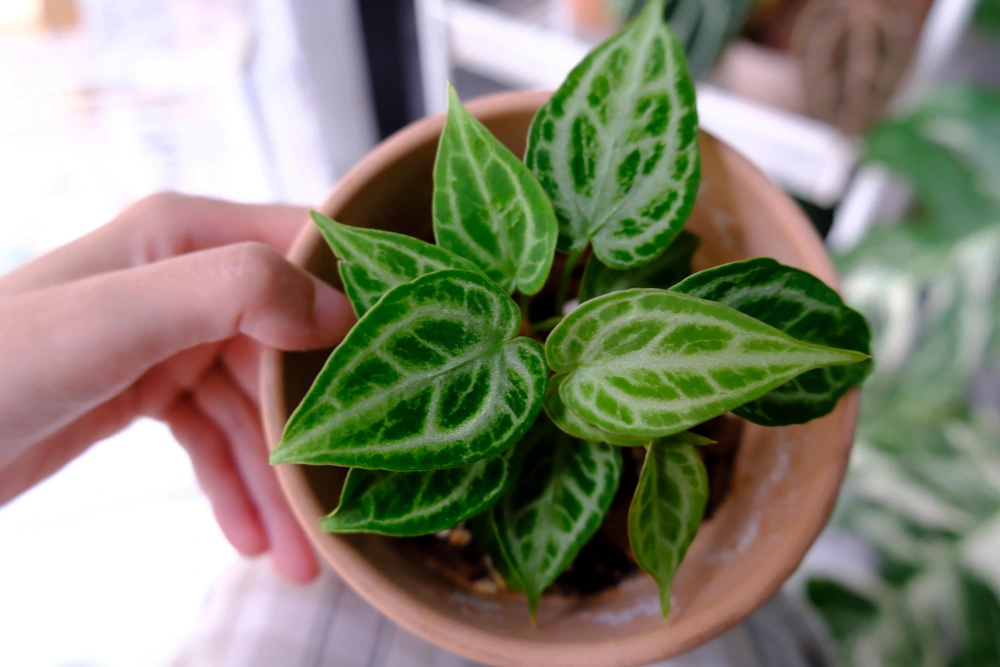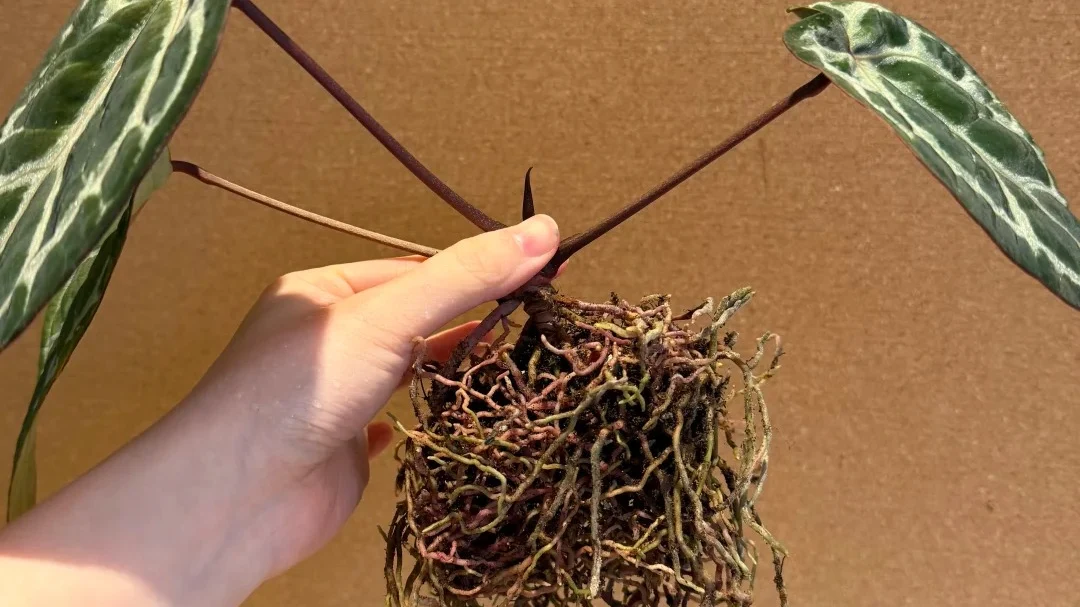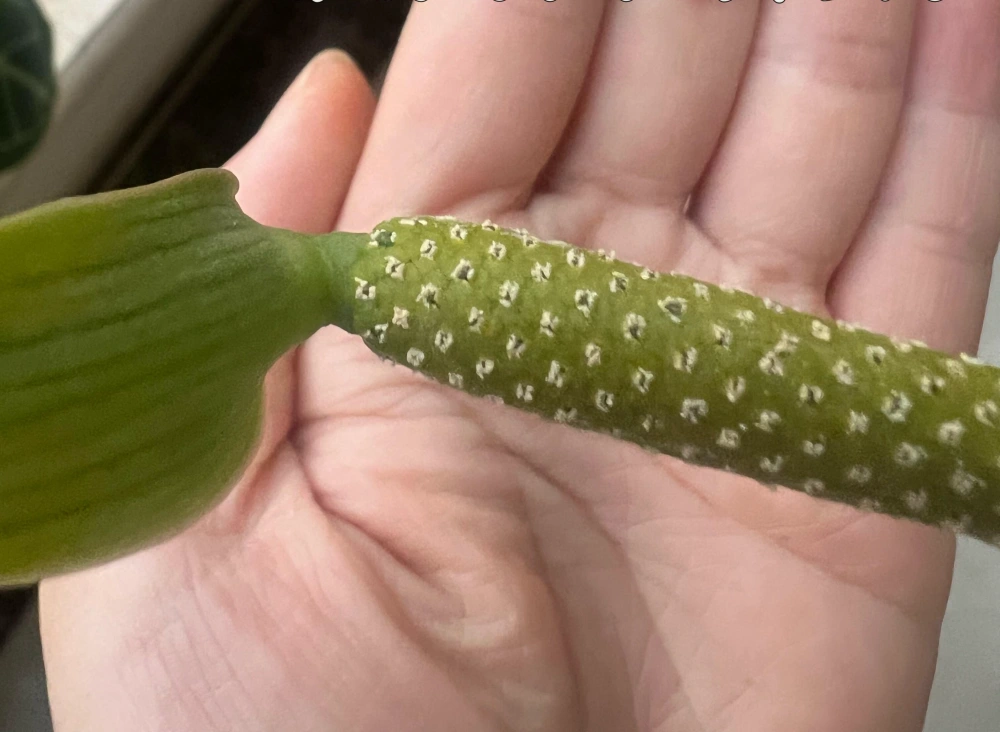
Yes — Anthurium is toxic to cats. In real life, the bigger issue is not just having the plant in the house. It is what happens if a cat actually bites it, chews it, or gets the plant material in the mouth.
Anthurium can cause immediate mouth irritation, which is why cats may drool, paw at the mouth, vomit, or pull away soon after chewing it. In this guide, I’ll focus on the symptoms I would watch for, what I would do right away, and how I think about living with Anthuriums and cats in the same home. If you also have dogs at home, it is worth checking separately whether Anthurium is toxic to dogs, because the real-life risk does not always play out in exactly the same way.
Symptoms to Watch For If a Cat Bites Anthurium
The symptoms usually show up quickly because the problem is immediate irritation, not a delayed reaction. When a cat bites or chews an Anthurium, the insoluble calcium oxalate crystals can irritate the mouth, tongue, lips, and throat right away. That is why many cats react almost immediately after chewing the plant.
Common symptoms to watch for
- sudden drooling
- pawing at the mouth or face
- obvious mouth pain or pulling away after chewing
- vomiting or retching
- decreased appetite
- trouble swallowing
These are the most common signs reported with Anthurium exposure in pets. In rarer but more serious cases, swelling in the back of the throat can make breathing difficult, which is when the situation becomes more urgent.
A quick practical note
In practical terms, Anthurium chewing usually does not look subtle. Even if the cat did not swallow much, obvious mouth pain, drooling, vomiting, or swelling still matter. So I would not judge the situation only by how much plant seems to be missing. I would judge it by how uncomfortable the cat looks and whether the reaction is building.
What to Do Right Away
If your cat chews an Anthurium, the first step is to take the plant away immediately so the cat cannot keep biting it. If there are visible plant pieces in the mouth and your cat will tolerate it, gently remove them and offer a small amount of water to help rinse some of the irritation away. The goal is not to force water, but simply to reduce ongoing contact with the plant material.
After that, watch closely for worsening signs. Mild mouth irritation and drooling may settle, but repeated vomiting, marked swelling, trouble swallowing, or any breathing difficulty should be treated as more urgent. If your cat seems very uncomfortable, cannot settle, or is having trouble breathing, call your veterinarian or an emergency veterinary clinic right away. Pet Poison Helpline and ASPCA both list oral irritation, drooling, vomiting, and swallowing problems as common signs with Anthurium exposure.
I would also keep a photo or cutting of the plant if you need to call a vet, so you can confirm exactly what your cat got into. Even when Anthurium exposure is not usually the most severe kind of plant poisoning, it is still painful and worth taking seriously—especially if the cat is small, keeps vomiting, or shows any sign of swelling in the mouth or throat.
Can You Keep Anthurium if You Have Cats?
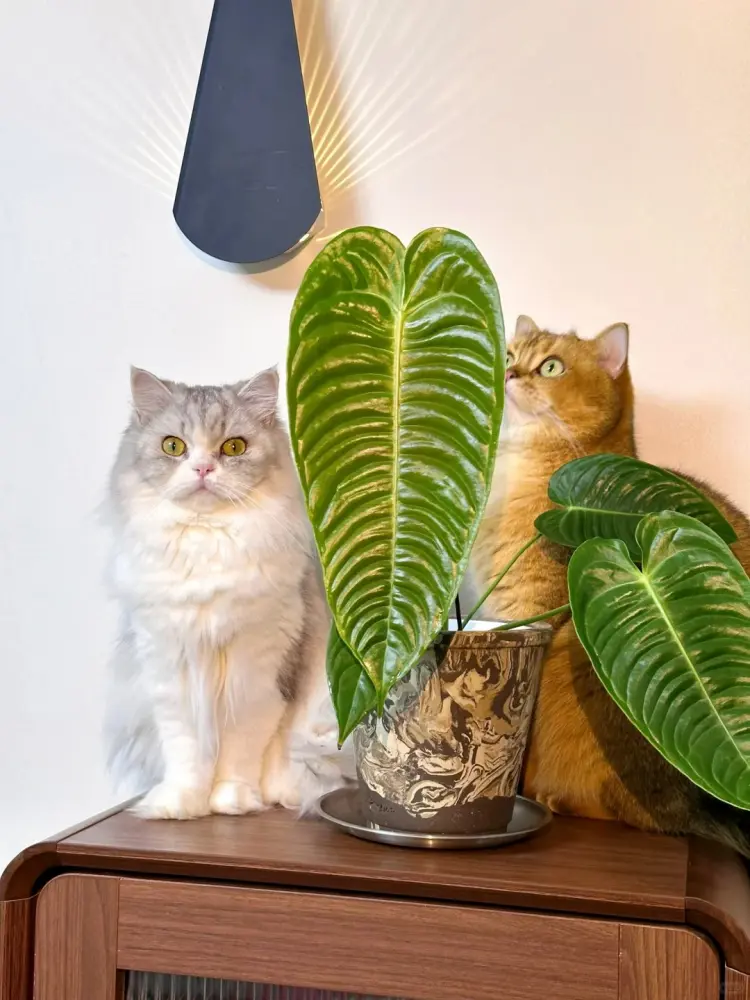
Yes, some people do keep Anthuriums in homes with cats. But I would not describe Anthurium as a plant that is simply fine around cats, because it can still cause painful mouth irritation, drooling, vomiting, and trouble swallowing if chewed.
For me, the real question is not just whether Anthurium is toxic. It is whether the plant is truly out of reach, and whether the cat has shown any interest in chewing plants at all. Some cats ignore houseplants for years. Others suddenly fixate on one leaf, one shelf, or one new plant the moment the setup changes.
So yes, it can be possible in some homes — but only if the setup is genuinely controlled. If a cat already chews leaves, jumps onto plant shelves, or gets obsessed with foliage, Anthurium is not a plant I would leave accessible.
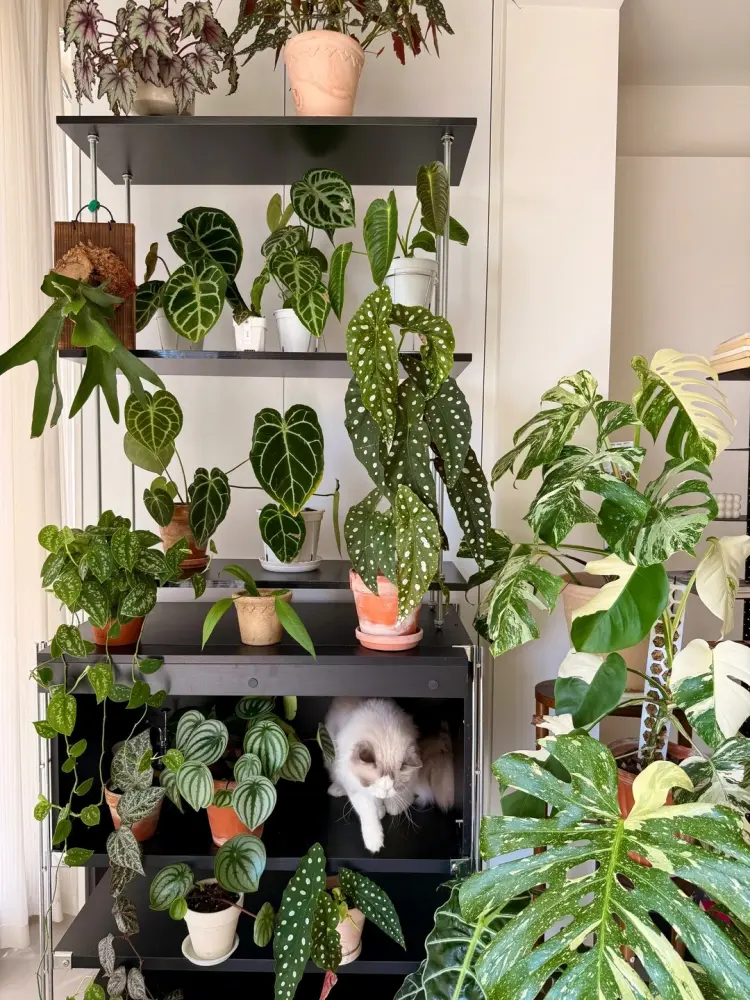
How I Reduce the Risk at Home
The biggest thing I have learned is that reducing risk at home is not really about pretending Anthurium is harmless. It is about being honest about the cat, the plant, and the setup. Some cats ignore plants for a long time. Others get suddenly interested for reasons that are hard to predict, especially when a plant is newly brought home, moved to a different spot, or starts pushing soft new growth.
In my own home, the first rule is simple: if I am keeping Anthurium around cats, the plant has to be truly out of reach, not just slightly higher than before. A tall shelf only helps if the cat cannot easily jump to it, climb it, or pull the plant down. I have learned that “probably fine” is not a setup I trust for toxic plants.
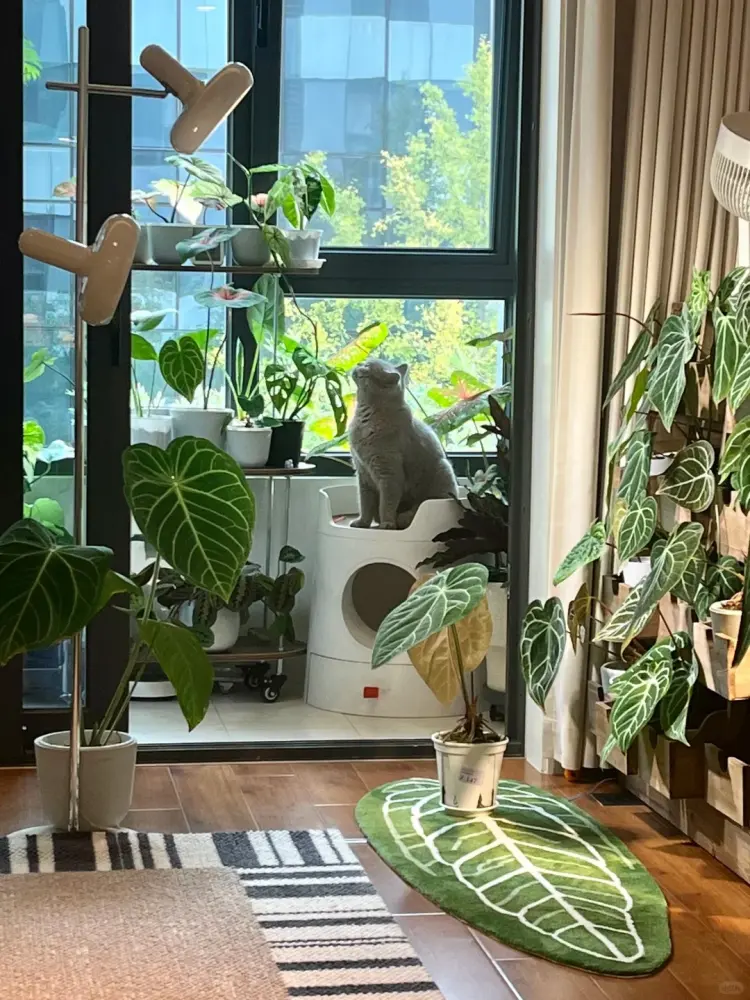
I also pay attention to the cat’s reaction, not just the plant list. If I bring a plant home and one of my cats is visibly fixated on it right away—sniffing, pawing, hovering, or clearly wanting to chew—I do not treat that as something to gamble on. If the plant is unsafe and the cat is already excited by it, I would rather move it out of the home than wait for an accident.
For cats that occasionally want to chew leaves out of boredom or curiosity, I think redirection matters too. Cat grass or other safe enrichment does not solve every problem, but it can help reduce random plant-chewing behavior. In real life, peaceful coexistence usually depends less on one trick and more on stacking small decisions in your favor: secure placement, honest observation, and not ignoring early signs that a cat is too interested.
Sometimes the Plant Needs Protection Too
One thing I do not think people talk about enough is that sometimes the plant needs protection too. With cats, the risk is not always just poisoning. Some cats ignore houseplants completely, but others chew leaves, paw at stems, knock pots over, or go after soft new growth long before they ever eat enough to cause a real toxic reaction.
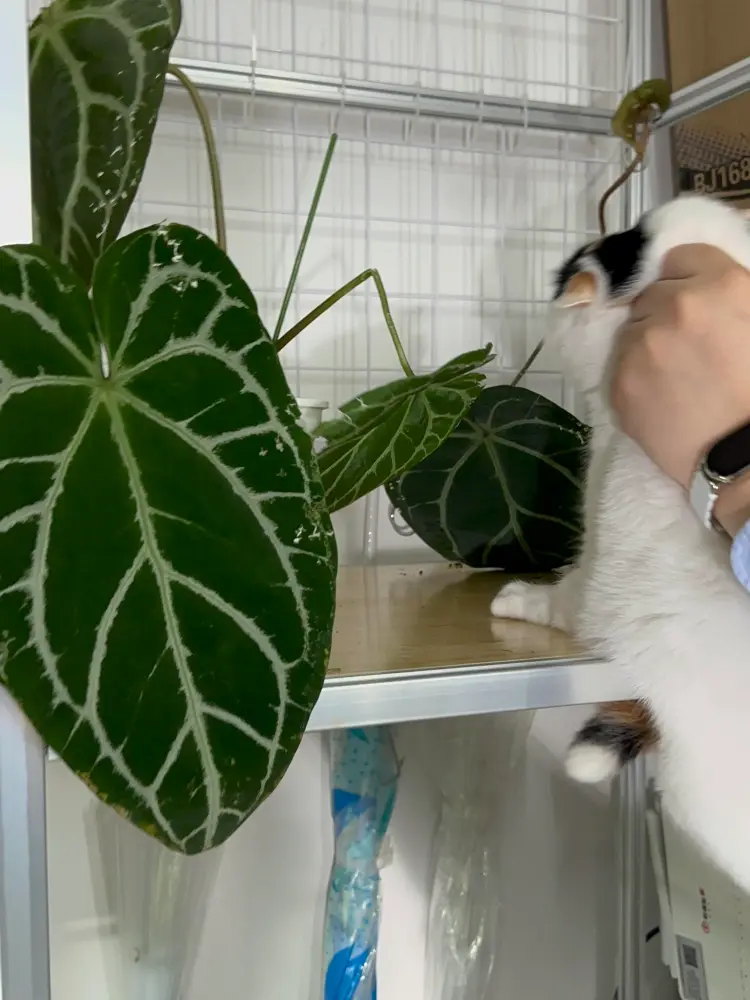
I learned this the hard way. Some of my cats ignored Anthuriums for a long time, which made the whole setup feel safer than it really was. But once a few plants were moved into a more exposed spot, the damage happened fast. Tender new leaves were the first to go, and that changed the way I think about “safe placement” completely.
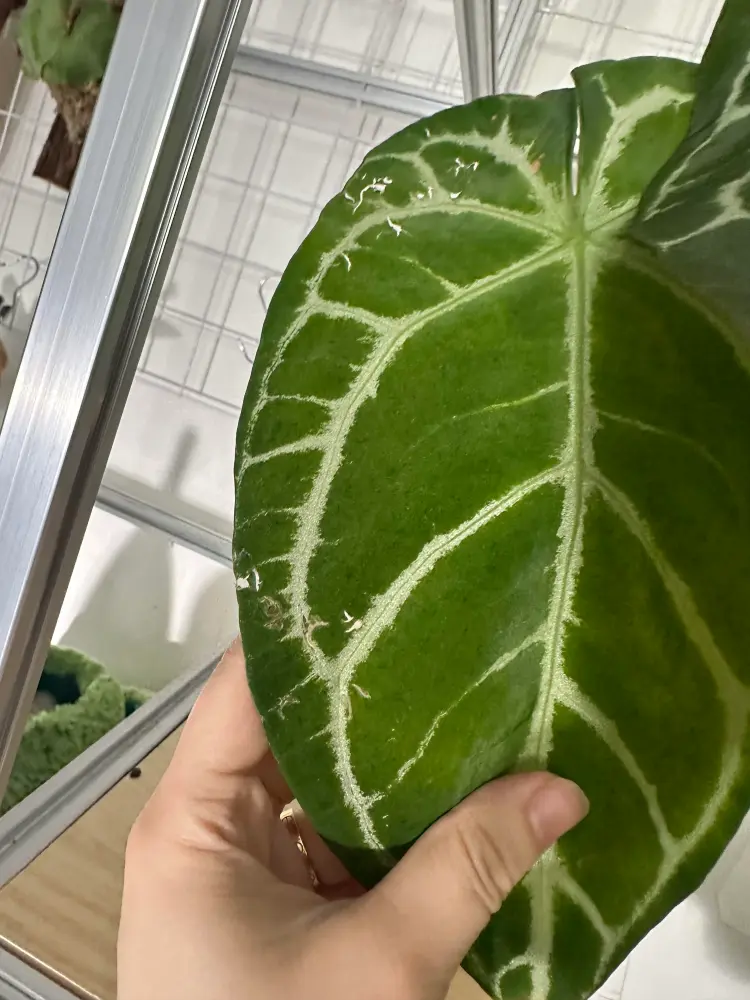
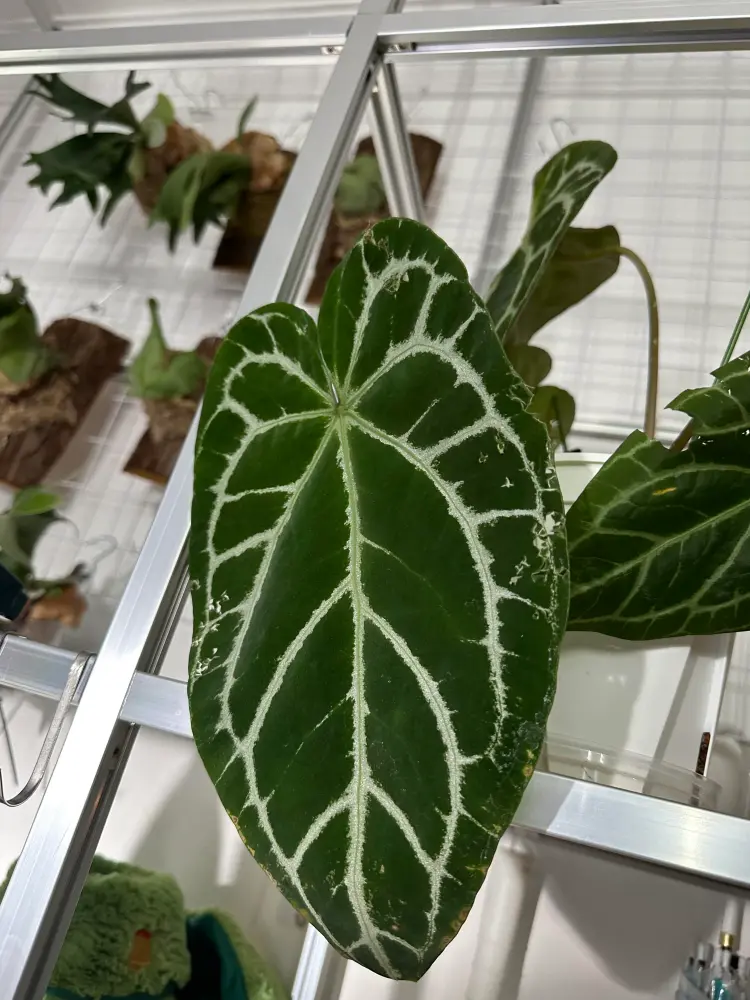
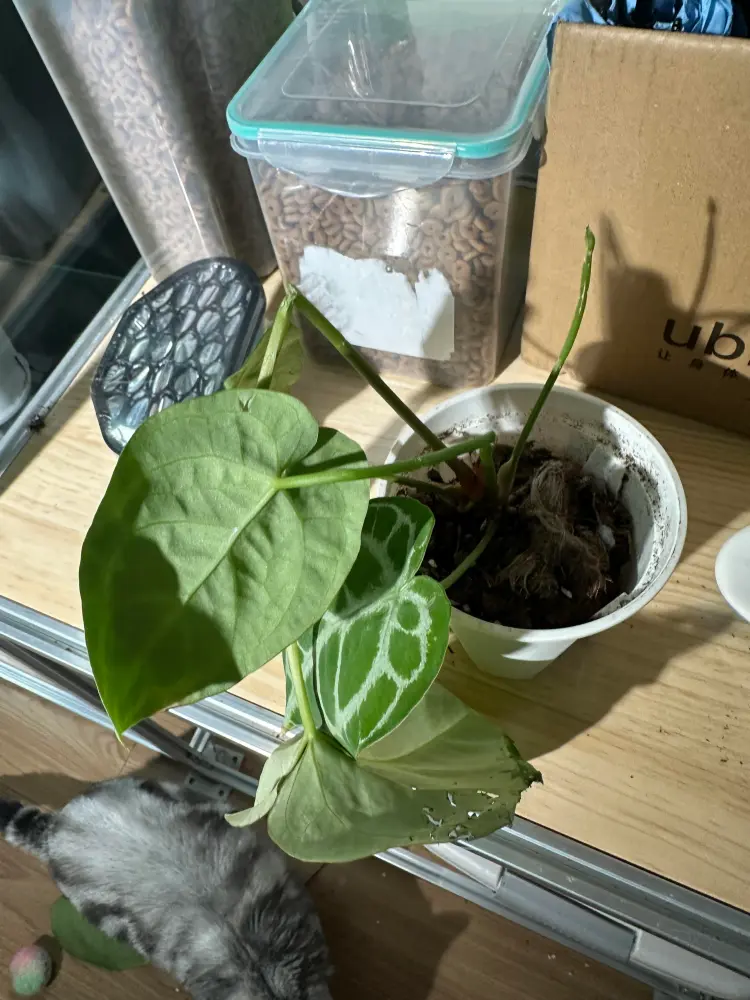
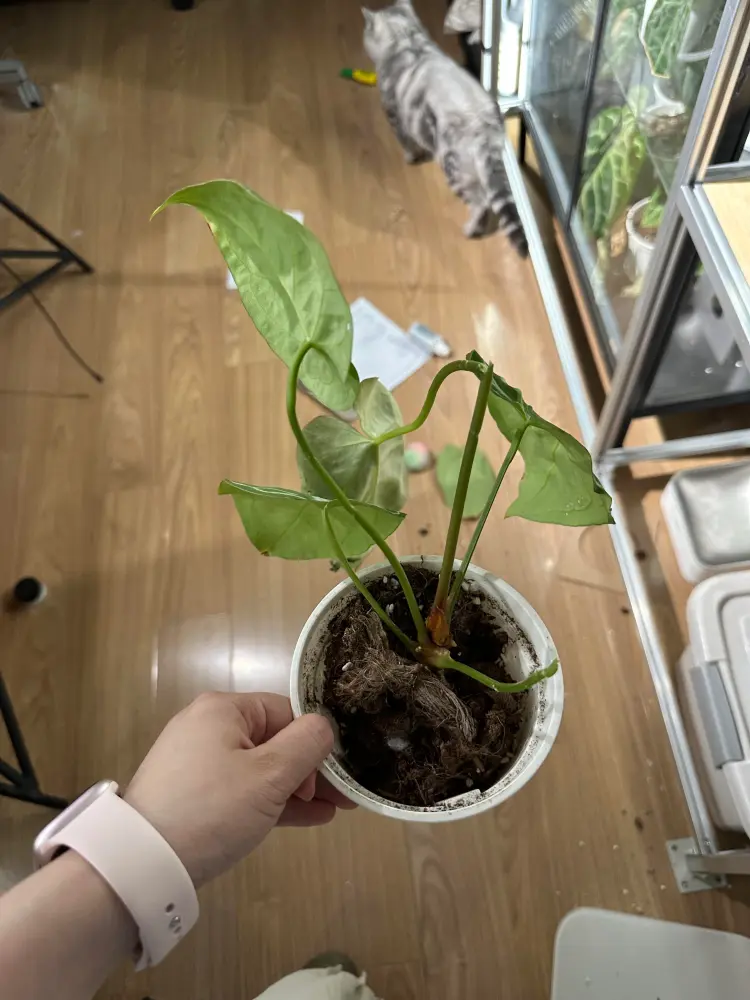
That experience changed the way I think about “safe placement.” A plant being high up is not always enough if the shelf is still reachable, unstable, or only meant to be temporary. In real homes, living with cats and Anthuriums is not only about protecting the cat from the plant. Sometimes it is also about protecting the plant from the cat.
What This Really Comes Down To
Anthurium is not a cat-safe plant. It contains insoluble calcium oxalate crystals and can cause immediate mouth pain, drooling, vomiting, and trouble swallowing if a cat chews it.
For me, that is what this really comes down to. Not just reading that Anthurium is toxic, but being honest about the cat, the setup, and how quickly things can change once a plant becomes interesting. Living with cats and Anthuriums can be possible, but only when I treat “out of reach” as something real, not something I just hope is true.
FAQ
Looking into other Anthurium issues too?
If you are troubleshooting more than one Anthurium issue at home, I’ve also put together a full problems hub covering yellow leaves, drooping, browning, stalled growth, and root-related stress I’ve run into indoors.
Go to Problems Hub →