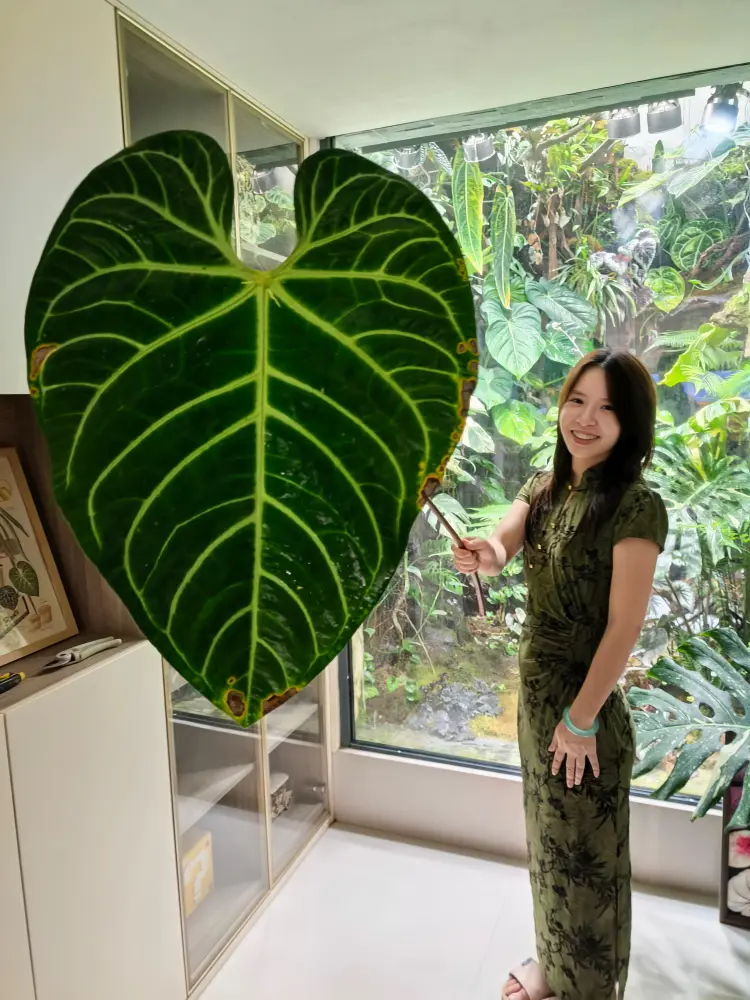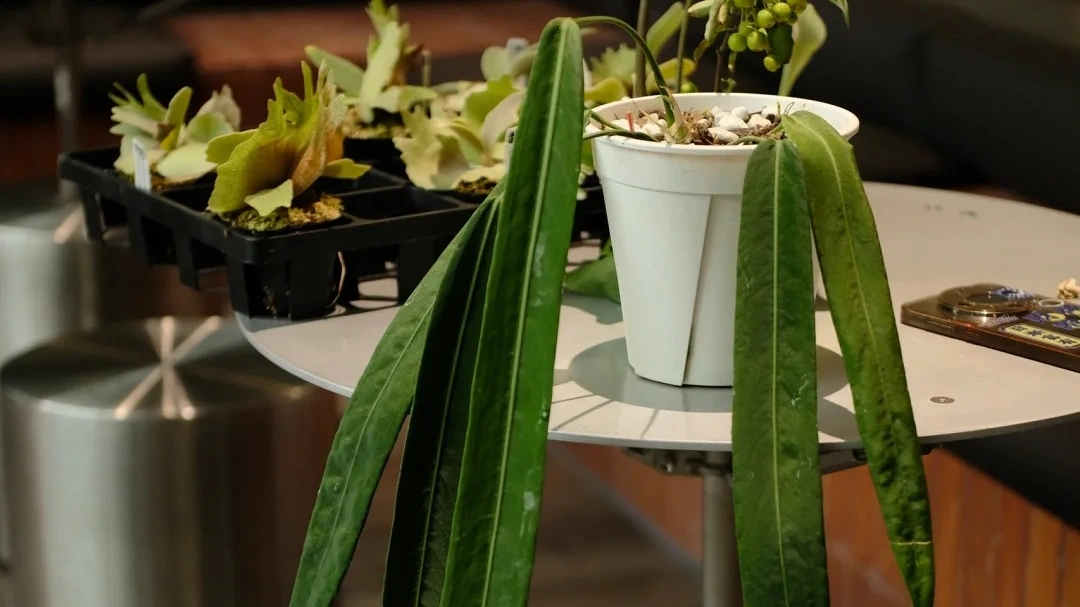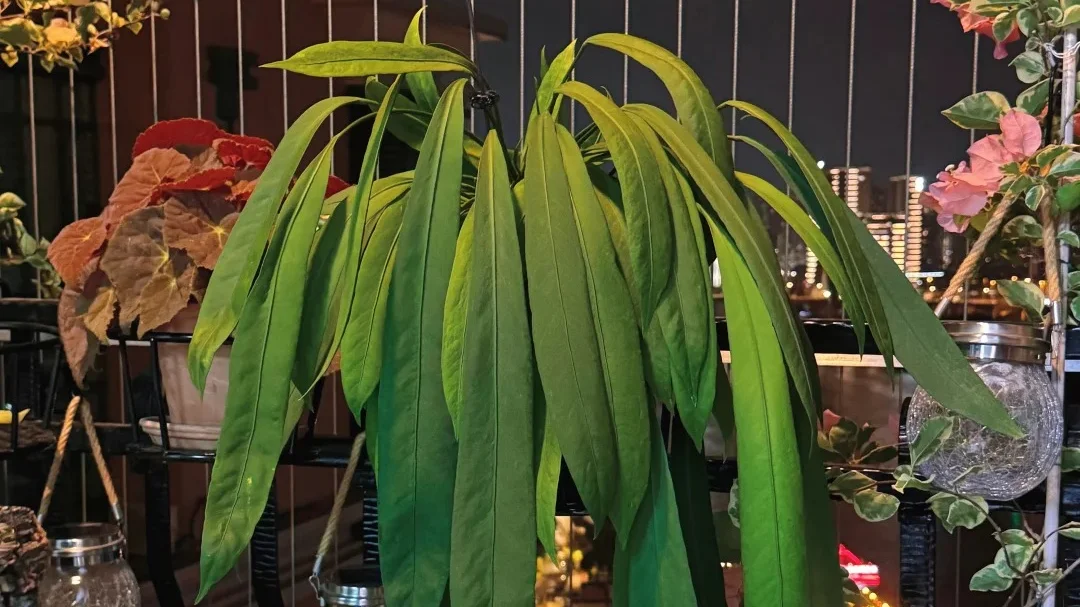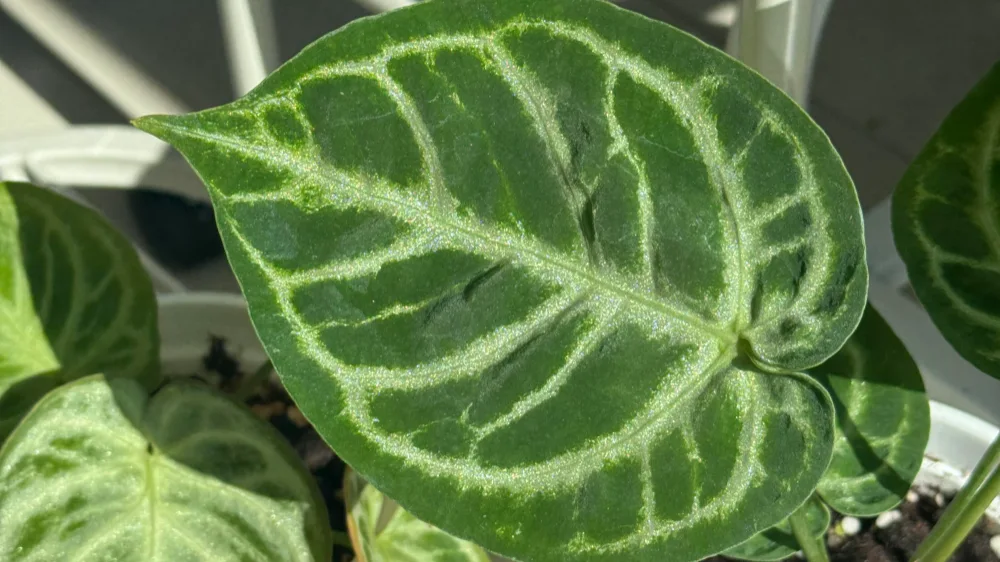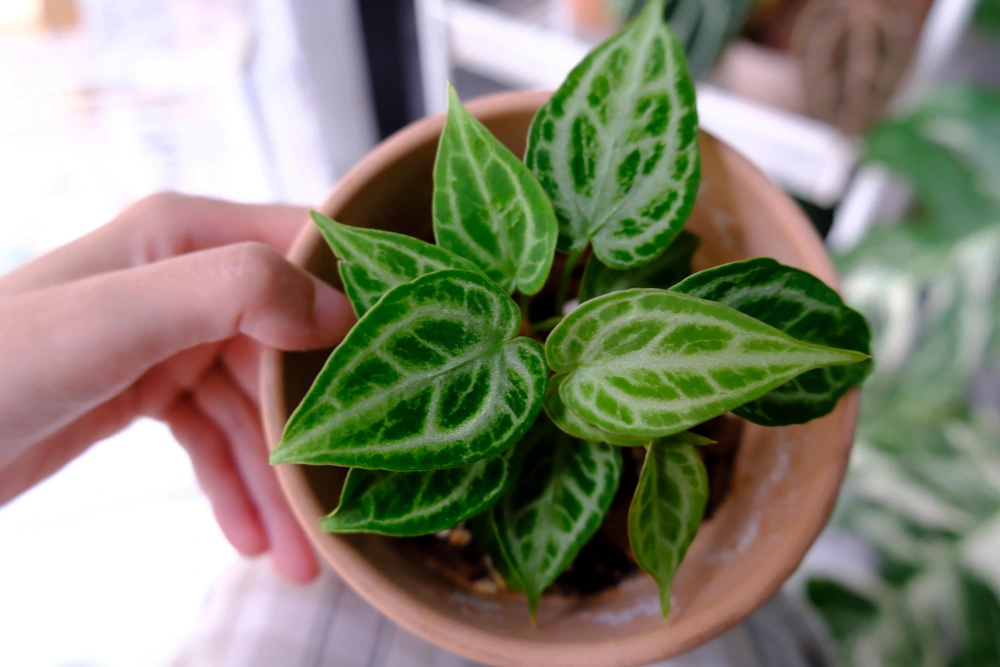
Drooping used to make me panic faster than almost any other Anthurium problem. A yellow leaf can at least take its time. Brown or yellow spots usually give you something more specific to study. But a drooping Anthurium feels urgent. One day it looks normal, and the next day the leaves are soft, the petioles are sagging, or the whole plant suddenly looks like it has lost its strength.
What made this symptom so confusing for me was how easy it was to misread. More than once, I saw drooping and immediately assumed the plant needed water. But over time, I realized Anthuriums can droop for very different reasons. Sometimes the air is too dry. Sometimes the soil is wet but the roots are no longer working comfortably. Sometimes the mix has become too heavy, or the temperature has dropped enough to slow everything down. And sometimes what looks like drooping is really just the way that particular plant grows toward light.
That is why I no longer treat drooping as one single problem. What matters more to me now is what exactly is drooping, how suddenly it happened, what the soil and roots are doing, and whether the plant is still growing normally. In my experience, that tells me much more than the drooping itself.
5 Drooping Patterns That Sent Me in Completely Different Directions
One of the reasons Anthurium drooping used to confuse me so much is that it never really looked the same twice. Sometimes the leaves went soft almost overnight. Sometimes the soil was still wet, yet the plant looked thirsty anyway. Sometimes the whole thing seemed to be declining, and sometimes it turned out not to be a health problem at all, just a growth habit I did not understand yet.
These are the drooping patterns that taught me to stop treating every sagging Anthurium like the same emergency.
The Leaves Went Soft All at Once, but the Roots Still Looked Fine
One time, an Anthurium that had been growing normally suddenly developed soft, drooping leaves over just a few days. I checked the obvious things first. The roots did not look badly rotted, and the stem still seemed normal too, which made the whole thing more confusing. If the roots looked fine and the stem was not collapsing, then why did the plant suddenly look so limp?
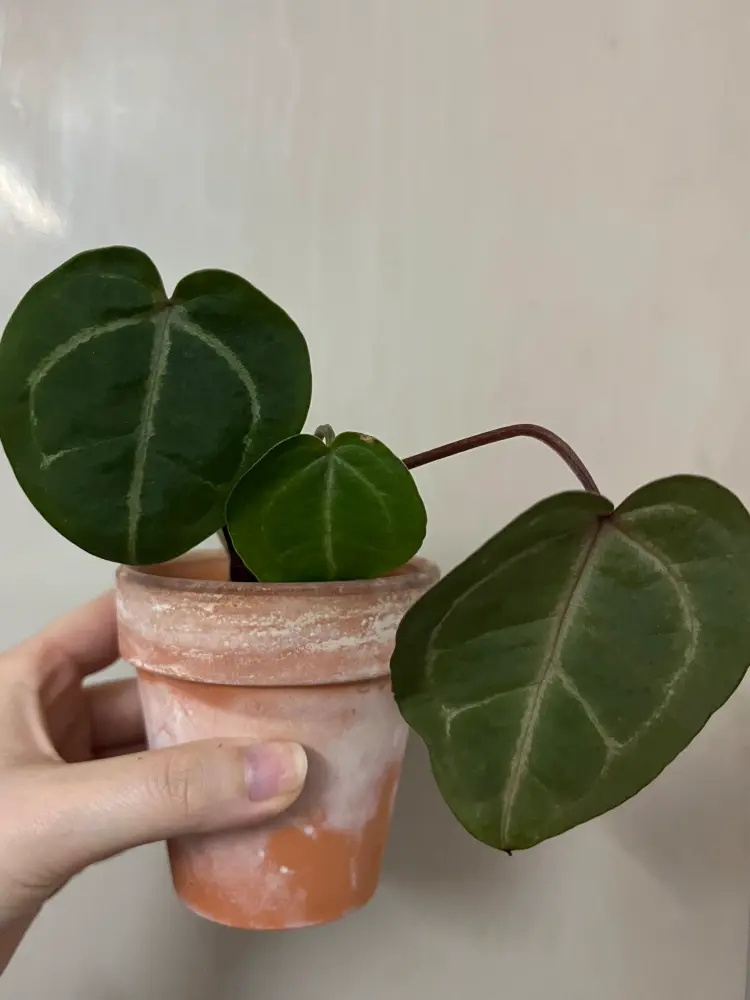
What I eventually learned from that situation was that not every soft, drooping leaf points to obvious root rot right away. In my case, dry air seemed to be part of the problem, because once the plant was given a more humid, enclosed setup, it started looking a little better quite quickly. That made me think less in terms of simple thirst and more in terms of lost leaf firmness.
It also made me more suspicious of the root zone, even when the roots do not look dramatically bad at first glance. A pot can hold onto salts, stay unevenly wet, or gradually make the roots less comfortable long before the damage looks obvious. That was one of the first times I realized a drooping Anthurium can look thirsty even when the answer is not as simple as adding more water.
What helped most was not treating it like a simple watering problem. Once I focused more on humidity, root comfort, and overall conditions rather than just whether the plant was “wet enough,” the situation made more sense. That was one of the first times I realized a drooping Anthurium can look thirsty even when the answer is not as simple as adding more water.
Some Anthuriums Lean Because of the Way They Grow, Not Because They’re Failing
Another thing that used to bother me was seeing certain Anthuriums grow more sideways than upright. I wanted the leaves and petioles to rise cleanly from the pot, but some plants kept leaning or stretching toward one side instead.
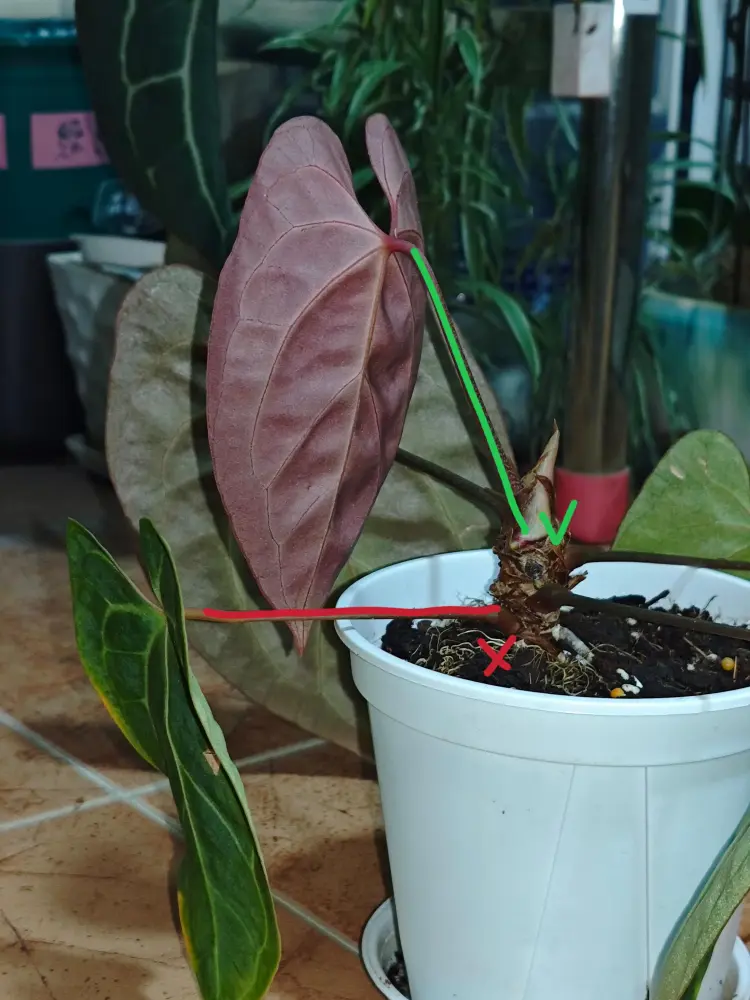
At first, I kept reading that as a sign that something must be wrong. But over time, I noticed two things. First, leaf position is influenced by light direction much more than I had realized. If one side of the plant always faces the window, the whole plant can gradually pull that way. Rotating the pot helped somewhat. Second, even under the same care, some Anthuriums simply grow with a different posture from others.
That experience mattered because it taught me not to confuse “leaning” with “collapsing.” A plant growing off to one side because of phototropism or growth habit is not the same thing as a plant whose leaves have gone soft and lifeless. Once I separated those two ideas, I stopped overreacting to healthy plants that were simply growing in their own way.
The Soil Was Wet, but the Plant Was Still Acting Thirsty
I once had an Anthurium droop so suddenly that I assumed it needed water straight away. I watered it, went out for the day, and came back expecting it to perk up. It had not. The plant still looked soft and unhappy, even though the soil was already moist.
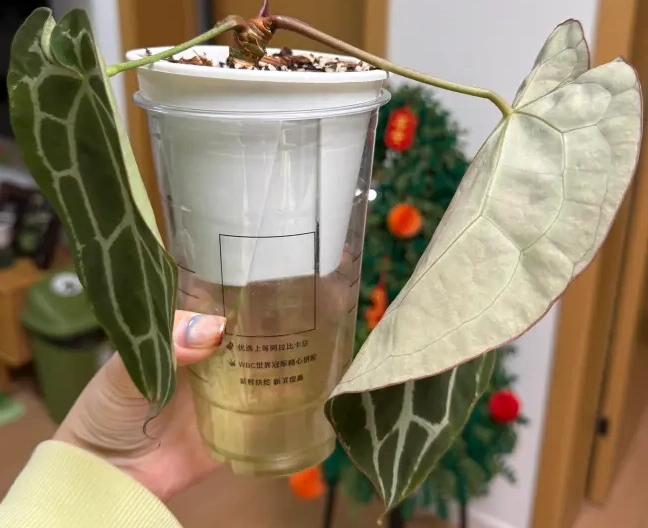
A friend pointed out something that ended up being very useful to me later on: sometimes the potting mix is wet, but the plant is still behaving as if it is dry because the roots are not taking up water properly. That can happen when temperatures are too low, when the root zone is struggling, or when the mix is holding moisture in a way that is not actually helping the plant.
That case taught me that wet soil and a thirsty-looking Anthurium can exist at the same time. When I see that now, I stop assuming surface moisture tells the whole story when watering Anthuriums indoors. I start thinking more carefully about root function, temperature, and whether the plant is actually able to use the water that is sitting in the pot.
A Plant Can Look Watered Enough and Still Be Heading Toward Root Stress
One Anthurium I had looked as though it should have been perfectly fine on paper. It had been cared for consistently for months, the humidity in the room did not seem unusually low, and it was not sitting bone dry. But the leaves started drooping anyway, and the whole plant gradually looked worse.
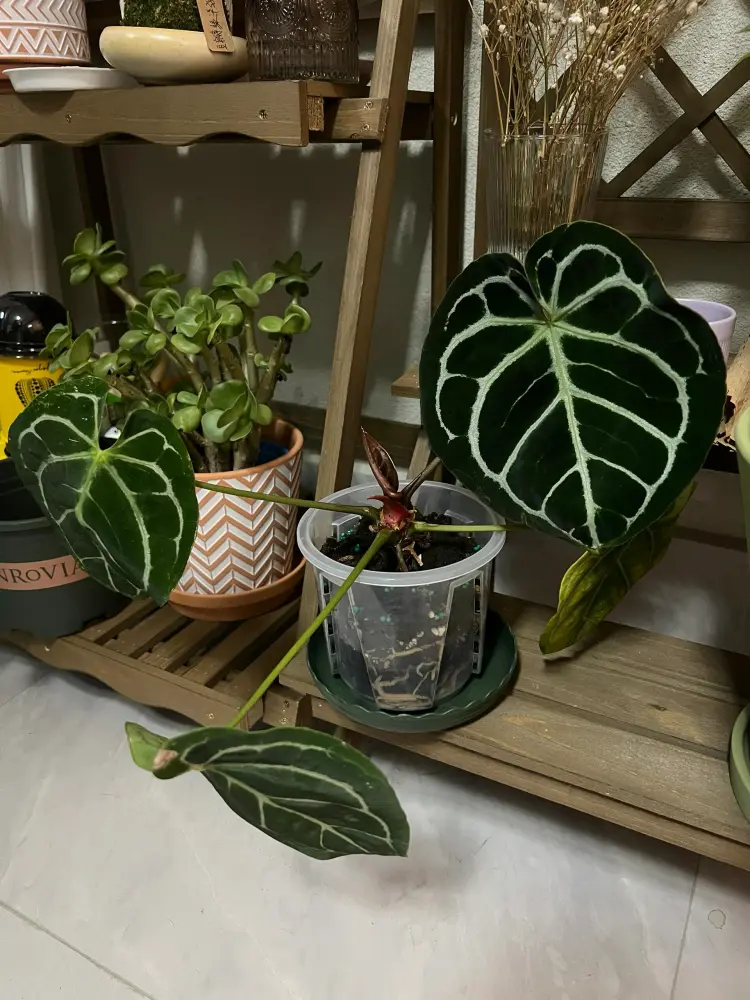
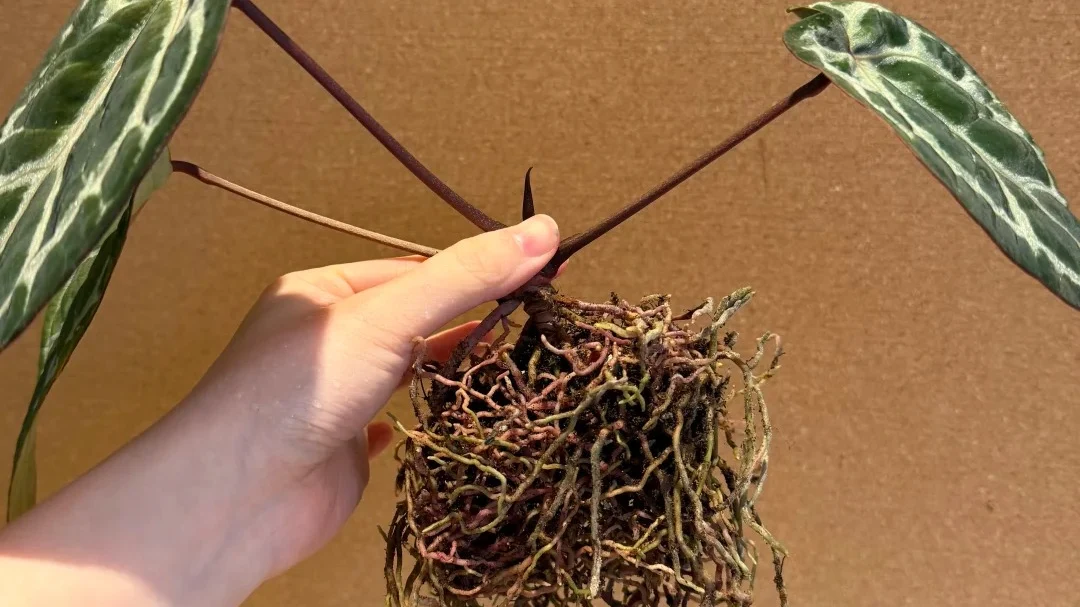
The deeper issue turned out to be the root zone. The mix had too much peat and not enough chunky material, which meant it stayed too heavy and too airless for too long. That kind of setup can wear an Anthurium down slowly, especially once temperatures drop. The plant still gets watered, and the humidity may look acceptable, but the roots are sitting in a cold, dense situation they do not really tolerate well.
That experience changed how I think about “enough water.” Anthuriums do like steady moisture, but that does not mean they like a heavy, compacted, soggy mix. A plant can be watered regularly and still be drifting toward root stress if the medium is too dense, too cold, or too slow to dry. Once I started looking at drooping through that lens, a lot of confusing cases made more sense.
Once the Stem Felt Soft Too, I Took It Much More Seriously
The most unsettling kind of drooping I have seen was when the plant looked normal one day, and then the next day the leaves and petioles had gone limp while the stem itself also started feeling soft. The potting mix was only slightly moist, the roots did not yet look dramatically rotten, and at first I still wondered whether it was some strange watering issue. But once the stem was involved too, the whole situation felt different.
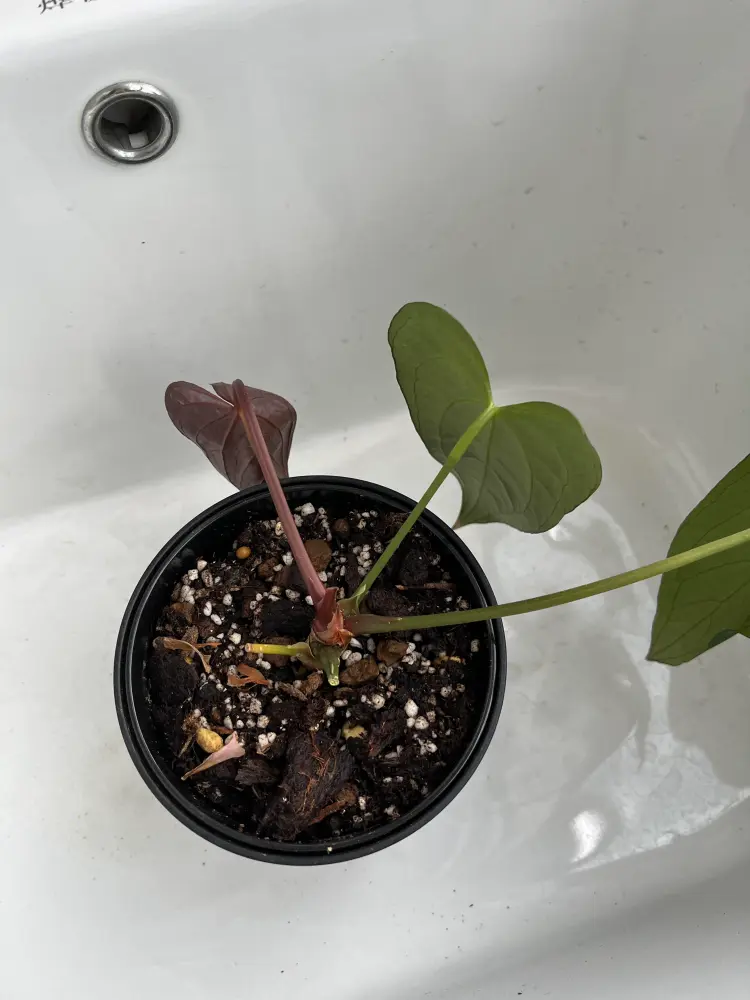
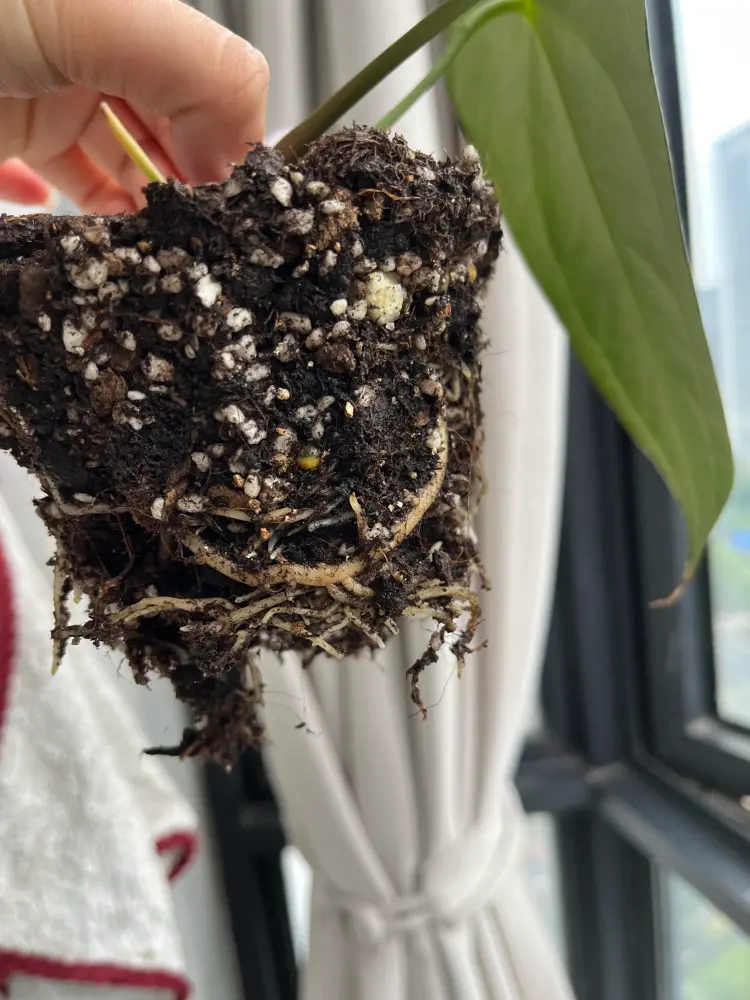
But that kind of drooping feels different. Once the stem itself starts softening, I stop thinking about ordinary thirst altogether. By that point, I am much more concerned that the root zone or stem base is already beginning to fail, even if the damage is not fully obvious yet.
That was the case that really taught me not to wait too long when the structure of the plant starts giving way. Leaves alone can droop for several reasons. But when the stem softens too, I see it as a much more serious sign that something below the surface is already going wrong.
The Clues That Change How I Read a Drooping Anthurium
At this point, when an Anthurium droops, I do not ask only one question anymore. I do not just ask, “Does it need water?” I try to work out what exactly is soft, how the pot actually feels below the surface, whether the plant is still growing, and whether I am looking at a structural problem or just a plant leaning in the direction of light.
The first thing I pay attention to is what part of the plant has lost firmness. Sometimes it is mainly the leaf blade that feels limp. Sometimes the petiole is what starts sagging. And sometimes the stem itself begins to soften, which immediately makes me take the situation more seriously. Those are not all the same kind of drooping, and I have learned not to treat them as if they were.
I also care much more now about how wet the mix really is, not just whether the top looks moist. A pot can feel slightly damp at the surface while staying much wetter deeper down, especially in a heavier mix. And the opposite can happen too: the surface may look fine, but the root zone may already be drying unevenly. That is why I no longer trust a quick glance at the top of the pot. I want to know what the roots are actually sitting in.
Another thing that changes how I read drooping is whether the plant is still moving forward. If it is still producing new leaves and the overall structure feels strong, I worry less. But if it has been sitting still for a long time, not pushing new growth, and now starts drooping as well, I begin to think about root stress much earlier.
I also look at what changed recently, because drooping often makes more sense in context than in isolation. A drop in temperature, a stretch of hotter and drier air, a heavier watering than usual, a pot that stayed wet for too long, or even just a stale period with poor airflow can all change how I interpret the same visual symptom.
And finally, I try to separate leaning from collapsing. A plant that has gradually angled itself toward light is very different from one that has suddenly gone soft and lost tension. One may just need a rotated pot or a different light setup. The other may be telling me that the roots, the stem, or the growing conditions are no longer working in its favor.
Once I started reading drooping this way, it stopped feeling like one simple symptom. The useful part is not the word itself, but what is soft, how wet the root zone really is, whether the plant is still growing, and what changed before the drooping began.
What I Try First Depends on What Still Looks Healthy
If the roots and stem still seem structurally okay, I usually start by stabilizing the environment rather than doing anything drastic. That might mean moving the plant into gentler light, keeping the temperature steadier, and raising humidity a little if the air has been dry. In cases like that, I want to see whether the plant can regain some firmness before I treat it like a rescue situation.
If the soil is wet and the plant still droops, I stop assuming water is the answer. That is usually the point where I start thinking about root function, temperature, and whether the mix is staying too dense or too cold for too long. A drooping Anthurium in wet soil often tells me more about the root zone than about thirst, so I would rather investigate the pot and roots than keep adding moisture to an already uncomfortable setup.
If the stem softens too, I treat it as a more urgent root-zone problem. At that point, I am no longer dealing with a plant that simply looks a little limp. Softening in the stem makes me think the problem has moved beyond ordinary stress and into something more structural, even if the roots do not yet look dramatically rotten. That is when I become much quicker to inspect below the soil and much less willing to wait and hope it resolves on its own.
Not Every Drooping Anthurium Is Collapsing
At this point, I try not to react to the word drooping by itself. What matters more is the pattern behind it — what is soft, what is still firm, what the roots are sitting in, whether the plant is still growing, and what changed before the drooping began. In other words, drooping matters less as a word than as a pattern.
FAQ
Still unsure what your Anthurium is trying to tell you?
Drooping is only one part of the picture. If your Anthurium is also yellowing, browning, stalling, or showing root trouble, I’ve put together the most common Anthurium problems I’ve run into indoors — and what actually helped in each case.
Go to Problems Hub →